

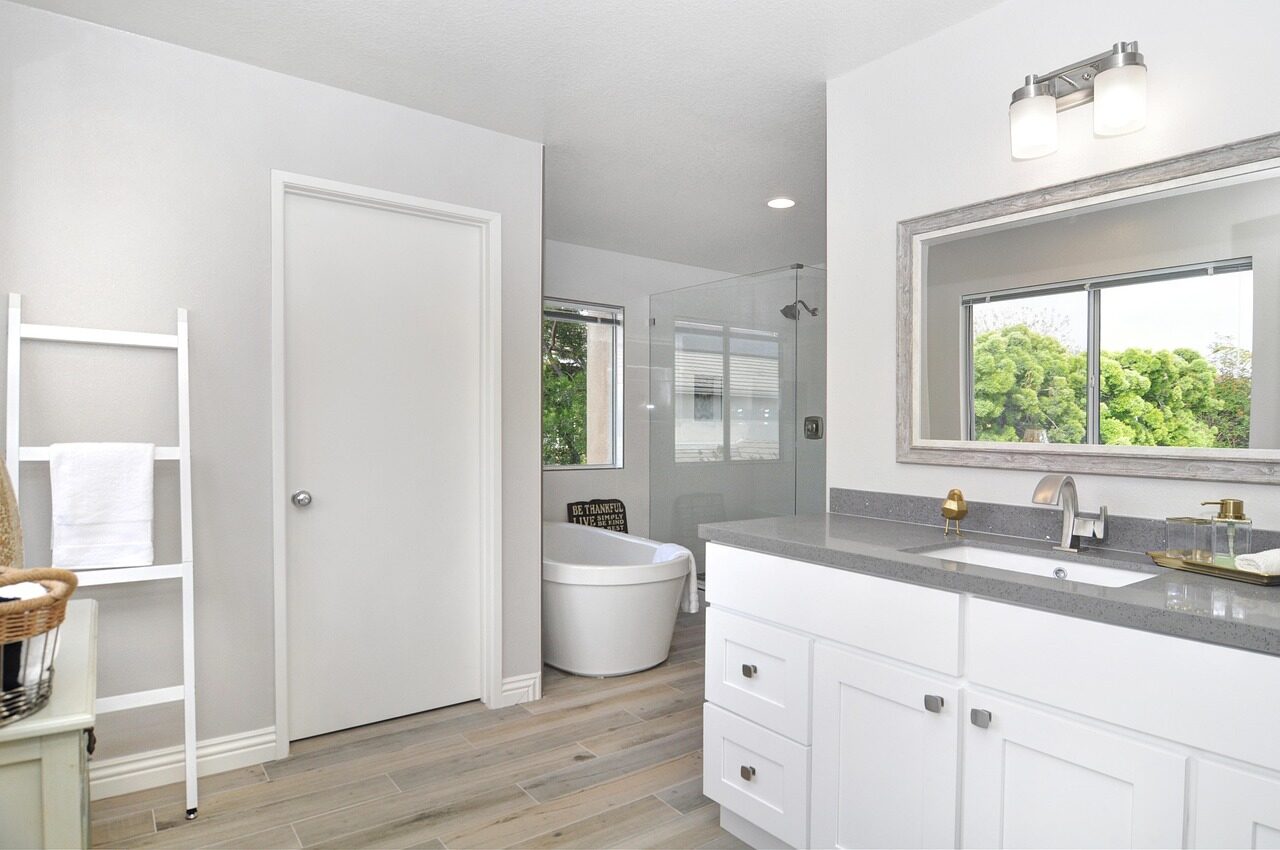
You’re done picking out high-end tile, a modern vanity, and premium fixtures for your bathroom remodel when a strange, musty scent assaults your nostrils. It’s one of the job’s most frequently overlooked factors: mold.
Mold is a natural phenomena that predates mankind. It’s also a persistent issue that thrives specifically in moist environments. When that moisture meets the proteins found in many common building materials, they give birth to mold. That’s why bathroom mold prevention is important in any related remodeling job.
Without moisture management and ventilation, a freshly remodeled bathroom can become a breeding ground. Thus, understanding the biology behind mold and what goes into remediation keeps your personal oasis healthy and structurally sound.
Quick Answer: How Do You Prevent Mold After a Bathroom Remodel?
Preventing mold after a bathroom remodel requires proper ventilation, moisture mapping during demolition, condensation-resistant materials, and plumbing installed to code. Bathroom fans must be properly sized to remove humid air, hidden moisture must be fully dried before rebuilding, and all plumbing connections should be tested to eliminate slow leaks that cause mold growth.
Why Mold Grows So Fast in Newly Remodeled Bathrooms
Mold doesn’t just pop into existence by chance. When certain conditions are met, it’s a bilogical certainty. When moisture from steam, leaks, or high humidity meets proteins in materials like drywall, wood, or insulation, it grows.
So, the first step in bathroom mold prevention in keeping the humidity levels below 5o%. That’ll take a conscious effort in a room where your family bathes and showers every day. But if that moisture sticks around, it penetrates porous surfaces. It’s giving mold the food it needs to fester.
The risk is actually higher immediately following a remodel if the home’s “envelope” has been tightened for energy efficiency.
While features like fiberglass or vinyl window frames provide excellent insulation and durability, a more airtight bathroom is better at trapping humid air than an older, draftier space.
This makes active ventilation and moisture control the most important “insurance policy” for your project.
Allergenic vs. Toxic Black Mold: What Homeowners Need to Know
Not all mold is created equal, but all mold is a health concern. Professionals generally categorize these growths into two groups:
- Allergenic Molds: These are common varieties that primarily affect individuals who already have specific sensitivities or allergies to mold. While they may cause respiratory irritation or discomfort, they’re usually less of a concern for the general population.
- Toxic or Black Mold: These molds produce mycotoxins, which are far more dangerous. Unlike allergenic varieties, toxic mold affects everyone regardless of pre-existing conditions.
Exposure to either type of mold is unhealthy, but long-term exposure to toxic mold is a serious medical concern. It’s particularly dangerous for vulnerable populations like childre, the elderly, or people with compromised immune systems.
That’s why improving your indoor air quality via mold prevention goes beyond simple aesthetics. It’s about protecting the people in your home. Letting a mold infestation proliferate can drag down your indoor air quality. When that happens, it can cause respiratory irritation, especially in a tightly sealed remodeled bathroom.
Moisture Mapping During Bathroom Demolition: The Step Most Homeowners Miss
Sealing up the walls without making sure the sub-structure is dry is one of the biggest bathroom remodel mistakes you can make. If you’re replacing a shower or tub due to a leak, just removing the visible mold won’t cut it.
It’s vital to perform moisture mapping during the “demo phase.” It’s a simple process used to detect hidden water inside walls and subfloors before rebuilding begins.
Professional remediators use this technique to prevent trapping moisture behind new tile or drywall.
This process involves:
- Using specialized technology to detect trapped moisture within subfloors and wall cavities that is not visible to the naked eye.
- Creating a specific “scope of work” to make sure that the root cause of the moisture is eliminated.
- Performing water extraction or “dry outs” to ensure that new materials are being installed on a completely dry foundation.
A small hidden leak behind tile can proliferate into thousands of dollars in structural repairs within just a few years. If you suspect hidden moisture during your demolition, you should consult an expert to handle the situation efficiently and cost-effectively before proceeding.
How Proper Bathroom Ventilation and Condensation Control Prevent Mold
With the moisture identified, it’s time to shift focus to preventing future growth. How do you do that? With a combination of high-quality ventilation and materials that resist water build-up.
Why a High-Capacity Bathroom Exhaust Fan Is Critical After a Remodel
Modern bathroom fans remove odors, sure. But they also play a huge role in controlling humidity and protecting the building materials. A properly sized bathroom exhaust fan should move at least one cubic foot of air per minute (CFM). Any less and you’re lacking on the humidity control front. You also want to make sure to run the fan during and after every shower.
A professional electrical partner can help you select a bathroom exhaust fan with the appropriate CFM rating. That goes a long way in mold prevention and long-term moisture management. Keeping the air moving keeps the surfaces dry, which in turn prevents mold growth in the first place.
Early warning signs of hidden mold include musty odors, peeling paint, bubbling drywall, or soft spots near fixtures. These symptoms often indicate hidden mold developing behind tile, inside wall cavities, or beneath flooring where moisture has been trapped.
What Is Condensation Resistance (CR) and Why It Matters in Bathroom Windows
Moisture tends to collect in bathroom windows and skylights. Thus, check the Condensation Resistance (CR) rating on any glass you install in the bathroom. It measures how well a window resists interior moisture buildup.
When shopping for energy-efficient windows, look at the NFRC label. Most people focus on the U-factor or Solar Heat Gain Coefficient, but you should pay close attention to the CR rating.
- The CR rating is scored on a scale from 0 to 100.
- The higher the number, the more effective the window is at resisting water build-up.
- Higher CR ratings mean less moisture will sit on your frames and sills, significantly reducing the risk of mold growth around your window openings.
How Proper Plumbing Installation Prevents Hidden Bathroom Mold
Finally, the most common cause of post-remodel mold is a slow, hidden plumbing leak. Always make sure your new system meets the National Standard Plumbing Code (NSPC). If it doesn’t, the safety, structural integrity, and health of your household are at risk.
The NSPC provides a modern framework for the proper installation of plumbing systems to protect health and promote safety.
Working with a licensed Master Plumber ensures that:
- Water, gas, and sewer line connections are meticulously inspected for integrity.
- Fixtures are installed as “artisans” who take pride in their work, ensuring that even the “unseen” parts of your plumbing are secure.
- Testing, such as backflow testing, is conducted to protect your clean water supply from contamination.
A plumber on top of the ever-changing codes and continuing education is an incredible defense against the hidden leaks that lead to catastrophic mold damage.
Bathroom Mold Prevention Checklist for Homeowners
- Keep bathroom humidity below 50 percent
- Install a properly sized bathroom exhaust fan with adequate CFM
- Ensure consistent humidity control during and after showers
- Perform moisture mapping before closing walls
- Choose windows with high Condensation Resistance ratings
- Ensure plumbing meets NSPC standards
- Watch for early signs like musty smells or peeling paint
- Address moisture immediately to prevent costly structural repairs
Protect Your Bathroom Remodel from Mold Before It Starts
A successful bathroom remodel is one that looks as good in ten years as it does on the day of completion. It won’t do that unless you focus on bathroom mold prevention right off the bat. Don’t settle for a contractor who wants to “paint over the problem.” Demand a thorough demo phase that includes moisture mapping.
Most importantly, invest in high-quality ventilation and materials with high condensation resistance to keep the “silent growth” at bay.
If you encounter an emergency or suspect moisture issues during your project, seek professional mold testing and remediation immediately to ensure you can “breathe easier” in your new space.
Your dream bathroom should be a retreat, not a hazard. Make sure you build it to last.
Get gorgeous projects via email
