

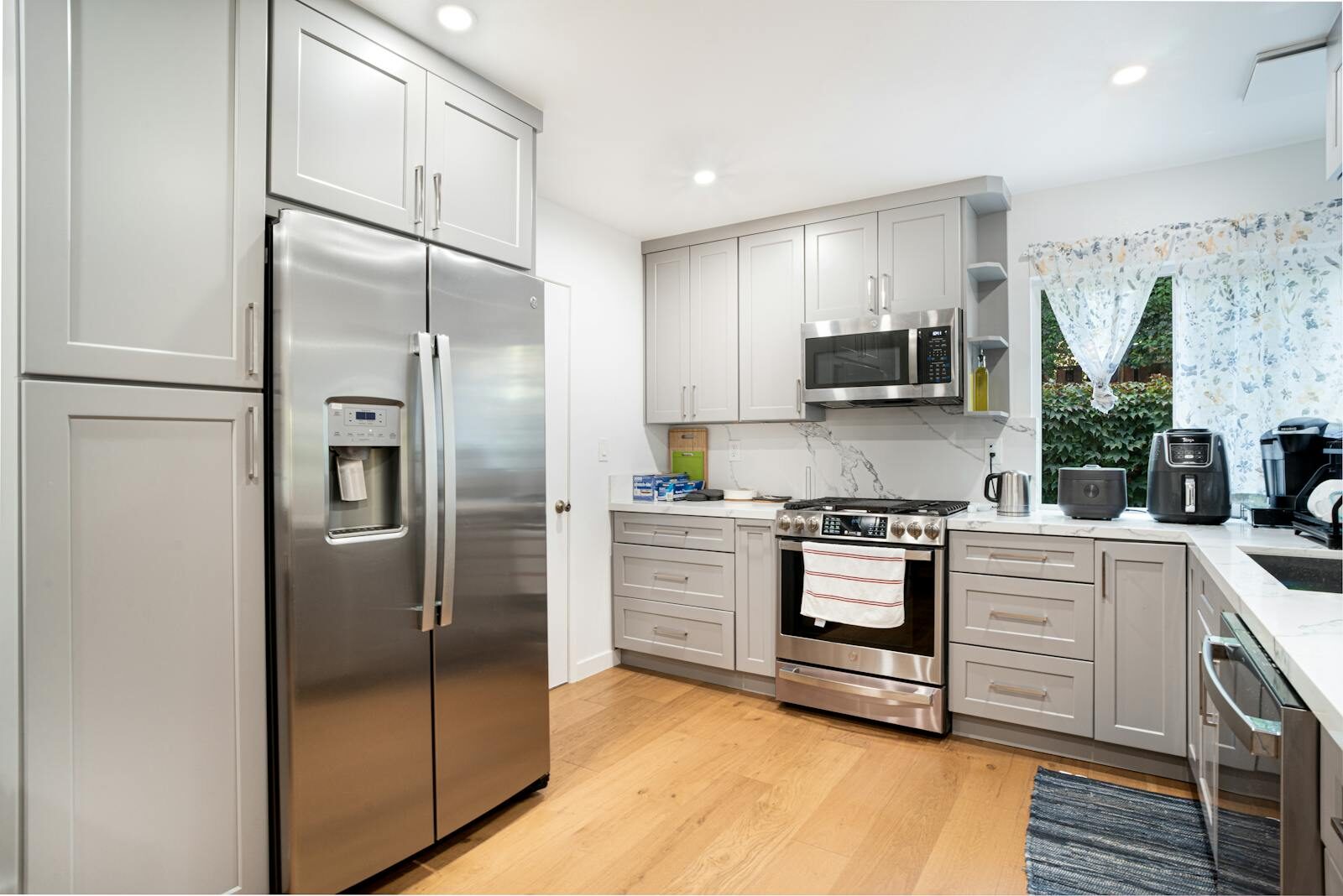
Sub-Zero refrigerators are known for precision cooling, advanced engineering, and long-term reliability. When temperature fluctuations begin to occur, however, it can be both frustrating and concerning. Even small temperature swings can affect food safety, texture, and freshness — particularly for dairy, meat, and produce.
Because Sub-Zero units are designed to maintain extremely stable temperatures, fluctuations usually signal an underlying issue that should be addressed early to prevent larger mechanical problems.
This guide explains the most common causes of temperature instability, what homeowners can safely check, and when expert service may be necessary.
Key Takeaways
- Temperature fluctuations often stem from airflow restrictions, dirty coils, worn door seals, or sensor issues.
- Sub-Zero refrigerators rely on precise airflow and temperature monitoring systems.
- Inconsistent cooling can affect food safety and increase compressor strain.
- Basic maintenance and airflow management can resolve minor issues.
- Electrical and sealed system problems require professional diagnosis.
Why Temperature Stability Matters in Sub-Zero Units
Sub-Zero refrigerators are engineered to maintain narrow temperature ranges. Many models use dual compressors or dual evaporators to regulate refrigerator and freezer compartments independently.
When temperatures fluctuate, it typically indicates disruption in airflow, sensing, or cooling efficiency rather than a total system failure.
Maintaining stable temperatures protects food quality and reduces unnecessary strain on the compressor.
Dirty Condenser Coils
Dust and debris buildup on condenser coils is one of the most common causes of temperature instability.
Many Sub-Zero units are built into cabinetry for a seamless look. While visually appealing, this design can restrict airflow if coils are not cleaned regularly.
When coils cannot release heat efficiently:
- the compressor works harder
- cooling becomes inconsistent
- energy usage increases
Tip: Always disconnect power before cleaning accessible coil areas.
Restricted Airflow Inside the Refrigerator
Sub-Zero refrigerators depend on consistent airflow to maintain even temperatures.
Air circulation may be restricted when:
- shelves are overcrowded
- vents are blocked by containers
- food items are packed tightly against rear panels
Rearranging items to allow airflow can often correct minor temperature inconsistencies.
Worn or Damaged Door Gaskets
A proper seal is essential for temperature stability. When door gaskets wear out or fail to seal tightly, warm air enters the unit and forces the cooling system to compensate.
Signs of gasket issues include:
- condensation near door edges
- increased compressor cycling
- uneven internal temperatures
Cleaning and inspecting seals regularly helps maintain airtight closure.
Malfunctioning Sensors or Thermistors
Sub-Zero refrigerators rely on sensors to monitor internal temperatures and adjust cooling output accordingly.
If a sensor provides inaccurate readings, the control system may overcool or undercool the compartment.
This can result in:
- temperature swings
- frozen food in fresh food sections
- inconsistent cooling despite normal operation
Electrical diagnostics should be performed by a qualified technician.
Defrost System Problems
If frost accumulates on evaporator coils due to defrost system failure, airflow becomes restricted.
Common signs include:
- ice buildup in freezer compartments
- warmer refrigerator sections
- inconsistent cooling performance
Because defrost systems include electrical components and internal panels, proper diagnosis requires specialized knowledge.
Fan Performance Issues
Sub-Zero refrigerators use internal fans to circulate cold air evenly.
If an evaporator or condenser fan slows down or fails:
- cold air may not distribute evenly
- warm spots may develop
- unusual noises may be heard
Fan replacement involves internal access and electrical components, making professional service advisable.
Sealed System or Compressor Concerns
Although less common, temperature fluctuations can sometimes indicate sealed system inefficiencies or compressor performance issues.
Signs may include:
- prolonged cooling cycles
- rising temperatures despite proper settings
- repeated fluctuations after maintenance
Sealed refrigeration systems are pressurized and require specialized tools and certification to service.
When to Seek Professional Service
After cleaning coils and checking airflow, ongoing fluctuations may require expert evaluation.
Consider professional diagnosis if:
- food spoils faster than expected
- frost buildup continues
- unusual fan or compressor sounds occur
- error codes appear on the display
- temperatures remain unstable
Sub-Zero refrigerators are precision appliances, and improper repairs can affect long-term performance. So, certified sub zero refrigerator repair in Atlanta becomes a must.
Preventing Future Temperature Fluctuations
Routine maintenance and mindful usage can help maintain stable cooling.
Clean condenser coils regularly.
Avoid blocking interior vents.
Inspect door seals periodically.
Limit prolonged door openings.
Allow hot foods to cool before storing.
Consistent care supports efficient operation and extends appliance lifespan.
Conclusion
Temperature fluctuations in a Sub-Zero refrigerator should never be ignored. While many issues stem from airflow restrictions or maintenance needs, others may involve sensors, fans, or defrost systems that require expert diagnosis.
By recognizing early warning signs, maintaining proper airflow, and performing routine cleaning, homeowners can protect food quality and ensure reliable cooling performance. When fluctuations persist, timely professional evaluation helps preserve the long-term efficiency and reliability these high-end appliances are designed to deliver.
FAQs
Why is my Sub-Zero refrigerator temperature fluctuating?
Temperature fluctuations usually occur when airflow, sensing, or cooling efficiency is disrupted. Common causes include dirty condenser coils that prevent proper heat release, blocked interior vents that restrict airflow, worn door seals allowing warm air to enter, malfunctioning temperature sensors, or defrost system issues that cause frost buildup. Identifying and correcting the underlying cause early helps restore stable cooling and prevents further strain on the compressor.
Are temperature fluctuations dangerous for food?
Yes. Inconsistent temperatures can allow bacteria to grow, particularly in perishable items such as dairy, meat, and leftovers. Even small temperature swings can shorten shelf life, affect texture, and reduce food safety. Maintaining a steady temperature ensures freshness, prevents spoilage, and protects household health.
Can I fix temperature fluctuations by resetting the refrigerator?
Resetting the refrigerator may clear temporary display errors or minor electronic glitches, but it will not resolve mechanical or airflow-related problems. If fluctuations continue after a reset, the issue may involve dirty coils, blocked vents, sensor inaccuracies, or frost buildup that requires inspection and corrective maintenance.
How often should condenser coils be cleaned?
Condenser coils should typically be cleaned every 6–12 months, though homes with pets, dust buildup, or enclosed cabinetry installations may require more frequent cleaning. Keeping coils free of dust allows the refrigerator to release heat efficiently, maintain consistent temperatures, and operate with lower energy consumption.
Do temperature fluctuations mean I need a replacement?
Not necessarily. Most temperature instability issues are linked to serviceable components such as fans, sensors, airflow restrictions, or maintenance needs. Replacement is usually only considered if major sealed-system components fail or the appliance is nearing the end of its lifespan. A proper diagnosis can determine the most practical and cost-effective solution.
Get gorgeous projects via email
