

Before a buyer has read a single spec sheet, model home staging art already shapes their first impression. In fact, most buyers form an emotional reaction to a space within the first few seconds of walking through. Because of this, the art on the walls plays a much bigger role in that reaction than most builders expect.
A model home without the right art can feel empty, generic, or hard to imagine living in. Fortunately, model home staging art fills that gap by helping buyers picture their own life inside the space. This emotional connection, ultimately, often influences a buying decision more than the floor plan itself.
Why Model Home Staging Art Drives Buyer Decisions
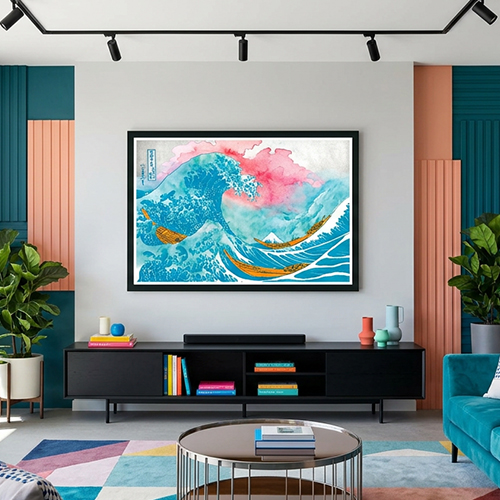
Buyers rarely walk through a model home and evaluate square footage in isolation. Instead, they picture holidays, mornings, and everyday moments happening inside that space. Model home staging art, therefore, gives those imagined moments a visual anchor throughout the home.
 Pin
PinLike this image? Find it here at Partners Art
Warm, lifestyle-driven imagery tends to perform better than abstract or purely decorative pieces in this setting. For example, a coastal landscape near a primary bedroom, or a warm still life in a dining nook, invites buyers to imagine themselves there. That emotional pull, as a result, often outweighs a buyer’s initial hesitation about price or location.
Consistency across the entire home matters just as much as individual piece selection. Specifically, a cohesive palette and consistent framing style make the home feel finished rather than staged. So, you can browse lifestyle and landscape collections built specifically for model home projects.
Choosing and Framing Art That Sells the Space
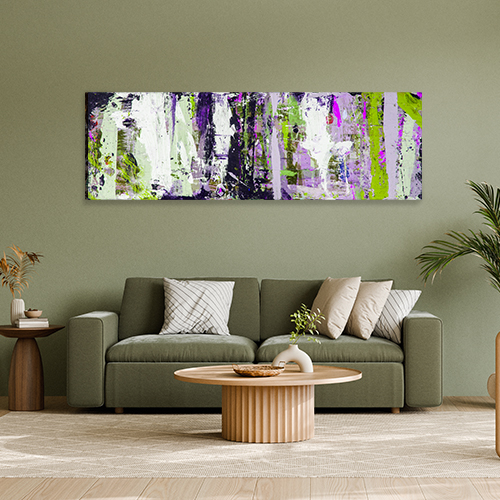
Scale should match each room’s function and size without overwhelming the furniture already in place. For instance, a large statement piece for model home staging works well in a living room, while smaller framed prints suit hallways and bedrooms. Getting this balance right, therefore, keeps every room feeling proportional and intentional.
 Pin
PinLike this image? Find it here at Partners Art
Frame choice should complement the home’s finishes rather than draw attention away from the architecture. Generally, neutral tones and clean lines tend to appeal to the widest range of potential buyers. This approach, ultimately, keeps the model home staging art supporting the sale instead of competing with it.
- Choose lifestyle and landscape imagery over abstract statement pieces
- Keep framing neutral to appeal to a broad buyer audience
- Match scale to each room’s size and furniture layout
- Maintain a steady palette across the entire home
Builders working with multiple model homes, in particular, benefit from batch framing across California properties through a single trade account. Consequently, uniform moldings and matting across several properties keep the branding experience unified.
Give Every Model Home an Emotional Edge
The right staging art turns a house into a place buyers can genuinely picture living. Ultimately, model home staging art remains one of the highest-impact, lowest-cost tools in your staging toolkit.
Partners Art & Framing supports builders and designers with curated staging collections and fast, local production. As a result, you get consistent quality across every model home in your portfolio. Create a trade account and reach out to plan your next staging project.
Get gorgeous projects via email

