

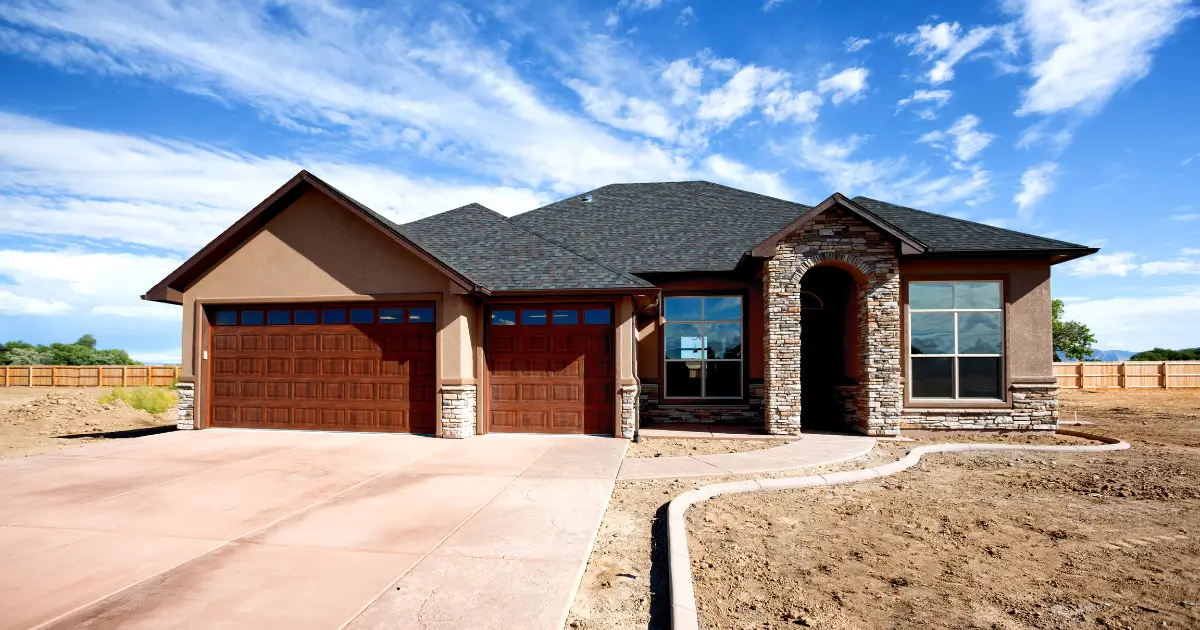
The gleaming surfaces of a freshly completed home can be deceiving. Whether you’re purchasing in Christchurch’s earthquake-conscious rebuild zone or Tauranga’s booming coastal developments, the assumption that brand-new construction equals problem-free living has cost countless Kiwi buyers dearly. At Alert Building Inspections, our team’s decades of experience across both regions reveals a consistent truth: every city has its unique building challenges, and new homes in both locations regularly harbour issues invisible to untrained eyes.
The construction boom in both centres means builders are under pressure to deliver. Christchurch’s post-earthquake rebuild created unprecedented demand, while Tauranga’s rapid population growth has pushed the building industry to its limits. Both scenarios increase the likelihood of rushed workmanship and oversights that professional inspections routinely uncover.
Regional Building Challenges: Two Cities, Different Risks
Christchurch’s rebuild brought stricter seismic standards and foundation requirements, yet we still find issues with new constructions. The Canterbury region’s soil conditions, particularly liquefaction-prone areas, demand precise foundation work and drainage solutions. We’ve inspected brand-new properties where inadequate site preparation has left homes vulnerable to settlement issues, or where drainage systems fail to account for the region’s high water table in certain suburbs.
The rebuild’s complexity means even experienced builders occasionally miss details. One recent inspection revealed improper connections between structural bracing elements in a six-month-old property, an issue that could compromise the home’s seismic performance. The builder rectified it immediately once identified, but only because our inspection caught it before settlement.
Tauranga presents different challenges entirely. The coastal environment means moisture management and corrosion resistance aren’t optional extras, they’re essential. Salt-laden air accelerates weathering of building materials and exposes poor installation practices much faster than inland locations. We regularly find inadequate weatherproofing around windows and doors, insufficient clearances between cladding and ground levels, and drainage systems that can’t cope with the Bay of Plenty’s intense rainfall events.
In one notable Tauranga inspection, a new hillside property had been built without proper consideration for water runoff. During heavy rain, stormwater was channelling directly toward the foundation instead of away from it. The issue would have caused significant damage within the first winter, but our report prompted immediate remediation before the buyers took possession.
The Master Build Warranty Doesn’t Replace Professional Eyes
Both cities see plenty of homes built under warranty schemes, yet these warranties have significant limitations. They cover major structural defects but often exclude issues deemed to result from poor maintenance or normal wear and tear. The challenge lies in proving when a defect originated, particularly if you’ve already moved in and begun making changes to the property.
Our inspections create a documented record of your home’s condition at purchase. When a Christchurch client discovered water ingress issues eighteen months after purchase, our original inspection report proved the moisture barrier had been incorrectly installed from the start. Without that documentation, the warranty claim would have been significantly harder to substantiate.
In Tauranga, the coastal conditions can blur the lines between construction defects and environmental wear. Having baseline documentation from a pre-purchase inspection helps distinguish between issues that should fall under warranty and those that don’t.
Common Defects Across Both Locations
While each city has its specific challenges, certain issues appear regularly in new builds regardless of location. Our team’s combined 150 years of experience reveals consistent patterns:
Moisture management failures top the list. In Christchurch, this often involves inadequate subfloor ventilation or improperly installed vapour barriers. The city’s temperature fluctuations create condensation risks that poor construction details exacerbate. Tauranga’s humidity and coastal exposure make moisture control even more critical. Missing or incorrectly positioned cavity closers, gaps in building wrap, and poorly sealed penetrations create pathways for water ingress that become apparent only after the first significant weather event.
Roofing issues appear in both cities but manifest differently. Christchurch homes need proper consideration of snow loading and wind uplift in exposed areas. We’ve found inadequate fixing of roofing materials and poorly detailed valleys that will leak during driven rain. Tauranga’s subtropical climate demands excellent drainage, yet we regularly encounter insufficient roof pitch on membrane systems or improperly sealed penetrations that will fail during the area’s intense downpours.
Deck and outdoor structure problems occur frequently in both locations. In Christchurch, we see inadequate bracing and fixings that won’t withstand seismic events. Tauranga decks often suffer from insufficient treatment of timber in the harsh coastal environment or poor waterproofing that allows moisture into the structural frame.
Finishing quality issues reflect the pressure builders face in both markets. Rushed completion before settlement deadlines results in inadequate caulking, poor paint coverage, incorrectly fitted fixtures, and substandard joinery installation. These might seem minor but indicate the level of care taken throughout the entire construction process.
The Code Compliance Certificate Limitation
Both Christchurch City Council and Tauranga City Council issue Code Compliance Certificates after building work meets minimum Building Code requirements. However, council inspectors visit at specific construction stages rather than examining every aspect of the finished product. They’re ensuring regulatory compliance, not assessing overall quality or checking for every possible defect.
Our role differs fundamentally. We examine the completed home as a functioning system, checking practical performance rather than simply code compliance. Does the stormwater system actually handle Tauranga’s heavy rainfall? Will the heating system adequately warm a Christchurch home during winter? Are there signs of moisture problems developing that council inspectors wouldn’t see during their stage inspections?
In a recent Christchurch inspection, we discovered that while all structural elements met seismic standards and had been signed off, the installer had left minimal clearance around some bracing connections. This technically complied with the code but left no margin for error and made future maintenance access extremely difficult. The builder agreed to modify these details before settlement, improving both functionality and long-term serviceability.
Investment Protection in Both Markets
Property prices in both Christchurch and Tauranga have risen substantially in recent years. A typical new build represents hundreds of thousands of dollars, making it likely the largest investment most buyers will ever make. The $299-$800 cost of a professional inspection is negligible compared to the tens of thousands often required to rectify undiscovered defects.
In Christchurch’s competitive market, buyers often face pressure to make quick decisions. Similarly, Tauranga’s limited housing supply creates urgency around new listings. However, rushing past a professional inspection to secure a property can prove extremely costly. We’ve assisted clients in both cities who discovered their “perfect new home” had significant issues requiring expensive repairs, issues that would have been identified in a pre-purchase inspection.
The optimal timing for inspection is after the Code Compliance Certificate has been issued but before your offer becomes unconditional. This provides leverage to negotiate repairs or price adjustments based on findings. Several clients have saved substantial sums by identifying defects that builders then rectified before settlement, maintaining the property’s value while avoiding future headaches.
What Our Inspection Process Reveals
When inspecting new homes in either city, our team applies construction knowledge accumulated over decades to assess real-world performance. We’re not simply verifying compliance; we’re evaluating how the building will function in its specific environment.
In Christchurch, this means scrutinising foundation and structural details with understanding of local soil conditions and seismic requirements. We examine insulation installation to ensure the home will be comfortable and energy-efficient during Canterbury’s cold winters. We check that ventilation systems actually work and that moisture won’t accumulate in roof spaces or subfloor areas.
Tauranga inspections focus heavily on weathertightness and durability in the coastal environment. We examine all exterior joints and penetrations, test that windows and doors seal properly, and verify that drainage systems will protect the building during heavy rain. We look for signs that materials and fixings are appropriately specified for the salt air exposure.
Both locations require checking that the numerous trades involved in construction have coordinated properly. Does the plumber’s work complement the electrician’s? Has the roofer properly integrated their work with the cladding contractor’s? Are there conflicts between different building systems that will cause problems over time?
The detailed report you receive includes photographs documenting every finding. This becomes your reference for the property’s condition, useful not just for immediate decision-making but for future warranty claims or insurance purposes.
Why Independent Assessment Matters
Construction across both cities involves human workers operating under time pressure and weather constraints. Mistakes happen regardless of location. The quality difference between acceptable workmanship and excellent craftsmanship can translate to thousands in future repair costs or reduced property value.
Christchurch buyers need to ensure their new home meets not just minimum standards but will perform reliably in the city’s seismic and climatic conditions. Tauranga purchasers require confidence that their coastal property has been built to withstand salt air and subtropical weather without premature deterioration.
In our experience across both regions, every new home benefits from professional inspection. The issues found range from minor cosmetic imperfections to significant construction defects. The question isn’t whether we’ll find something, but whether you want to discover it before or after taking ownership.
An independent building inspection provides the knowledge to negotiate effectively, protect your investment, and move forward with confidence. Whether you’re buying in Christchurch’s rebuild areas or Tauranga’s expanding suburbs, understanding exactly what you’re purchasing gives you control over one of life’s most significant financial decisions.
Get gorgeous projects via email
