

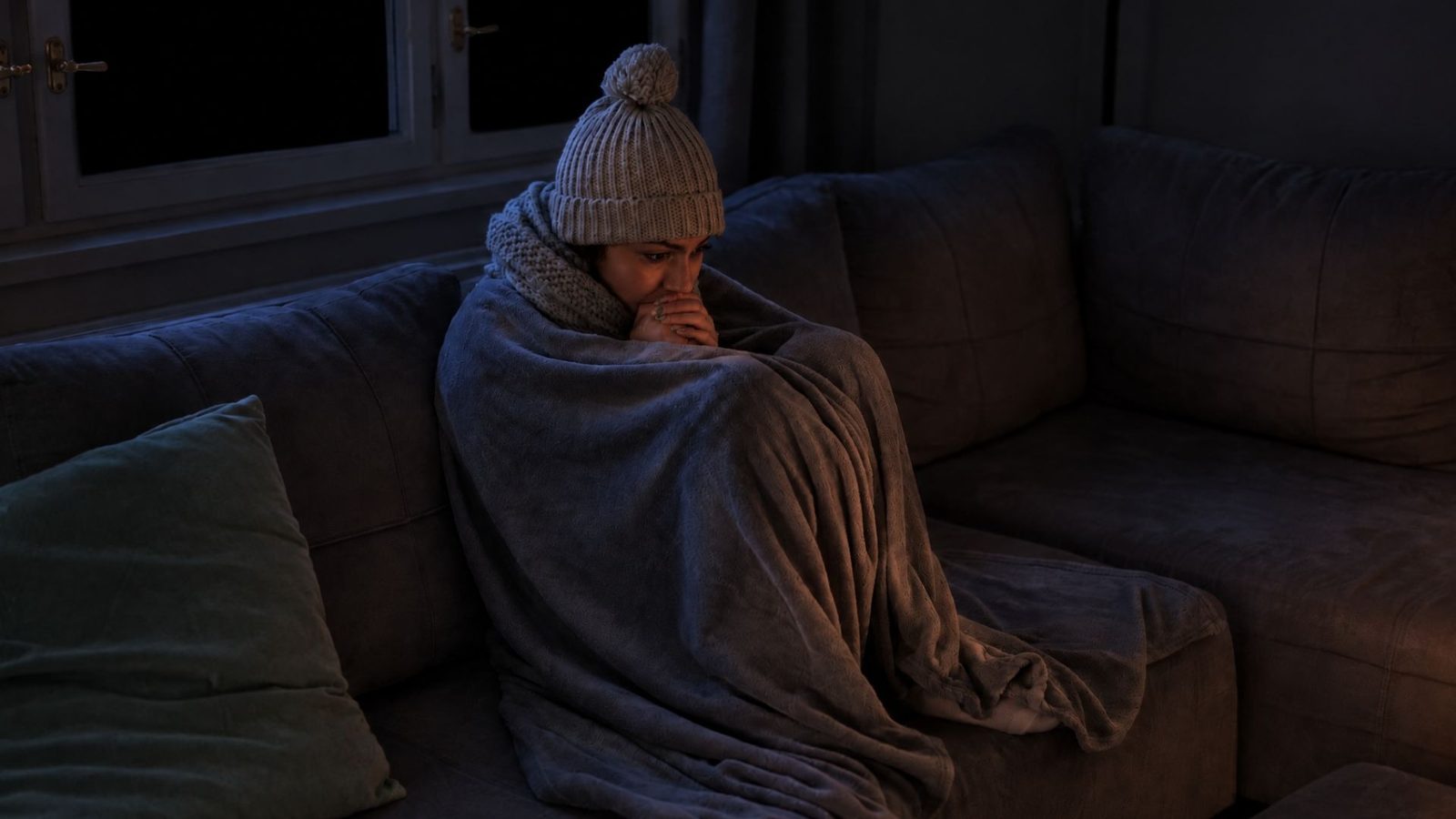
A winter outage can turn a cozy house into a cold one faster than most people expect. Once the furnace stops, indoor temperatures can drop for hours, and the longer it lasts, the more it matters that you already have a plan. The good news is that a little preparation goes a long way.
This guide covers ten practical ways to keep your household warm and safe when the lights go out.
1. Pick One Room and Shrink Your Space
Heating a whole house without power is not realistic. Choose one room, ideally a smaller one with few windows and an interior wall, and bring everyone there. A smaller space holds body heat much better than a big open living area. Close the doors to the rest of the house and keep traffic in and out to a minimum.
2. Seal the Drafts Fast
Cold air sneaks in around doors and windows, and an outage is when you notice it most. Roll up towels and set them along the bottom of exterior doors. Hang heavy blankets over windows, especially on the north side of the house. If you have painter’s tape or plastic sheeting around, a quick cover over a leaky window can make a real difference.
3. Layer Up the Smart Way
Several thin layers trap more warmth than one thick sweater. Start with a snug base layer, add a fleece or wool layer, and finish with something that blocks wind. Do not forget a hat, since a lot of heat escapes through your head, plus warm socks and gloves. Dry clothing matters too, so change out of anything damp right away.
4. Use a Fireplace Safely If You Have One
A working fireplace can be a real lifesaver in an outage, but only if it has been maintained. If your home has a wood burning fireplace, make sure the damper is fully open before you light anything, burn only dry, seasoned wood, and keep the glass doors or screen in place. Never leave a fire unattended, and keep anything flammable well back from the opening. Do not try to heat a room with a fireplace that you suspect is damaged or has not been inspected in a while.
5. Never Bring Outdoor Heat Sources Inside
This is the one that hurts people every winter. Charcoal grills, camp stoves, propane patio heaters, and gas ovens used for heat can all produce carbon monoxide, an odorless gas that is dangerous in an enclosed space. Keep every one of them outside, away from windows and doors. If you use a portable generator, run it well away from the house, never in a garage, and never near an open window.
6. Check Your Carbon Monoxide Detector
Before you rely on any alternative heat, confirm that your carbon monoxide detector has working batteries. Many are plugged in with no backup, so a power cut can leave them silent. Keep a few spare batteries in a drawer for exactly this reason. If the alarm sounds or anyone feels dizzy, headachy, or nauseated, get everyone outside and call for help.
7. Use Sunlight While You Have It
On sunny days, open the curtains on south facing windows and let the natural warmth in. Close them again as the sun drops to hold that heat inside. It will not heat a house, but it can take the edge off during the day and cut down how cold the room gets overnight.
8. Keep Your Body Fueled and Hydrated
Your body produces heat by burning energy, so eating regularly helps you stay warm. Choose foods that do not need cooking, such as nuts, peanut butter, crackers, and dried fruit. Warm drinks help if you have a safe way to make them, but even room temperature water matters. Dehydration makes it harder for your body to regulate its temperature.
9. Stay Active, but Not Sweaty
Light movement gets your blood flowing. Walk around the room, do a few stretches, or play a card game that keeps your hands busy. Just avoid working up a sweat, since damp clothing will cool you down quickly once you stop. If you do get warm, loosen a layer rather than taking it off completely.
10. Protect Your Pipes and Check on Others
A long outage can put your plumbing at risk. Open cabinet doors under sinks so warmer room air can reach the pipes, and let a faucet drip slowly if temperatures are well below freezing. Once you are settled, check on elderly neighbors, young children, and anyone with limited mobility. These groups lose heat faster and may need help sooner than you do.
Build a Simple Outage Kit Before You Need It
The easiest way to handle an outage is to prepare before one starts. A small bin kept in a closet can hold most of what you need:
- Extra blankets and a sleeping bag rated for cold weather
- Flashlights and spare batteries
- Hand warmers
- Shelf stable food and bottled water
- A battery powered or hand crank radio
- Spare carbon monoxide detector batteries
- A phone charger and a fully charged backup battery
Check the kit once each fall so the batteries are fresh and the food has not expired.
Final Thoughts
A winter power outage is stressful, but it does not have to be dangerous. Shrink your living space, block drafts, layer your clothing, and keep every fuel burning device outdoors unless it is built for indoor use. If your home has a fireplace, make sure it has been inspected and cleaned before the cold sets in so you can count on it when you need it most. A bit of planning now means a calmer, warmer night when the next storm hits.
Get gorgeous projects via email
