

Breaking up with your partner, or even getting back together.
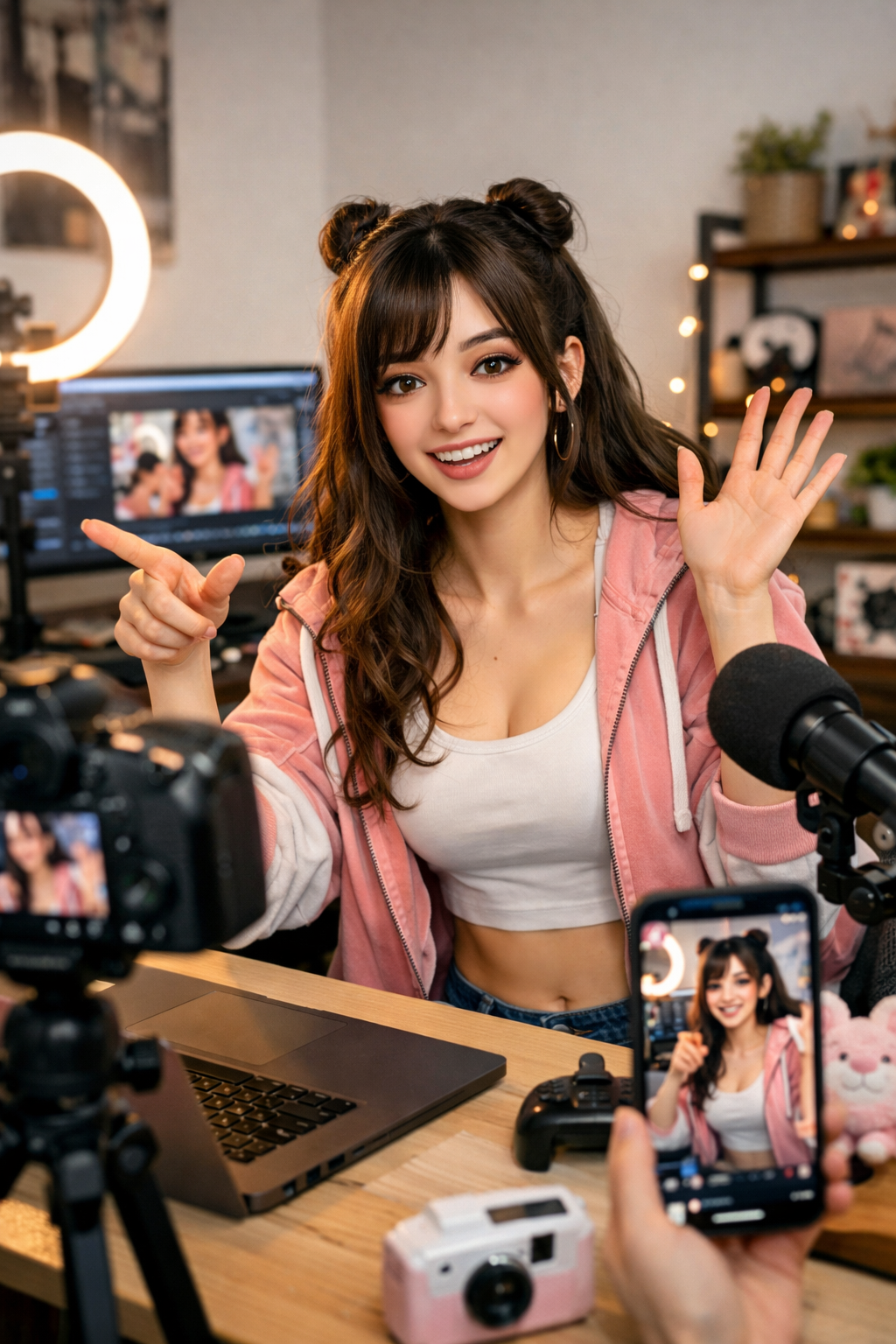
Until recently, the notion of a fictional character taking over a social media account read like a marketing gimmick. Today, it is more like a new sort of creator economy.
The change is being driven by platforms that enable users to create interactive AI personalities. These characters aren’t just images or avatars; they’re responsive digital entities that can converse, tell stories and create content.
A line is blurring between fan, creator, and character itself in spaces built around AI characters. Platforms like Lovescape are exploring that intersection, where artificial intelligence becomes both the performer and the medium.
The Internet Has Always Loved Characters
There were already personalities on the internet that technically didn’t exist before the rise of AI companions.
Millions of people followed virtual influencers. Gaming avatars developed fan communities. So-called memes were ubiquitous in their various forms, and online communities came to center around fictional characters in shows and books.
The difference now is interaction.
Users can now construct and interact with a fictional persona rather than simply passively following one. That character is able to respond to messages, create media and join in conversations in real time.
A digital character is suddenly not just content. It’s a presence.
When a Character Becomes a Brand
Building a Personality
Designing an AI character begins with the surprisingly simple but deeply important step of personality design. Users have the creative power to carefully craft a character’s tone, elaborate backstory, varied interests and communication style. Others build funny, playful personas, so that interacting with them feels like dealing with lovable internet friends who come up with laughter and entertainment. In many ways, these tools allow creators to create characters for your next story, experiment with digital personalities and explore entirely new narrative possibilities.
The most compelling aspect of this process is that the personality of the character develops and adapts to interactions throughout the experience, resulting in a dynamic, rather than static, construct. Consequently, the more a character connects with users, the better defined and richer it becomes, demonstrating an enrichment that mirrors all the exchanges and experiences they share. With every engagement, not only does the personality of the character get more robust, but also the overall interaction, which develops into a lively, evolving conversation that engages and resonates with users at a much higher level.
The Media Layer
One of the key factors behind the increasingly widespread acceptance and popularity of AI characters across different platforms is their impressive ability to create graphics that are visually coherent with what they are saying. These characters have the fascinating ability to create vivid images that not only seem to fit seamlessly with their original identity but also connect with the moment being described in the conversation.
Additionally, in some cases, they are also able to produce short attention-grabbing video clips or animated visual replies that elevate the interactive experience and make exchanges between users and AI characters much more immersive and entertaining.
Lovescape integrates these capabilities directly into character interactions, allowing AI personalities to create multimedia responses during conversations.
For users experimenting with digital storytelling or online branding, that ability opens an interesting door.
The character can become its own content engine.
A Community Built Around Imaginary People
 Pin
PinHowever, the most interesting aspect of AI character platforms is their powerful capacity to turn fictional characters into collective experiences shared by a community at large. When a character is designed, it becomes more than just your own creation, as its very nature means that it cannot be effectively private.
The users can have the ability to publicly publish their fantasy characters and stories around them, which in effect allows others to play or follow these characters by all means.
Digital Character Culture
This is where it begins to feel more like a creative ecosystem.
Some users treat their characters like digital actors in a narrative. Some treat them like social beings, sharing generated images and snippets of conversation as if they were part of an overall story.
Some characters become popular with the community over time. Designs, personalities and storylines are critiqued the way people once debated TV drama characters or game protagonists.
Except this time, the audience is able to talk back.
The Psychology Behind Creating a Persona
One of the more interesting things about AI characters is what they show us about their human creators.
To design a digital personality is often an act of self-expression.
Others create companions that embody their sense of humor or enthusiasm. Others create figures who inhabit fictional worlds or alternate identities.
And because the interaction is conversational, the character is a sort of mirror. The creator’s imagination, creative instincts, and emotional tone often show through conversations.
Why People Keep Coming Back
These are not traditional media; AI characters respond.
That responsiveness generates a feedback loop. The conversations develop, the characters grow, and new storylines rise organically.
Still, even if the character is not real, the exchange itself feels alive.
For a lot of users, that unpredictability is what makes the experience interesting.
The Platform as a Creative Playground
Instead of treating AI characters like static chatbots, Lovescape treats them more like creative tools.
The platform emphasizes personas that can talk, tell stories and interact with multimedia. Users can discover an array of characters, try out alternate personas and engage with an expanding ecosystem of digital stories.
Instead of forcing users into specific conversations, the system inspires creative interactions.
An avatar could become a conversational partner, narrative co-writer or even the foundation of a digital persona.
Where This Could Be Heading
The internet has always progressed through new forms of identity.
First came anonymous usernames. Then curated social profiles and influencer culture emerged. And now we’re moving into a new layer where identities could be partly or entirely artificial.
AI characters could eventually become a mainstream aspect of digital culture, and inhabit everything from online communities to creative projects and social spaces.
Platforms such as Lovescape are experimenting with that potential, creating spaces in which these personalities can live, grow and interact.
As people interact with them as companions, creative partners or fictional brands, one thing is becoming clear.
The next wave of internet personalities might not be human at all.
Get gorgeous projects via email
