
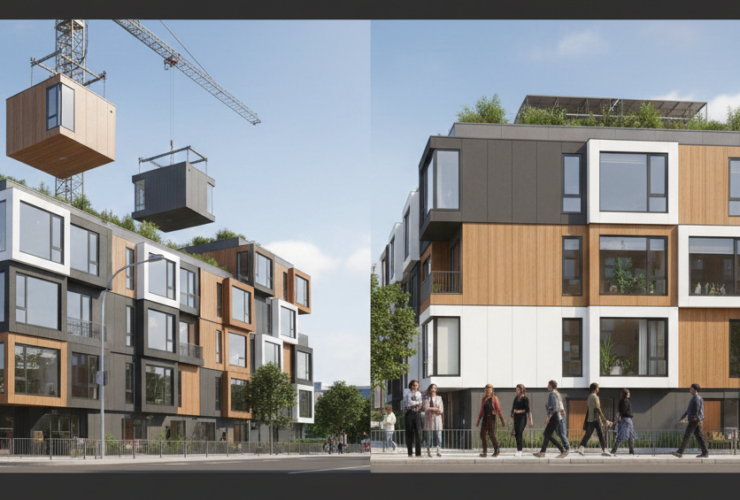

Luxury homes succeed through deep builder-designer collaboration—from pre-planning & material selection to complex millwork & field adjustments. Aligning vision, budget, & execution ensures seamless, high-quality outcomes.
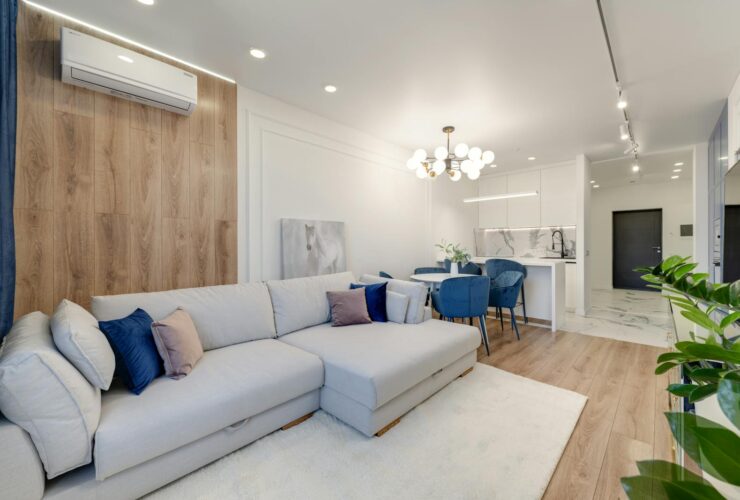
Architecture shapes air quality before HVAC turns on. Building shape, materials, and layout dictate airflow, pollutant zones, and moisture. Blend passive (natural) and mechanical ventilation. Use low-VOC materials. Healthy air starts with design.
![Featured Image [Fut. Architecture]](https://www.futuristarchitecture.com/wp-content/uploads/2025/12/Featured-Image-Fut.-Architecture-740x500.jpg)
Drain Detailer: A reusable silicone brush tool removes pipe gunk that causes clogs—not just temporary fixes. Outperforms barbed tools & harsh chemicals. Save money, reuse it, & keep sinks clear.
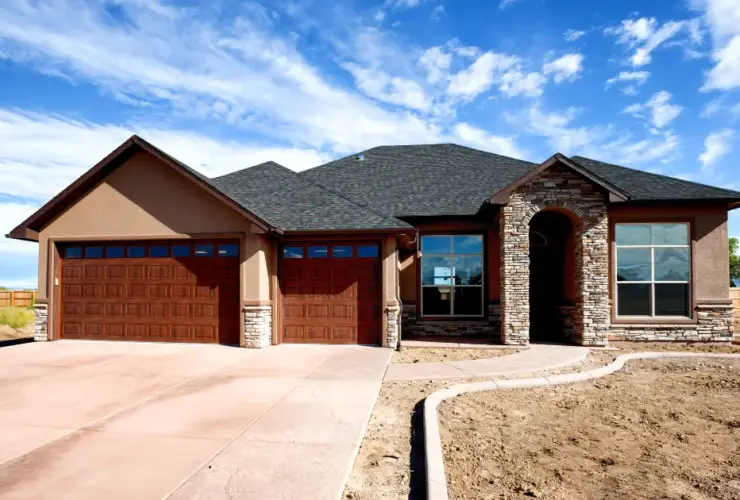
New homes in Christchurch and Tauranga often have hidden defects. Seismic bracing and drainage in Christchurch, plus moisture management in Tauranga’s coastal climate, require professional inspection by Alert Building Inspections to protect your investment before purchase.
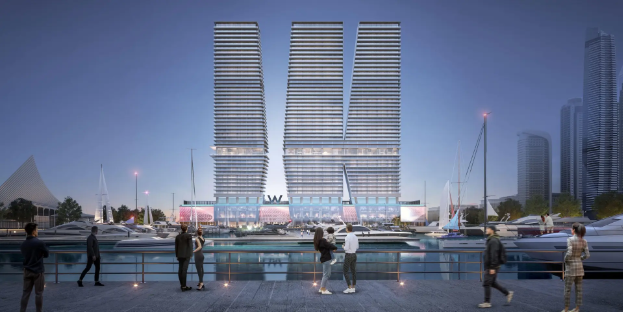
Arada's 2025 Dubai pipeline redefines luxury with branded, design-led projects. The Armani Beach Residences on Palm Jumeirah feature Tadao Ando architecture, while W Residences at Dubai Harbour offer seafront living. Akala in Za'abeel introduces precision wellness, and Jouri Hills provides golf estate villas.
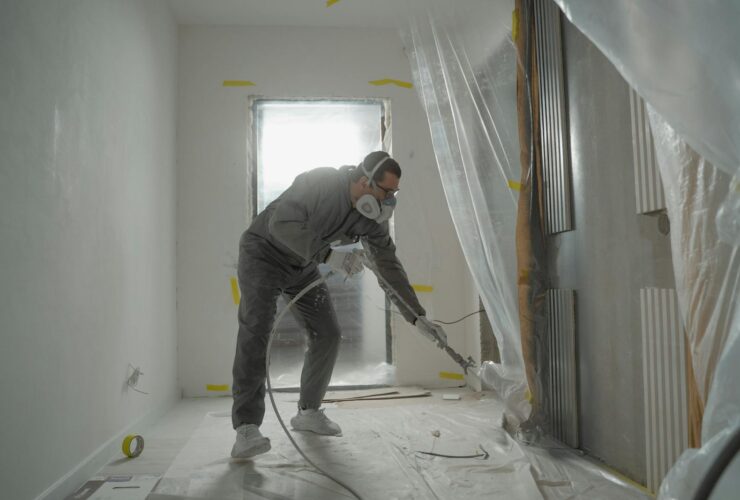
A successful home renovation requires the right tools for measuring, cutting, plumbing, and finishing. Quality tools from sources like PlumbingSell.com ensure safety, precision, and professional results, making your project efficient and long-lasting.
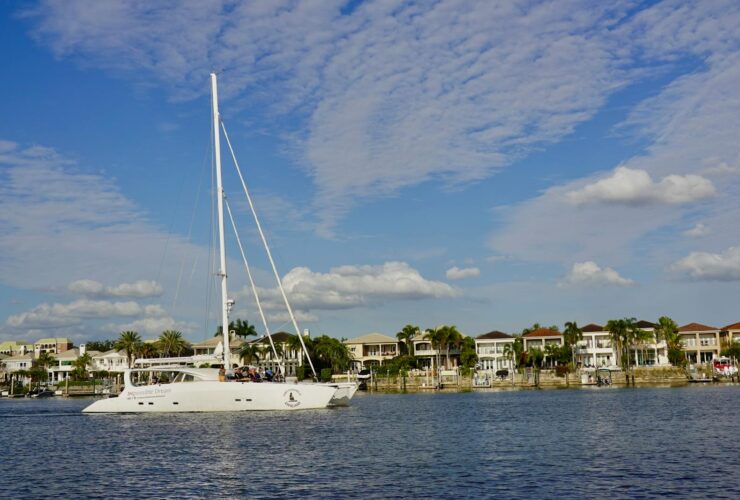
For a full home renovation in Tampa Bay, FL, selecting a professional construction company is crucial. They ensure climate-appropriate materials, improved energy efficiency, and designs tailored to your lifestyle, transforming your space with expert craftsmanship for long-term value and comfort.
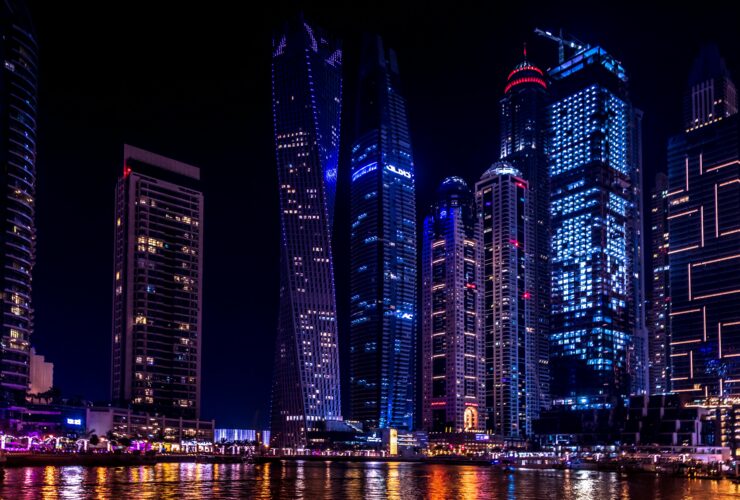
In the UAE, architecture is art. Dubai's Museum of the Future features poetic calligraphy on its toroidal form, while Abu Dhabi's Louvre creates a 'rain of light' under its starry dome. The twisting Cayan Tower and Zaha Hadid's void-pierced Opus further blur the line between structural engineering and profound artistic statement.
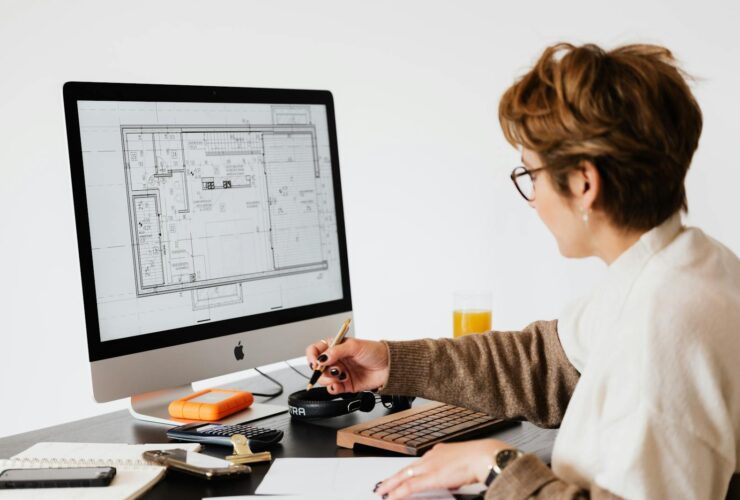
Ground-penetrating radar (GPR) lets architects see inside walls and slabs to map rebar, voids, and utilities. This non-invasive tech boosts safety, aids historic preservation, and supports sustainable reuse by preventing damage and informing precise, data-driven designs.