

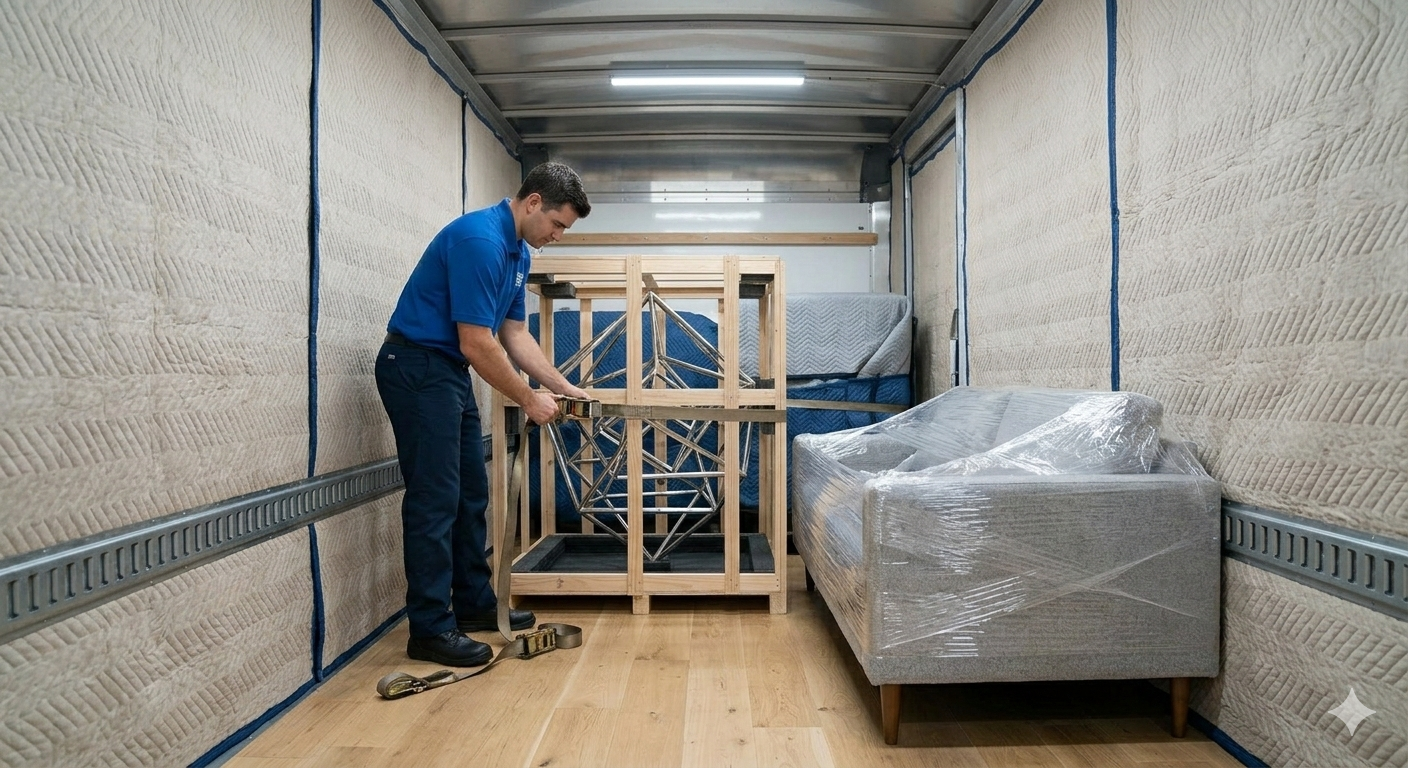
Modern homes are often designed with great attention to detail. Clean architectural lines, minimalist layouts, and carefully selected materials help create spaces that feel sophisticated and balanced. From custom cabinetry to statement lighting and premium flooring, every element in a contemporary home contributes to the overall aesthetic.
Relocating from one property to another can be exciting, but it also presents risks for delicate interior designs. Furniture can get scratched, decorative items can break, and carefully finished surfaces can suffer damage during the moving process if they are not properly protected.
Because of this, moving a modern home requires careful planning and attention to detail. Many homeowners rely on experienced movers in Raleigh who understand how to handle delicate furniture, architectural features, and interior finishes during relocation. With the right preparation and techniques, it is possible to move without compromising the beauty of your home design.
Why Modern Interior Designs Require Special Protection
Contemporary interior design often includes materials and finishes that require extra care during transportation. Unlike traditional furniture, many modern pieces feature delicate surfaces, glass elements, or custom-built structures.
For instance, glass dining tables and shelving units are visually striking but highly fragile during a move. Marble or quartz countertops can also be vulnerable to chips or cracks if they are not carefully handled. Built-in cabinetry and wall units may require professional disassembly before transportation to prevent structural damage.
Large mirrors and wall-mounted artwork are another important consideration. These decorative elements often serve as focal points in modern interiors, but they can easily break if they are not packed correctly. Designer lighting fixtures also need careful removal and secure packing because their delicate components can be damaged during transit.
Hardwood flooring or polished concrete surfaces add elegance to modern homes, yet they can easily be scratched by heavy furniture or moving equipment. These types of details make it clear that relocating a modern home requires much more care than simply transporting boxes.
Planning the Move Around Your Interior Layout
A well-organized moving plan is the foundation of protecting modern interiors. Before the packing process begins, professionals usually evaluate the home and its layout to understand the safest way to transport furniture and decorative items.
During this stage, movers carefully measure furniture dimensions to determine how large pieces will fit through doorways and hallways. They also examine entryways, staircases, and elevators to identify potential obstacles that could cause damage while moving heavy items.
Fragile architectural features are another important factor during the planning phase. For example, decorative wall panels, glass railings, or delicate staircase designs require additional protection when furniture is moved nearby.
In some situations, large furniture items must be partially disassembled to ensure safe transport. Beds, modular sofas, and shelving systems can often be taken apart and reassembled later. This approach reduces the risk of damaging both the furniture and the surrounding interior surfaces.
Creating a detailed inventory of furniture and decorative pieces also helps maintain organization during the move. This ensures that every important item is accounted for and transported safely to the new home.
Using Proper Packing Materials for Designer Interiors
Packing materials play a major role in protecting modern interiors during relocation. Basic cardboard boxes alone are rarely enough to safeguard expensive furniture or fragile decor.
Professional movers often wrap furniture with thick protective blankets to prevent scratches and surface damage. These blankets act as a cushion that protects delicate finishes while items are being carried or transported in a moving truck.
Fragile decorative items are usually wrapped with bubble wrap or foam padding to absorb shocks during transit. This is especially important for glass decor, sculptures, or decorative objects that could easily crack if exposed to impact.
Glass tabletops and mirrors require additional layers of protection. Movers typically wrap these items with multiple protective materials and secure them in reinforced containers to prevent pressure damage.
Furniture with polished wood or lacquered surfaces also requires careful wrapping. Soft padding helps prevent abrasion and preserves the original finish of the furniture during transport.
Protecting Floors, Walls, and Architectural Features
 Pin
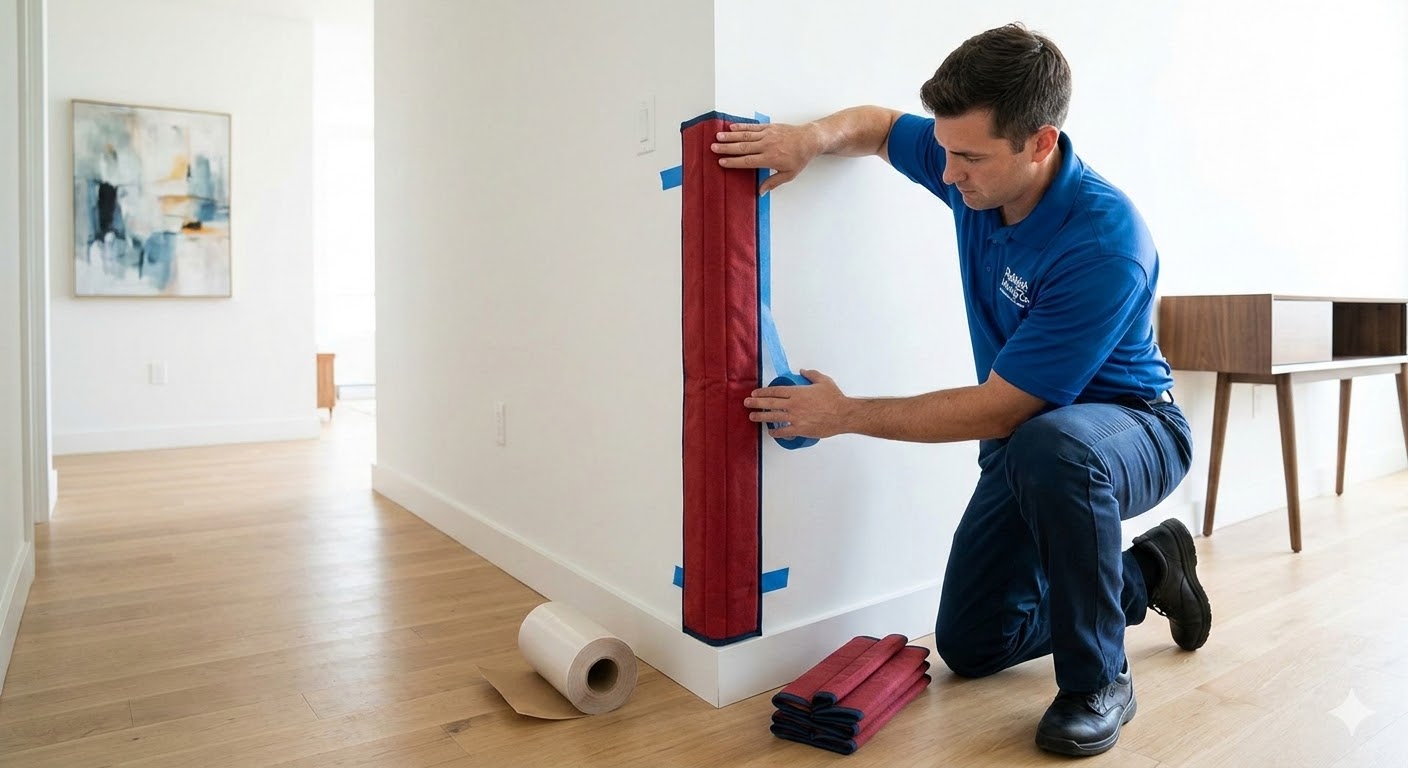
PinWhile protecting furniture is important, the structure of the home also needs attention during a move. Many modern homes feature expensive architectural details that can easily be damaged if proper precautions are not taken.
Hardwood floors, for example, can be scratched by heavy furniture or equipment. To prevent this, movers often place protective runners or floor mats along the pathways where items will be carried.
Walls and corners are also vulnerable to accidental impact. Corner guards and protective padding are commonly installed to prevent dents or scuffs while large furniture is moved through tight spaces.
Door frames and staircases can suffer damage if bulky items are moved carelessly. Protective coverings help ensure that these architectural features remain intact throughout the relocation process.
Taking these precautions is especially important when moving into a newly built or recently renovated home where surfaces are still in pristine condition.
Handling Large Furniture in Open-Concept Spaces
Modern homes frequently feature open-concept layouts that emphasize spaciousness and flexibility. While these layouts are visually appealing, they often include oversized furniture designed to complement the large spaces.
Large sectional sofas, custom dining tables, and designer shelving units can be challenging to move because of their size and weight. Navigating them through doorways or narrow hallways requires careful coordination.
Professional movers typically handle these situations by carefully disassembling furniture when necessary. Individual components can then be transported more safely without placing unnecessary stress on the structure.
Special lifting straps and equipment are often used to maintain balance and control while carrying heavy pieces. Once the furniture reaches the new home, it can be reassembled and placed according to the interior layout.
Protecting Artwork and Decorative Pieces
Artwork and decorative objects are essential components of modern interior design. Paintings, sculptures, and decorative mirrors often define the personality of a space.
Because many of these items are fragile and sometimes irreplaceable, they require specialized packing methods. Art pieces are usually wrapped in protective paper before being covered with padded materials that absorb impact.
Mirrors and framed artwork benefit from reinforced packaging that prevents bending or pressure damage during transportation. For larger or valuable pieces, custom crates may be used to provide additional protection.
These careful packing techniques help ensure that decorative elements arrive safely and maintain their original condition.
Organizing the New Space After the Move
After the moving process is complete, careful organization helps restore the visual harmony of the interior design. Proper furniture placement plays an important role in maintaining the balance of the new space.
Many moving professionals assist homeowners by placing furniture according to the planned layout. Beds, cabinets, and shelving units can be reassembled so that the home quickly becomes functional again.
Heavy furniture is positioned carefully to avoid damaging floors or walls. At the same time, packing materials are removed and disposed of so that the new space feels clean and organized.
Final Thoughts
Moving a modern home requires careful preparation and attention to detail. Contemporary interiors often include delicate materials, architectural features, and custom furniture that deserve extra protection during relocation.
By planning the move carefully, using proper packing materials, and protecting architectural elements, homeowners can significantly reduce the risk of damage. Professional handling ensures that furniture, artwork, and interior finishes remain in excellent condition throughout the moving process.
With the right approach, relocating to a new home becomes a smooth transition that preserves both the beauty and integrity of modern interior design.
Get gorgeous projects via email
