

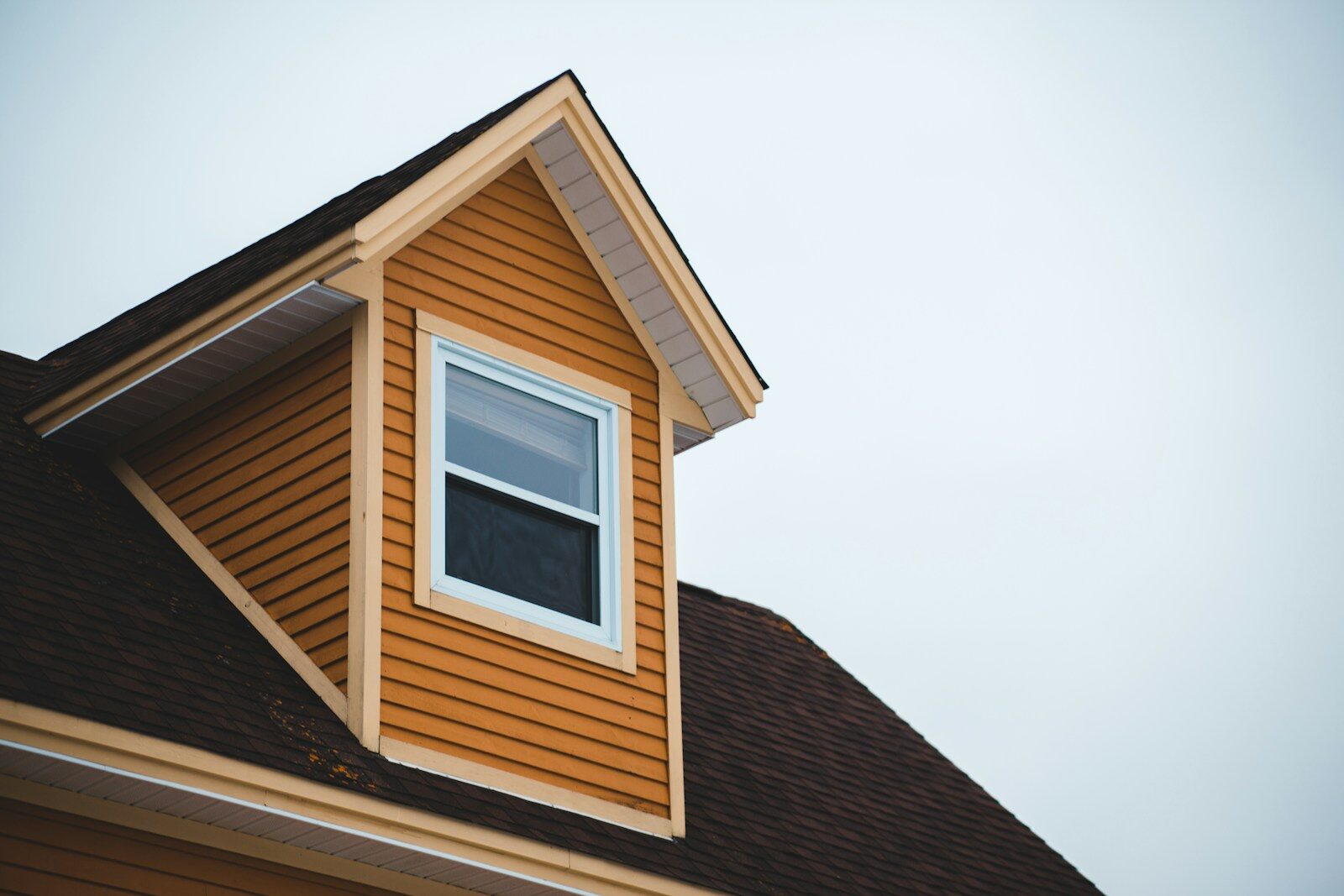
Siding plays a critical role in protecting a home’s structure from weather, moisture, and temperature changes. While many homeowners focus on the appearance of exterior materials, the quality of the siding installation process is just as important as the siding itself. When siding is improperly installed, it can lead to a range of structural issues that may affect a home’s durability, efficiency, and long-term value.
The Protective Role of Siding
Exterior siding functions as part of a building’s protective envelope. It shields walls from rain, wind, and temperature fluctuations while helping regulate moisture levels. Proper siding installation ensures that water is directed away from the home’s structure and that materials expand and contract without causing damage.
If the installation process is rushed or done incorrectly, this protective barrier can fail. Even small mistakes can allow moisture or air to enter the wall system, which can eventually cause serious structural problems.
Moisture Intrusion and Water Damage
One of the most common consequences of poor siding installation is water intrusion. Siding must be installed with proper flashing, sealing, and drainage systems so that water flows away from the structure.
If these elements are missing or improperly placed, rainwater can seep behind the siding and into the wall cavity. Over time, trapped moisture can cause wood rot, mold growth, and damage to insulation and framing. Structural wood components that remain damp for extended periods can weaken, compromising the stability of the wall system.
Warping and Material Failure
Improper installation can also lead to warping or buckling siding panels. Many siding materials expand and contract with temperature changes. If installers fail to leave the proper spacing between panels or fasten materials too tightly, the siding may begin to warp.
Warped siding not only affects a home’s appearance but can also create gaps that expose the underlying structure to wind-driven rain and pests. Once these openings form, the protective barrier provided by siding becomes significantly less effective.
Poor Ventilation and Trapped Moisture
Another issue caused by improper siding installation is inadequate ventilation behind the siding panels. Modern siding systems often rely on small air gaps that allow moisture to escape. Without proper ventilation, condensation can become trapped inside the wall system.
Over time, trapped moisture can lead to mold growth, deterioration of wall sheathing, and weakening of structural components. Maintaining proper airflow behind siding is essential for preventing long-term moisture-related damage.
Pest and Insect Entry Points
Gaps, cracks, or poorly sealed joints in siding can also create entry points for pests and insects. Small animals and insects can find their way into wall cavities through improperly installed siding panels or trim pieces. Once inside, they may damage insulation, wiring, and wood framing.
Effective siding installation includes sealing joints, aligning panels correctly, and ensuring trim pieces are properly fitted to prevent these access points.
The Importance of Precision
Siding installation is a process that requires careful planning, accurate measurements, and attention to detail. From preparing the wall surface to installing house wrap, flashing, and trim components, each step contributes to the overall performance of the siding system.
When done correctly, siding can protect a home for decades while improving energy efficiency and weather resistance. However, when installation errors occur, the long-term consequences can extend far beyond cosmetic issues.
Long-Term Protection for Your Home
Understanding the potential risks of poor siding installation highlights why proper techniques and materials are essential for protecting a home’s structure. A well-installed siding system not only enhances curb appeal but also provides long-term defense against moisture, pests, and environmental damage.
For homeowners, ensuring that siding is installed correctly helps safeguard the structural integrity of their property and prevents costly repairs in the future.
Get gorgeous projects via email
