

Ductless mini split systems are known for providing reliable heating and cooling throughout the year. Many homeowners depend on them during colder months because they are energy efficient and capable of maintaining consistent indoor temperatures. However, if your system stops producing heat, it can quickly make your home uncomfortable. Understanding the possible causes can help you identify the issue and determine when professional mini split repair may be necessary.
Incorrect Thermostat or Mode Settings
Before assuming there is a mechanical issue, it’s important to check the system settings. Mini split systems are controlled by a remote or wall controller that allows you to switch between cooling, heating, fan, and automatic modes.
If the system is set to “cool” or “fan” instead of “heat,” it will not produce warm air. Additionally, if the temperature setting is lower than the room temperature, the unit may not activate the heating function. Checking these settings and ensuring the system is set to heating mode can sometimes resolve the issue without requiring mini split repair.
Dirty Air Filters
Dirty air filters are one of the most common causes of poor heating performance. Over time, filters collect dust, dirt, and debris that can block airflow. When airflow becomes restricted, the system struggles to circulate warm air throughout the room.
In addition to reducing heating performance, clogged filters force the system to work harder, which can increase energy consumption and lead to premature wear on components. Cleaning the filters regularly—usually every one to three months—can help maintain proper airflow and reduce the need for frequent mini split repair.
Refrigerant Problems
Mini split systems rely on refrigerant to transfer heat from the outdoor air into your home. Even during cold weather, the system extracts heat from the outside environment and moves it indoors.
If refrigerant levels are low due to a leak or improper charge, the system may struggle to generate heat. Signs of refrigerant issues can include weak airflow, the unit running constantly without warming the room, or ice forming on the coils.
Because refrigerant handling requires specialized tools and training, this type of problem should always be addressed by a professional technician who can safely perform mini split repair and restore the system’s efficiency.
Outdoor Unit Issues
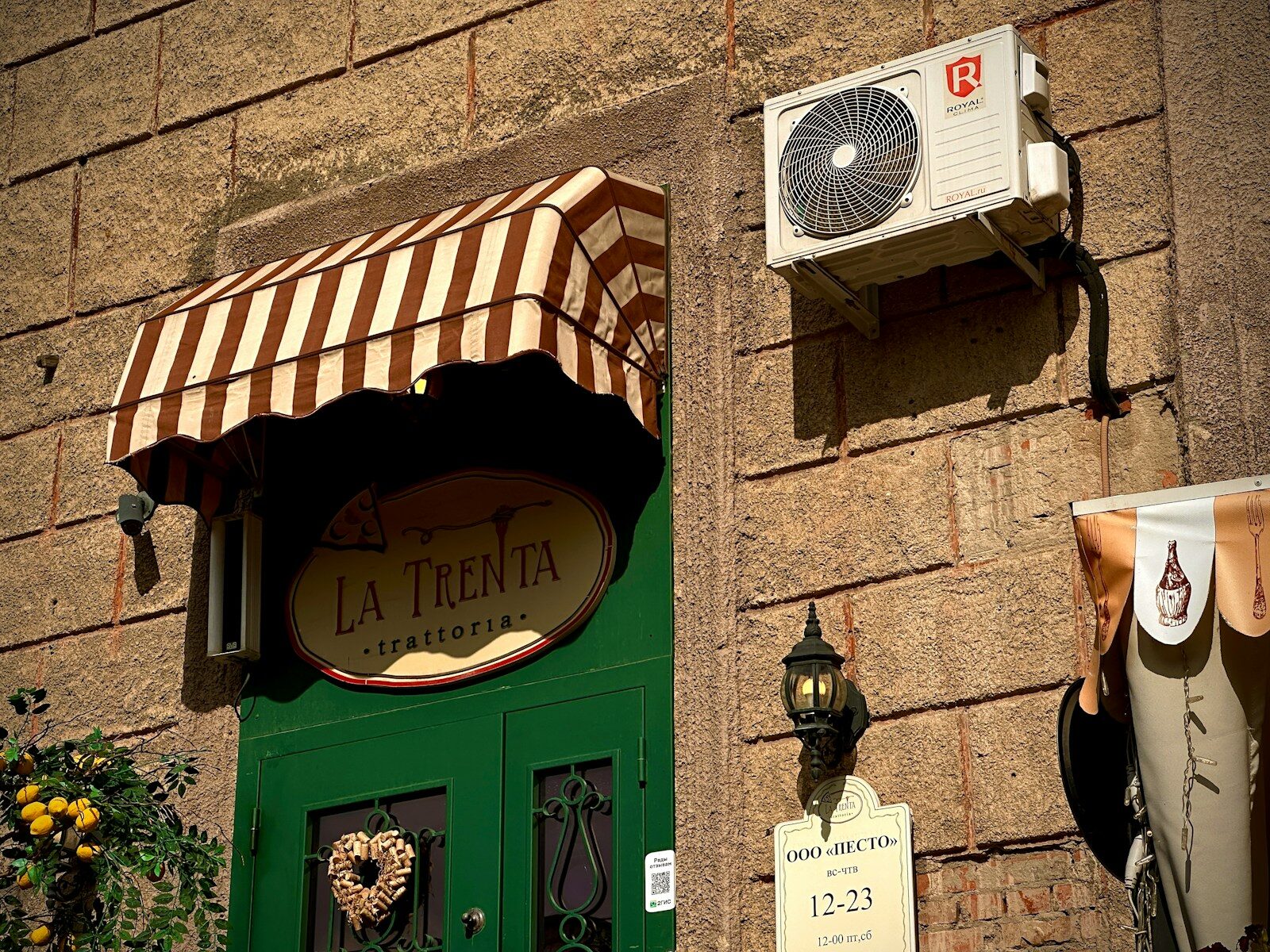
The outdoor condenser unit plays a critical role in the heating process. If the outdoor unit becomes blocked by debris, snow, or ice, the system may not be able to operate properly.
Leaves, dirt, and other debris can accumulate around the unit and restrict airflow. In colder climates, snow and ice buildup can also interfere with operation. Clearing debris and ensuring the outdoor unit has proper airflow can sometimes resolve heating issues.
However, if the outdoor unit is experiencing electrical or mechanical problems, professional mini split repair may be required to diagnose and fix the issue.
Defrost Cycle Operation
Mini split heat pumps occasionally enter a defrost cycle during cold weather. This cycle temporarily stops the heating function while the system removes frost from the outdoor coil.
During the defrost cycle, you may notice that the indoor unit stops blowing warm air for a short period of time. This is normal and usually lasts only a few minutes. Once the defrost cycle is complete, the system will resume heating.
If the system remains in this state for an extended period or fails to return to heating mode, it may indicate a problem that requires mini split repair.
Frozen Coils
A frozen evaporator or condenser coil can prevent your mini split from heating effectively. Ice buildup can occur when airflow is restricted, refrigerant levels are low, or components are malfunctioning.
When coils freeze, the system cannot properly transfer heat, which results in poor heating performance. If you notice ice on the indoor or outdoor unit, turning the system off and allowing it to thaw may temporarily restore operation. However, a professional inspection is recommended to determine the underlying cause and prevent further damage.
Electrical or Component Failures
Like any HVAC system, mini splits rely on several electrical components to function properly. Issues with the compressor, control board, sensors, or wiring can prevent the system from entering heating mode.
Electrical faults are often difficult to diagnose without proper equipment, which is why professional mini split repair is usually necessary. A trained technician can test system components, identify faulty parts, and complete the necessary repairs.
Lack of Routine Maintenance
Routine maintenance plays an important role in preventing heating issues. Over time, dust buildup, worn components, and small mechanical problems can gradually reduce system performance.
Scheduling annual maintenance allows technicians to inspect the system, clean key components, and identify potential issues before they become major problems. Regular service can extend the lifespan of your system and reduce the likelihood of unexpected mini split repair.
When to Call a Professional
While some minor issues—such as incorrect settings or dirty filters—can be resolved by homeowners, more serious problems require professional attention. If your mini split continues to struggle with heating despite basic troubleshooting, it may be time to contact an HVAC technician.
Professional mini split repair ensures that refrigerant levels, electrical components, and system controls are properly inspected and repaired. Addressing problems early can help restore comfort to your home and prevent more costly repairs in the future.
If your mini split isn’t heating as it should, taking prompt action and scheduling expert mini split repair can help keep your home warm and comfortable throughout the colder months.
Get gorgeous projects via email
