

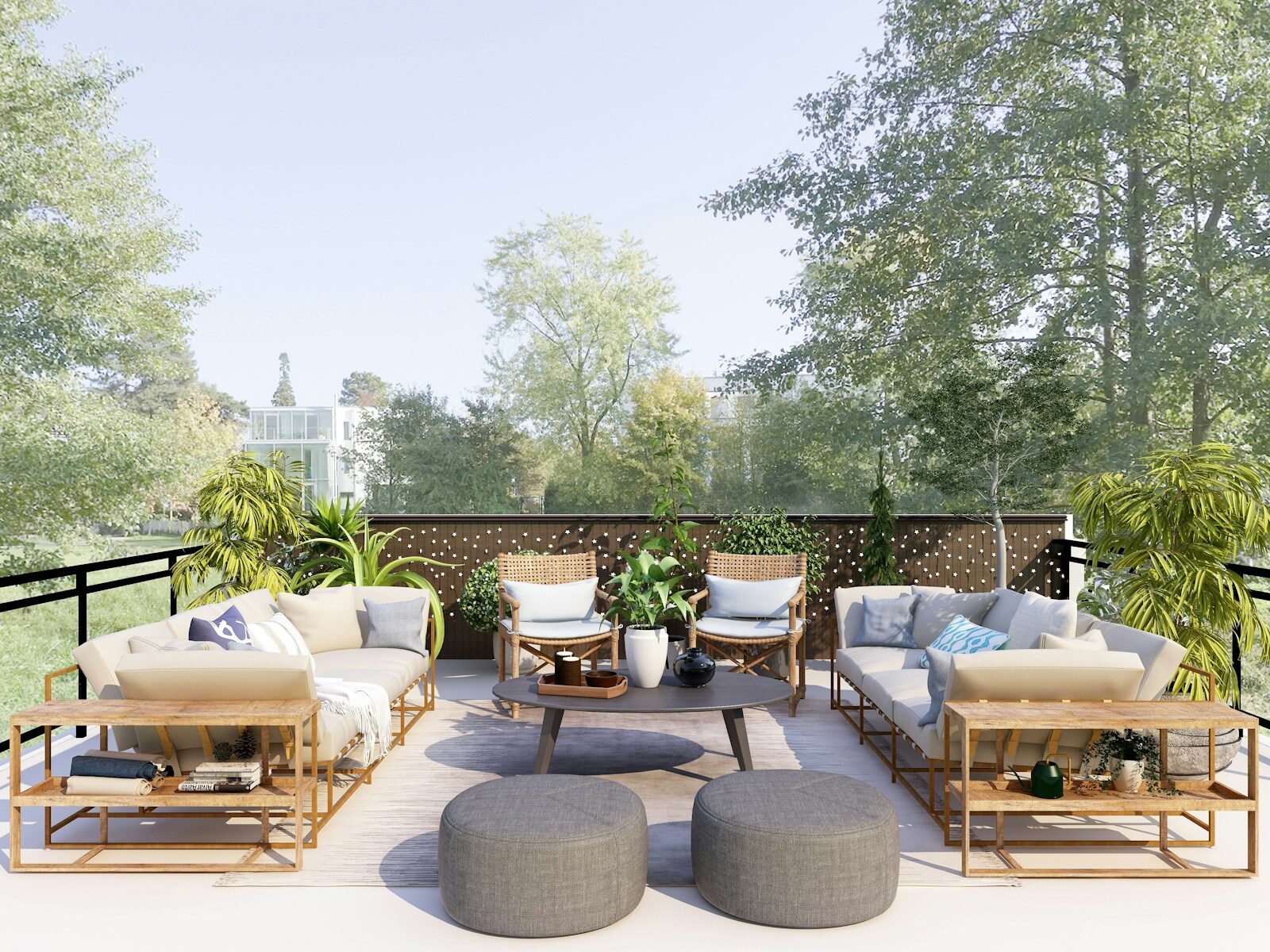
Some of my favourite conversations have happened outdoors. Whether it was a family barbecue that stretched into the evening or a quiet morning spent reading in the sunshine, the outdoor space often became the heart of the home. Yet not every backyard feels inviting by nature. Many homeowners invest in beautiful furniture or landscaping, but still find themselves rarely using the space.
A well-designed outdoor living area is much like an extra room without walls. It should feel comfortable, practical, and welcoming while adapting to different activities and seasons. Creating a space that balances style and functionality requires thoughtful planning, smart material choices, and an understanding of how people actually use outdoor environments. When every element works together, the result is an outdoor retreat that encourages relaxation, connection, and everyday enjoyment.
Everything You Need to Design a Comfortable and Functional Outdoor Living Area
A successful outdoor living area goes beyond appearance. It supports the way you live, entertain, and unwind. Before selecting furniture, décor, or structures, it helps to define the space’s primary purpose.
Some homeowners want an outdoor dining zone for entertaining guests, while others prefer a peaceful retreat for reading or relaxing. Families may need multipurpose spaces that accommodate children, social gatherings, and outdoor cooking. Clarifying these goals helps guide every subsequent design decision.
When outdoor spaces are planned around daily habits rather than trends, they often become some of the most frequently used areas of the property.
Start with a Clear Layout Plan
Every functional outdoor space begins with a well-considered layout. The size and shape of your yard, patio, deck, or courtyard will influence how different zones are arranged.
Think about how people will move through the space. Paths should feel natural and unobstructed, while seating and activity zones should have enough room to function comfortably.
Consider dividing the area into practical zones, such as:
- Dining and entertaining
- Relaxation and lounging
- Cooking and food preparation, Children’s play areas
- Garden features and greenery
Creating defined zones helps larger outdoor areas feel organised while allowing smaller spaces to maximise every available square metre.
Prioritise Comfort in Every Design Decision
Many outdoor areas look attractive but fail to provide genuine comfort. Hard seating, inadequate shade, or poor furniture placement can discourage regular use.
Comfort begins with selecting furniture that supports relaxation. Cushioned seating, ergonomic designs, and weather-resistant fabrics contribute to a more enjoyable experience. It is also helpful to think about how long people are likely to spend in the space.
Temperature control plays a major role as well. Natural airflow, shade structures, and thoughtful positioning can make outdoor areas far more comfortable during warmer months. The goal is to create a space where people naturally want to linger rather than simply pass through.
Choose Durable Materials That Suit the Climate
Outdoor spaces are constantly exposed to the elements. Sun, rain, wind, and fluctuating temperatures can quickly wear down materials that are not designed for outdoor use.
Selecting weather-resistant materials from the beginning can reduce maintenance and replacement costs. Quality materials often perform better over time and maintain their appearance despite seasonal changes.
Popular durable options include:
- Powder-coated aluminium
- Teak and hardwood timbers
- Composite decking
- Natural stone paving
- UV-resistant outdoor fabrics
Materials should be selected not only for appearance but also for their ability to withstand local environmental conditions.
Create Shade for Year-Round Enjoyment
One of the biggest challenges in outdoor design is managing sun exposure. An outdoor area without shade may become uncomfortable at certain times of day, limiting its use.
Strategic shade solutions can dramatically improve comfort while protecting furniture and surfaces from UV damage. Trees, umbrellas, awnings, and built structures all contribute to a more pleasant outdoor environment.
Many homeowners install a louvered pergola because it offers year-round flexibility. Adjustable roof blades allow sunlight, shade, and ventilation to be controlled as conditions change. This adaptability helps create an outdoor space that remains comfortable across different seasons and weather patterns.
Select Furniture That Matches Your Lifestyle
Furniture often serves as the centrepiece of an outdoor living area. The right pieces support both aesthetics and functionality while encouraging people to spend more time outdoors.
When choosing seating and dining arrangements, think about how the space will be used most frequently. Large dining tables work well for entertainers, while modular lounges may suit families who enjoy casual gatherings.
When shopping for outdoor furniture in Australia, homeowners should focus on durability, comfort, and weather resistance. Australia’s climate can be demanding, making material quality particularly important for long-term performance.
Choosing furniture that aligns with your lifestyle creates a more practical and enjoyable outdoor environment.
Incorporate Lighting for Atmosphere and Function
Lighting can completely transform an outdoor area after sunset. A well-lit space feels safer, more inviting, and more versatile.
Layering different lighting types often creates the best results. Functional lighting supports visibility while decorative lighting adds warmth and character.
Popular outdoor lighting options include:
- Pathway lighting
- Wall-mounted fixtures
- String lights
- Deck lighting
- Garden spotlights
Thoughtful lighting design extends the usability of outdoor spaces well into the evening while enhancing visual appeal.
Add Greenery to Soften the Space
Plants bring life, texture, and colour to outdoor living areas. They can also improve privacy, reduce heat, and create a stronger connection to nature.
The most successful outdoor spaces often combine hard surfaces with carefully selected landscaping. Too many paved areas can feel sterile, while excessive planting may overwhelm smaller spaces.
Consider incorporating:
- Raised garden beds
- Decorative pots
- Vertical gardens
- Native plants
- Privacy hedges
Greenery serves as the finishing brushstrokes in a painting, adding depth and personality that make the entire space feel complete.
Design for Flexibility and Future Needs
Outdoor spaces often evolve as lifestyles change. A young family may eventually require more entertaining space, while empty nesters might prioritise relaxation and low maintenance.
Designing with flexibility allows outdoor areas to adapt over time. Modular furniture, movable planters, and multipurpose zones make it easier to accommodate changing needs without major renovations.
A flexible design approach can also provide better long-term value. Spaces that serve multiple purposes are more frequently used and remain relevant as household priorities shift.
Consider Storage and Organisation
Storage is frequently overlooked during outdoor design planning. Without dedicated storage solutions, cushions, gardening tools, toys, and entertaining accessories can quickly create clutter.
Integrated storage benches, outdoor cabinets, and weather-resistant storage boxes help maintain a clean and organised appearance. Practical storage solutions also make it easier to protect items during adverse weather.
An organised outdoor space feels more relaxing and easier to maintain. Small storage additions can make a noticeable difference in both functionality and visual appeal.
Maintenance Planning Starts Before Installation
A beautiful outdoor living area becomes much easier to enjoy when maintenance requirements are manageable. Material selection, landscaping choices, and furniture quality all influence ongoing upkeep.
Low-maintenance design strategies include:
- Selecting weather-resistant materials
- Installing automated irrigation systems
- Using native plants
- Choosing durable outdoor fabrics
- Incorporating easy-to-clean surfaces
Planning for maintenance from the beginning can save time and money while helping outdoor spaces retain their appearance over the years.
Bringing Style and Function Together
The most memorable outdoor spaces achieve a balance between beauty and practicality. Every design element should contribute to both the appearance and usability of the area.
Colours, textures, furniture, landscaping, and architectural features should work together to create a cohesive experience. Rather than focusing on individual products, homeowners benefit from viewing the outdoor area as a complete environment.
When design choices support comfort, movement, and functionality, the outdoor space becomes more than just part of the backyard. It becomes a destination where people naturally gather, relax, and create lasting memories.
Conclusion
Designing a comfortable, functional outdoor living area is about creating a space that reflects how you live. From thoughtful layouts and durable materials to shade solutions, lighting, and landscaping, every decision contributes to the overall experience.
A successful outdoor space balances practicality with personality. By focusing on comfort, flexibility, and long-term durability, homeowners can create an environment that adds value to the property while enhancing everyday life. Taking the time to plan carefully today can lead to years of enjoyment, connection, and outdoor living at its best.
FAQs
What is the most important factor when designing an outdoor living area?
The most important factor is understanding how the space will be used. A successful design reflects the household’s lifestyle, whether that involves entertaining guests, relaxing with family, outdoor dining, or a combination of activities. When the design aligns with daily habits and preferences, the space becomes more functional, comfortable, and enjoyable year-round.
How much space do I need for a comfortable outdoor living area?
The required space depends on the intended use. Even small patios and courtyards can become highly functional when carefully planned. Defining activity zones, selecting appropriately sized furniture, and maintaining clear walkways can maximise usability. Larger spaces provide more flexibility, but thoughtful design often matters more than total square metres.
Why is shade so important in outdoor living area design?
Shade improves comfort, protects occupants from excessive sun exposure, and helps preserve furniture and surface finishes. Areas without adequate shade can become difficult to use during warmer periods. Structures, trees, umbrellas, and adjustable roofing systems protect while creating a more inviting environment that supports year-round outdoor enjoyment.
How do I choose the right furniture for my outdoor space?
Furniture selection should reflect how the area will be used. Dining spaces require different seating arrangements than relaxation zones. Material durability, weather resistance, comfort, and maintenance requirements all play important roles. Choosing high-quality furniture that complements the household’s layout and lifestyle goals often leads to greater long-term satisfaction.
What are the benefits of adding an alouvered pergola to an outdoor living area?
A louvered pergola offers flexibility that many traditional shade structures cannot provide. Adjustable roof blades allow homeowners to control sunlight, shade, and airflow as weather conditions change. This versatility increases comfort year-round while helping protect outdoor furniture and creating a more functional space for entertaining and relaxation.
Get gorgeous projects via email
