

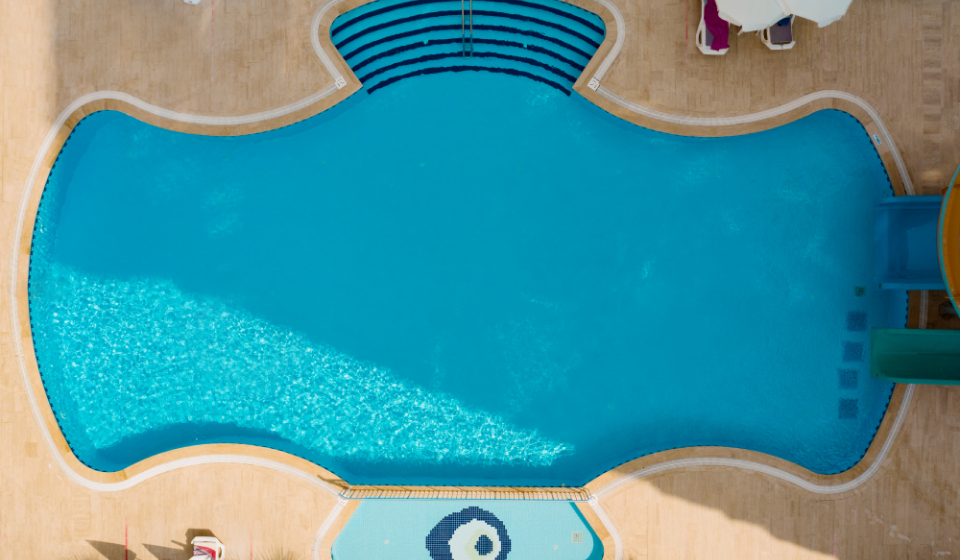
Choosing the right swimming pool is one of the most important decisions when upgrading your outdoor space. Both concrete and fibreglass pools are widely used, and each offers distinct advantages depending on your budget, space, and lifestyle goals. Working with a professional pool builder in Geelong gives you access to expert advice throughout the entire process, from initial design through to construction, ensuring the pool is built safely, lasts long term, and suits your specific needs while minimising the risk of costly errors.
Understanding Concrete Pools
Concrete pools are built on-site. This construction method allows for complete design freedom, making it possible to create virtually any shape, depth, or size. One of the strongest advantages of concrete pools is their flexibility. Whether you want a modern geometric design or a more natural freeform shape, concrete allows for full customisation. This makes them particularly appealing for homeowners who want a unique backyard feature tailored to their exact vision.
Understanding Fibreglass Pools
Fibreglass pools are manufactured as a single pre-moulded shell and delivered to the site for installation. This process significantly reduces construction time, making it a popular choice for those who want a faster turnaround. One of the key advantages of fibreglass pools is their smooth surface, which is gentle on the skin and resistant to algae growth. Fibreglass pools are also known for their durability, as the material is designed to flex slightly with ground movement, reducing the risk of cracking.
Installation Differences Between Concrete and Fibreglass Pools
Installation is one of the most noticeable differences between these two pool types.
Concrete pools
Concrete pools require excavation, framework construction, plumbing installation, and multiple stages of concrete application and curing. This process can take several weeks or even months, depending on complexity and weather conditions.
Fibreglass pools
Fibreglass pools, on the other hand, are much quicker to install. Once the site is prepared, the pre-moulded shell is placed into position and secured. This reduces disruption to the property and allows for faster enjoyment of the finished pool.
Maintenance and Durability Factors
Concrete pools
Maintenance is an important consideration for any pool owner. Concrete pools are durable, but their porous surface can require more frequent cleaning and chemical balancing to prevent algae buildup. Over time, they may also require resurfacing to maintain their appearance and functionality.
In some cases, pool renovation may be required for concrete pools to restore surface condition or update design features.
Fibreglass pools
Fibreglass pools are easier to maintain due to their smooth, non-porous surface. They resist staining and algae growth, which reduces cleaning effort and chemical usage. This makes them a practical choice for homeowners looking for lower maintenance requirements.
Cost Comparison and Long-Term Value
When comparing costs, fibreglass pools typically have a lower upfront price because they arrive as pre-manufactured shells, making installation quicker and more predictable. Concrete pools usually require a higher initial investment due to increased labour, longer construction timelines, and more extensive on-site work.
Design Flexibility and Aesthetic Appeal
Concrete pools
Concrete pools offer unmatched design flexibility. They can be built to suit any backyard layout, including complex shapes, infinity edges, integrated spa sections, and custom depth variations. This makes them ideal for homeowners seeking a fully personalised outdoor space.
Fibreglass pools
Fibreglass pools, while limited in shape options, still offer modern and visually appealing designs. They are often chosen for their clean lines and simple elegance, making them suitable for contemporary outdoor areas.
Comfort, Safety, and User Experience
Comfort is an important factor when selecting a pool type. Fibreglass pools typically provide a smoother surface, which can feel more comfortable underfoot and reduce the risk of abrasions. Concrete pools can also be designed with safety in mind, including gradual entry points, handrails, and textured finishes for slip resistance.
Both options can be tailored to suit families, children, and individuals who prioritise safe and enjoyable swimming experiences.
Which Pool Type Is Best for Your Backyard?
There is no single answer that suits every homeowner. Concrete pools are best suited for those who want complete design freedom and are willing to invest in a long-term custom solution. They are ideal for unique backyard layouts and premium architectural designs.
Fibreglass pools are best suited for those who want a faster installation process, lower maintenance requirements, and a smooth, modern finish. They are practical, efficient, and well-suited to most standard backyard spaces.
Both options provide excellent long-term value when installed correctly and maintained properly. The best choice ultimately depends on how you plan to use your pool and what level of customisation you expect.
Conclusion
Concrete and fibreglass pools both offer strong advantages, and neither should be seen as a one-size-fits-all solution. By understanding the strengths of each option, you can make a confident decision that suits your lifestyle, budget, and backyard vision. A well-planned pool investment will enhance your outdoor space for many years, creating a valuable area for relaxation, entertainment, and family enjoyment.
Frequently Asked Questions
Which pool type lasts longer, concrete or fibreglass?
Both concrete and fibreglass pools are built to last for many years when properly maintained. Concrete pools are known for their long structural lifespan, while fibreglass pools also offer strong durability, with their flexible shell.
Is a fibreglass pool easier to maintain than a concrete pool?
Fibreglass pools are generally easier to maintain due to their smooth, non-porous surface, which helps reduce algae growth and limits the need for frequent cleaning.
Which pool type is more cost-effective over time?
Fibreglass pools often have lower ongoing maintenance costs, making them more cost-efficient in the long run for many homeowners.
How long does installation take for each pool type?
Concrete pools take longer to install due to their on-site construction process. Fibreglass pools are quicker to install, as the pre-moulded shell is delivered and placed into position.
Which pool type adds more visual appeal to a backyard?
Both pool types can enhance the visual appeal of a backyard. Concrete pools stand out for their fully customised designs, while fibreglass pools offer clean, modern styles that complement a wide range of outdoor settings.
Get gorgeous projects via email
