

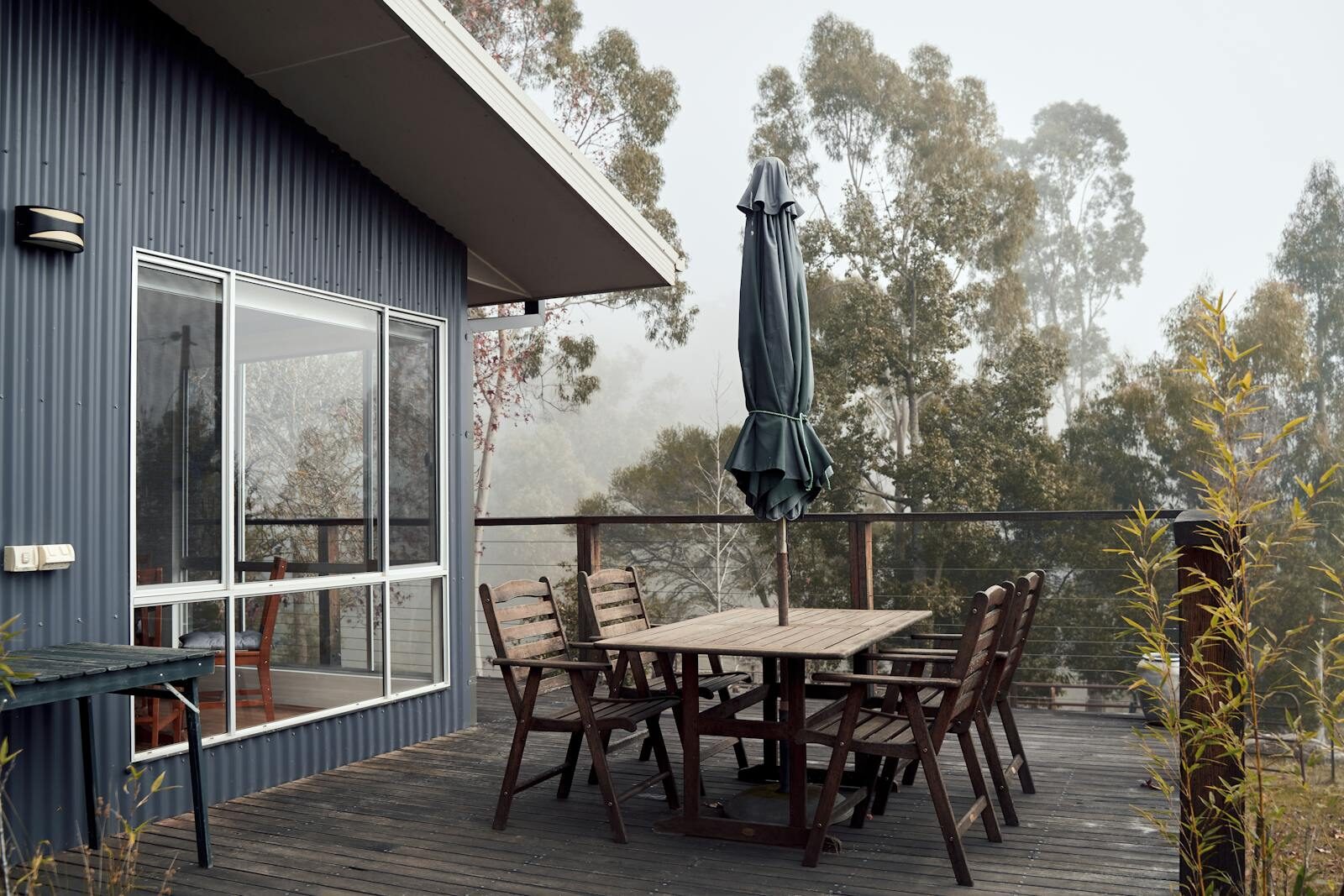
Building a deck is one of the most effective ways to expand your living space and increase your home’s value. But before construction begins, you need a clear and realistic budget. Proper planning helps prevent unexpected costs and ensures you get the outdoor space you truly want.
Here’s how to approach budgeting for your deck build step by step.
1. Start With Your Goals
Before discussing numbers, define the purpose of your deck.
- Is it for entertaining guests?
- A quiet retreat?
- A space for grilling and dining?
- A covered outdoor living area with lighting and heat?
The size, layout, and materials will all depend on how you plan to use the space. A simple platform deck will cost significantly less than a multi-level deck with custom railings and a roof structure.
Clarity at the beginning leads to accuracy in budgeting.
2. Understand the Major Cost Factors
Several elements drive the total cost of a deck build:
Size
The larger the deck, the more materials and labor are required. Even small increases in square footage can noticeably affect the total price.
Materials
Common options include:
- Pressure-treated wood – Lower upfront cost but requires regular maintenance.
- Composite decking – Higher upfront investment but lower maintenance over time.
Railings, fascia boards, skirting, and trim materials also impact the overall budget.
Structure & Elevation
Ground-level decks are typically less expensive than elevated decks that require additional framing, stairs, and support posts. Soil conditions, footings, and attachment methods also affect cost.
Upgrades & Features
Add-ons increase cost but enhance functionality and appearance:
- Deck lighting
- Built-in seating
- Pergolas or roof systems
- Under-deck drainage systems
- Custom stair designs
Each feature adds value, but should be planned intentionally.
We used the deck building calculator tool by Modernize It LLC to help us craft this list of major cost elements.
3. Include Permits and Inspections
Most towns require permits for deck construction. Permit fees vary depending on location and project size. Your contractor typically handles this, but the cost should be included in your overall estimate.
Skipping permits can create major issues later, especially during a home sale.
4. Compare Professional Build vs. DIY
DIY construction may appear less expensive, but consider:
- Tool purchases or rentals
- Material waste from mistakes
- Code compliance requirements
- Structural safety concerns
Professional deck builders understand framing requirements, flashing details, and local building codes. Doing it right the first time can save significant money long term.
5. Add a Contingency Buffer
Plan to include a 10–15% buffer in your budget. This accounts for:
- Material price changes
- Hidden structural challenges
- Soil or site issues
- Mid-project adjustments
A contingency fund reduces stress and keeps your project moving smoothly.
6. Think Long-Term Value
The least expensive option is not always the best value.
Consider:
- Maintenance costs over time
- Durability in your climate
- Warranty coverage
- Impact on resale value
For example, composite decking has a higher upfront cost but often saves money over the years by reducing staining, sealing, and replacement expenses.
7. Get Detailed Written Estimates
When reviewing quotes:
- Ensure materials are clearly specified.
- Confirm what is included (demolition, disposal, permits, lighting).
- Review timeline expectations.
- Ask about labor and product warranties.
A lower estimate without details can lead to unexpected additions later.
8. Consider Phased Construction
If your ideal deck exceeds your budget, consider building in stages:
- Install the primary deck now.
- Add a pergola or roof later.
- Pre-wire for lighting and install fixtures later.
- Plan structural framing for future expansion.
Phased planning allows you to achieve your vision over time without sacrificing design cohesion.
Final Thoughts
Budgeting for a deck build requires thoughtful planning and realistic expectations. Define your goals, understand the cost drivers, include a contingency buffer, and prioritize long-term value.
With the right approach, your deck becomes more than a project—it becomes an investment in how you enjoy your home for years to come.
Get gorgeous projects via email
