

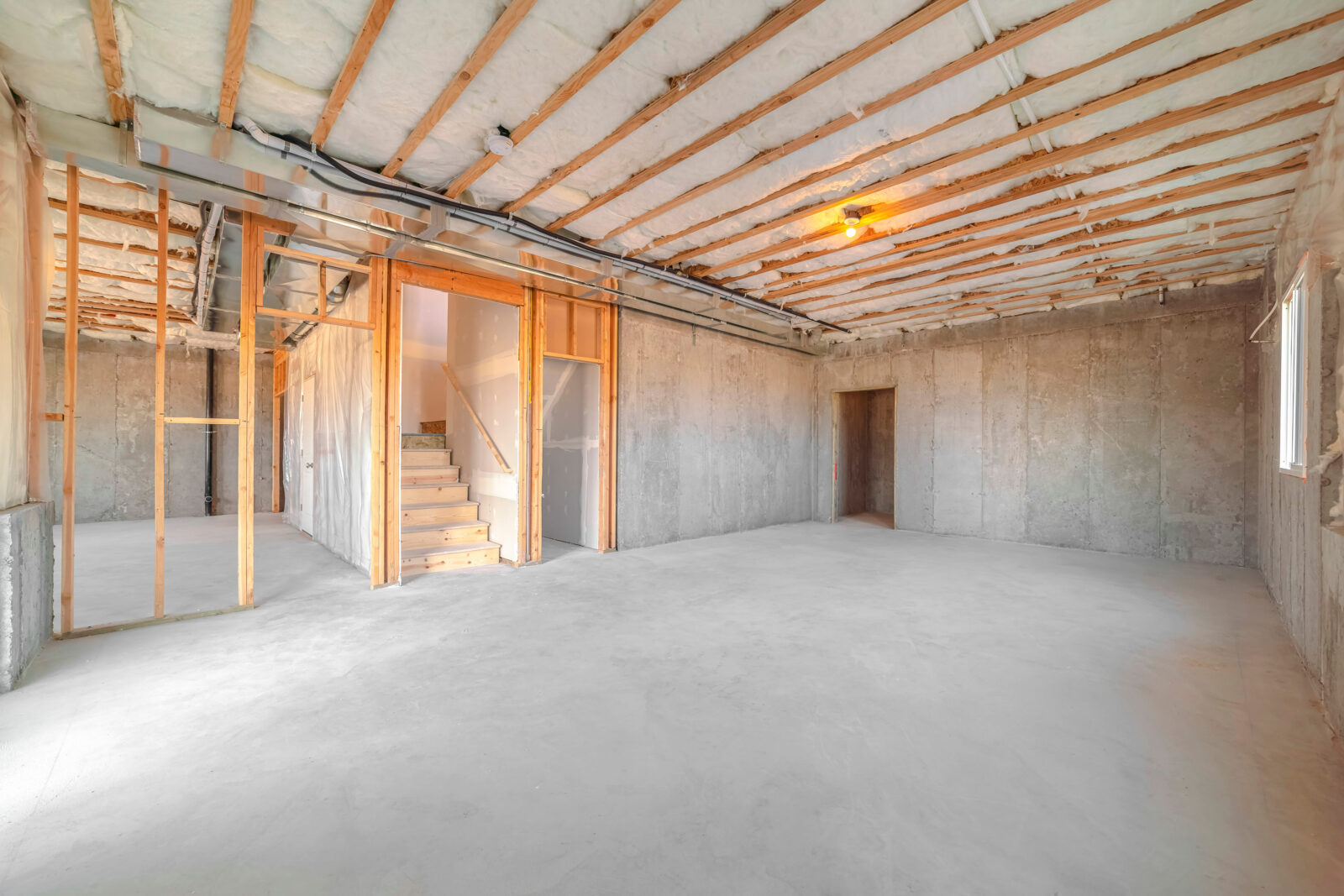
Part of homeownership is taking care of the structure and maintaining its integrity. Basement underpinning is when the home’s foundation is strengthened and deepened, either to address stability issues or expand the structure.
Underpinning may be considered if the home has foundation problems or if the house is to undergo major renovations. If you’re looking to increase basement headroom, underpinning is an option. Underpinning may also boost the resale value of a home.
Whether or not underpinning is right for a home is dependent on the condition of the foundation, structural issues, budget, and the long-term goals of the homeowners. It’s not a DIY project; it requires professionals like Concrete Master.
What Is Underpinning?
Underpinning is when the existing foundation of a structure is reinforced or extended. This process is often used when basements are lowered to create more headroom. This entails digging beneath the concrete slab to create more space.
There are several ways to perform underpinning. Sometimes, new concrete is poured under the existing foundation section by section. It can also be reinforced with a beam placed under the foundation that rests on concrete. Another underpinning process is to use piles that are pushed into the stable soil layers deep under the ground. There is a less costly process that is shallower, but it can have limitations on space, unlike full underpinning.
Signs a House Needs Underpinning
There are signs that a homeowner can watch for to determine whether or not investing in underpinning is necessary. Uneven floors or areas of the house that are sinking indicate serious foundation issues. Doors and windows that won’t close properly are another sign of a foundation issue. Another thing to watch for is if there is water penetration, persistent moisture, or poor drainage around the foundation.
Rehabilitation of a house may also call for underpinning. Reasons for including it in a rehab are to increase ceiling height, add extra floors, or do major structural renovations. Sometimes, underpinning is necessary to increase the chance of selling a home, rectifying issues that buyers might balk at taking on if they purchase the home.
Why Underpinning Is Done
Underpinning is performed to restore structural soundness. It stabilizes foundations that have been weakened over time by the elements. Poor soil quality, ground movement, and aging foundation footings can affect load-bearing capacity and cause serious issues. Underpinning can withstand a heavier structure, which allows for additional floors and major renovations. Original foundations often can’t support more weight being added.
For those areas of the country that have basements, deepening the foundation can add significant living space, allowing basements to be changed into new living spaces like recreation rooms, bedrooms, and home offices.
A home’s market appeal can be increased if it has finished and structurally sound basements. Home improvements that include structural work can boost a house’s resale value.
Many homes across the country have foundation issues. It’s estimated that 1 in 4 homes has foundation issues, which underpinning may solve.
Benefits and Drawbacks of Basement Underpinning
Upgrading a home through underpinning should be seen as a long-term investment in protecting a home. Underpinning creates a stronger foundation, which ensures long-term structural stability. While underpinning is being done, it creates the opportunity to integrate modern waterproofing, improve drainage, and install better insulation to reduce the chance of moisture risks.
Underpinning is an expensive endeavor. The cost is affected by soil conditions, the method of underpinning, the depth needed, and the complexity of the project. There also might be unexpected structural issues that are found once the work on the underpinning begins, which may increase the cost.
Underpinning projects require soil and structural engineering, excavation, and heavy equipment. Since underpinning is major structural work, building permits, inspections, and compliance with codes are required. Also, underpinning must be done section by section so the building is not destabilized. These types of projects can take months, affecting the homeowner’s home life.
Many homeowners opt for underpinning because it protects their investment and improves the value of their home. It can be a smart investment when done with professionals like Concrete Master.
“At Concrete Master, we recognize that every basement has its own unique requirements. Our meticulous underpinning process is specifically designed to not only establish a solid foundation but also maximize the usable space in your basement,” says the Concrete Master website.
Frequently Asked Questions
Q. How do I know I need underpinning?
A. If there are areas of the floor that are sinking or uneven, the foundation isn’t stable. Underpinning will resolve this issue.
Q. Is underpinning always expensive?
A. The cost of a project is dependent on many factors, and underpinning can sometimes reveal more issues. A professional company can evaluate the size of the project and provide an estimate.
Q. Does underpinning increase the value of a home?
A. Underpinning may increase the value of a home and increase its chances of selling at a higher price.
Get gorgeous projects via email
