

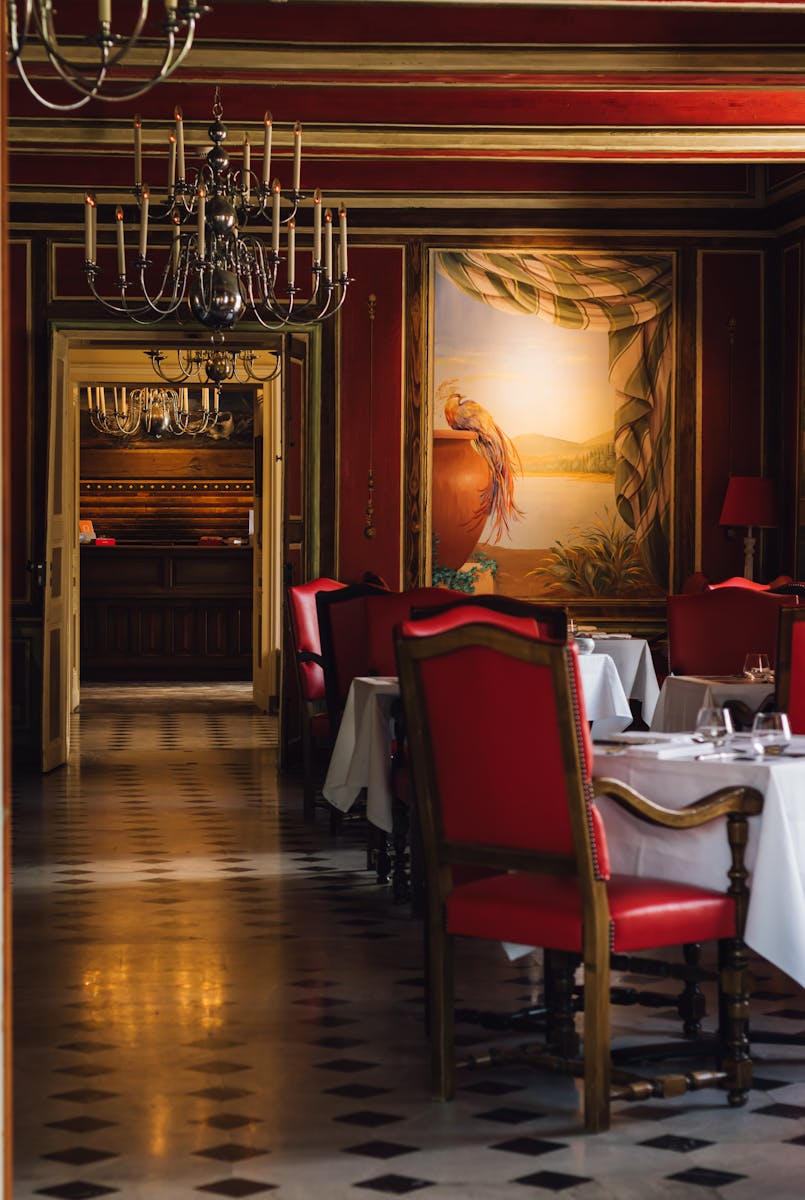
A meal is never just about the food. The environment in which it’s eaten plays a fundamental role in shaping how diners perceive each bite. The atmosphere can heighten the senses, influence emotions, and turn an ordinary dinner into an unforgettable event.
The Power of Ambience
Ambience refers to the mood or feeling of a place. It’s shaped by many factors, including lighting, décor, layout, temperature, sound, and even the way staff are dressed. When all these elements are thoughtfully orchestrated, they create an emotional backdrop that complements the cuisine. Diners feel more relaxed, more engaged, and more open to experiencing new flavors.
Lighting and Color
Lighting does more than let people see their plate. Soft, warm lighting brings a sense of intimacy and comfort. Cooler, brighter lights can feel energizing and modern. Color choices also influence how food looks and tastes. Earthy tones may evoke a rustic, home-cooked feeling, while bold shades can create drama and excitement. A well-lit room with carefully chosen hues will make each dish more visually appealing and inviting.
Sound and Music
Background sound has the power to shape dining mood. Gentle ambient music can calm the nerves; a steady hum of conversation adds warmth. Alternatively, lively music can energize and prompt conversation. Restaurants that tailor their soundscapes to match their culinary style create a more immersive experience. For fine dining, soft piano or strings might be ideal; for a lively bistro, light jazz or acoustic guitar could be perfect.
Furniture and Table Setting
Comfortable seating improves the eating experience. Chairs that are too stiff or tables that are too low can distract from the food. Tableware also plays a role. Well-chosen crockery, cutlery, glassware, and linens signal quality. A carefully folded napkin, a polished knife, a sparkling glass: these details suggest that greater thought has gone into every element, encouraging diners to slow down and savor their meal.
Scent and Temperature
The smell and feel of a space contribute significantly to perception. Pleasant, subtle aromas, perhaps from candles or fresh flowers, set the tone before the food even arrives. Temperature matters too: a room that’s slightly cool encourages lingering, while one that’s stuffy feels oppressive. Balance is key. When the scent of the surroundings complements the food, it primes the senses in advance.
Staff Appearance and Interaction
How staff present themselves influences how the meal is perceived. Uniforms, grooming, and communication all contribute to an overall impression. For example, chefs and servers wearing high-quality, tailored aprons convey professionalism and pride in their craft. Some kitchens and dining rooms use premium aprons to reflect their dedication to excellence. Bragard offers elegant and functional chef’s attire, including top-quality aprons that blend style and purpose. Check them out at https://www.bragard.ca/aprons.
Friendly, engaged staff also shape the mood. Their demeanor and attentiveness create a feeling of hospitality. If they’re relaxed but respectful, diners feel welcomed. If they’re rushed, diners may feel uncomfortable or hurried.
People and Interaction
The mix of diners in a space also affects the atmosphere. A bustling room full of chatty people suggests vibrancy and energy, while a quieter, more intimate setting might feel contemplative or romantic. The structure of a place, whether communal tables, private booths, or open-plan seating, determines how people interact. When encouragement is given to share, laugh, and connect, meals become social rituals rather than just feeding times.
Elevating the Culinary Experience
When atmosphere aligns with cuisine, it elevates the whole experience. For instance, a Mediterranean restaurant with natural wood furniture, olive tones, and soft lighting reinforces the casual, sun-soaked mindset of its food. A high-end dining venue may use minimal modern décor, crisp white linens, and soft classical music to signal formality and refinement. The right atmosphere can make familiar dishes feel new, while exotic dishes become approachable.
Moreover, a good atmosphere encourages lingering. Diners stay longer, enjoy more courses, converse more deeply, and finish with dessert or wine. That kind of engagement turns a meal into an event rather than just a transaction.
Conclusion
Atmosphere is the invisible ingredient that binds all components of a dining experience. It shapes how food is perceived, how people feel, and how memories are made. Lighting, sound, smell, décor, staff presentation, and interaction all work in harmony to elevate a simple meal into a sensory journey. In a world filled with take-out and quick bites, a carefully crafted atmosphere offers something rare: a space where people slow down, connect, and truly taste each moment.
Get gorgeous projects via email
