

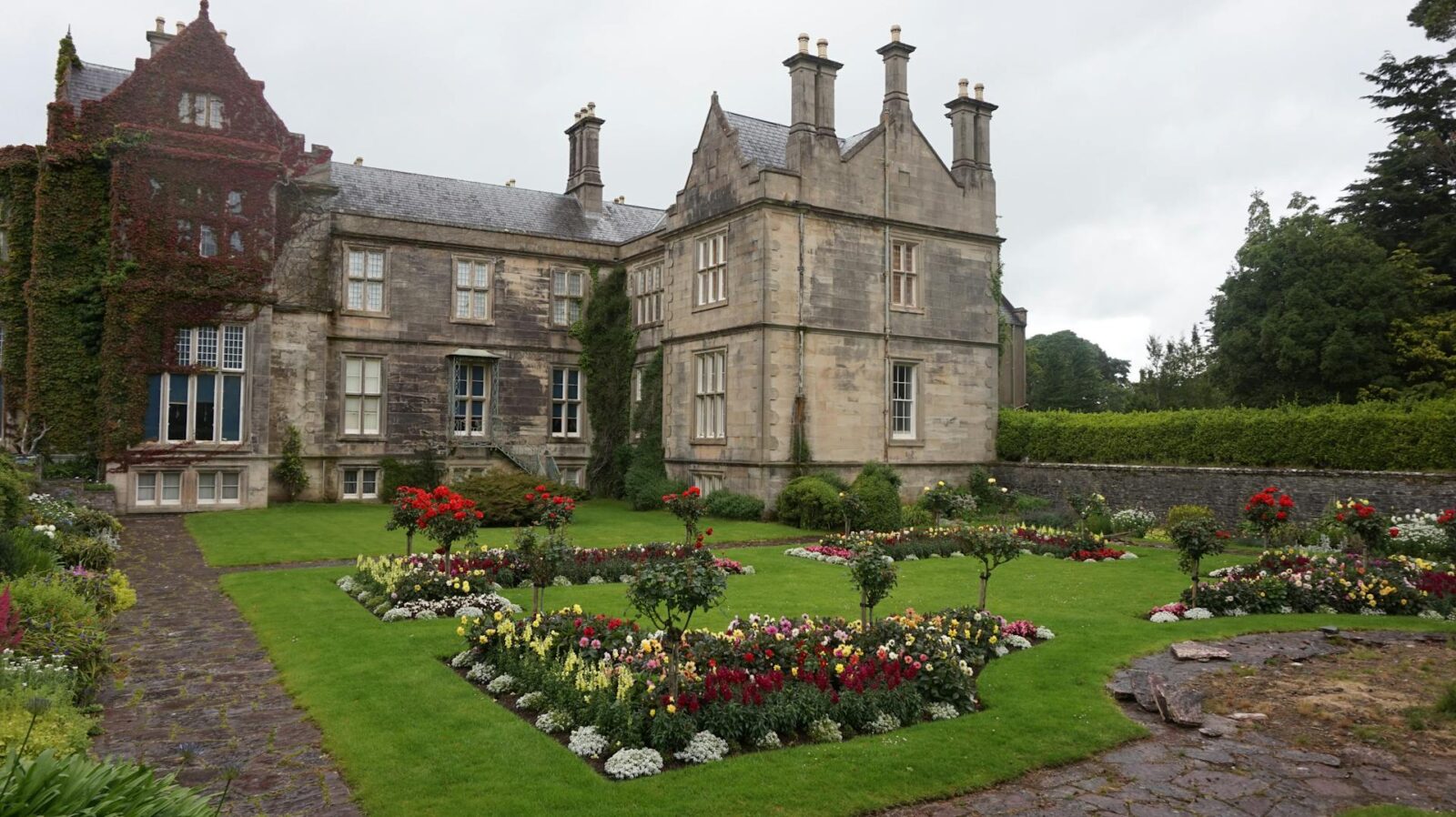
Beautiful landscapes don’t happen by accident. Behind every serene garden, flowing path, and flourishing yard is a balance of planning and artistry. The best designs merge the precision of engineering with the imagination of creativity, and with that, you get landscapes that are not only visually striking but also practical and sustainable.
With her unique background in electrical engineering and passion for design, Jennifer Miree Cope brings both science and art to the world of residential landscaping. Her approach shows homeowners how thoughtful planning and creative expression can transform outdoor spaces into living works of art.
1. Precision in Planning
Landscaping begins long before the first plant touches the soil. Careful planning, rooted in engineering principles, lays the foundation for success. Measurements, drainage considerations, soil testing, and sun patterns all determine whether a landscape thrives or struggles.
“Good landscaping is about solving problems before they arise,” Jennifer explains. By approaching projects with an engineer’s mindset, homeowners can create layouts that function well, resist erosion, and support long-term growth.
2. Creativity in Design
While planning ensures stability, creativity gives landscapes their character. This is where artistry shines: through color palettes, plant variety, textures, and natural flow. Curved pathways, layered plantings, and seasonal blooms bring life and emotion to the space.
Jennifer Miree Cope encourages homeowners to view their yards as canvases. “Plants are the paint, and the land is the frame,” she says. By experimenting with composition and focal points, anyone can infuse personality into their outdoor space.
3. Blending the Two Worlds
The real magic happens when engineering and creativity meet. Structured hardscapes, like retaining walls, patios, and drainage systems, pair beautifully with softscapes of flowering shrubs and ornamental trees. A well-planned irrigation system ensures beauty is sustainable, while design elements like lighting and seating make a yard inviting year-round.
Jennifer advises homeowners to think holistically: “Every practical element should serve the design, and every design choice should be supported by sound planning.”
4. Sustainable Landscaping with Structure
Today’s homeowners are increasingly eco-conscious, and merging engineering with creativity supports sustainability. Rain gardens, composting areas, and native plantings provide ecological benefits while keeping maintenance manageable.
By applying structured planning to eco-friendly practices, Jennifer Miree Cope helps homeowners design landscapes that are not only beautiful but also kind to the environment.
5. Takeaway for Homeowners
Whether you’re sketching your first garden bed or renovating a mature yard, you don’t need to choose between science and art. Plan with precision, then add your personal creative flair. The result is a landscape that is both functional and inspiring.
As Jennifer emphasizes, “Landscaping is about building something that lasts, both in structure and in the memories it creates.”
About Jennifer Miree Cope
Jennifer Miree Cope graduated from Vanderbilt University in 1985 with a degree in Electrical Engineering. Renowned for her passion and talent as a landscape designer, Jennifer’s associates often praise her for being organized and thorough.
When not hiking in the mountains of North Carolina, attending University of Alabama sporting events, or exercising, Jennifer is often volunteering with one of the many charitable endeavors supported by Independent Presbyterian Church in Birmingham, Alabama: STAIR tutoring, Holiday House, or the Children’s Fresh Air Farm.
Get gorgeous projects via email
