

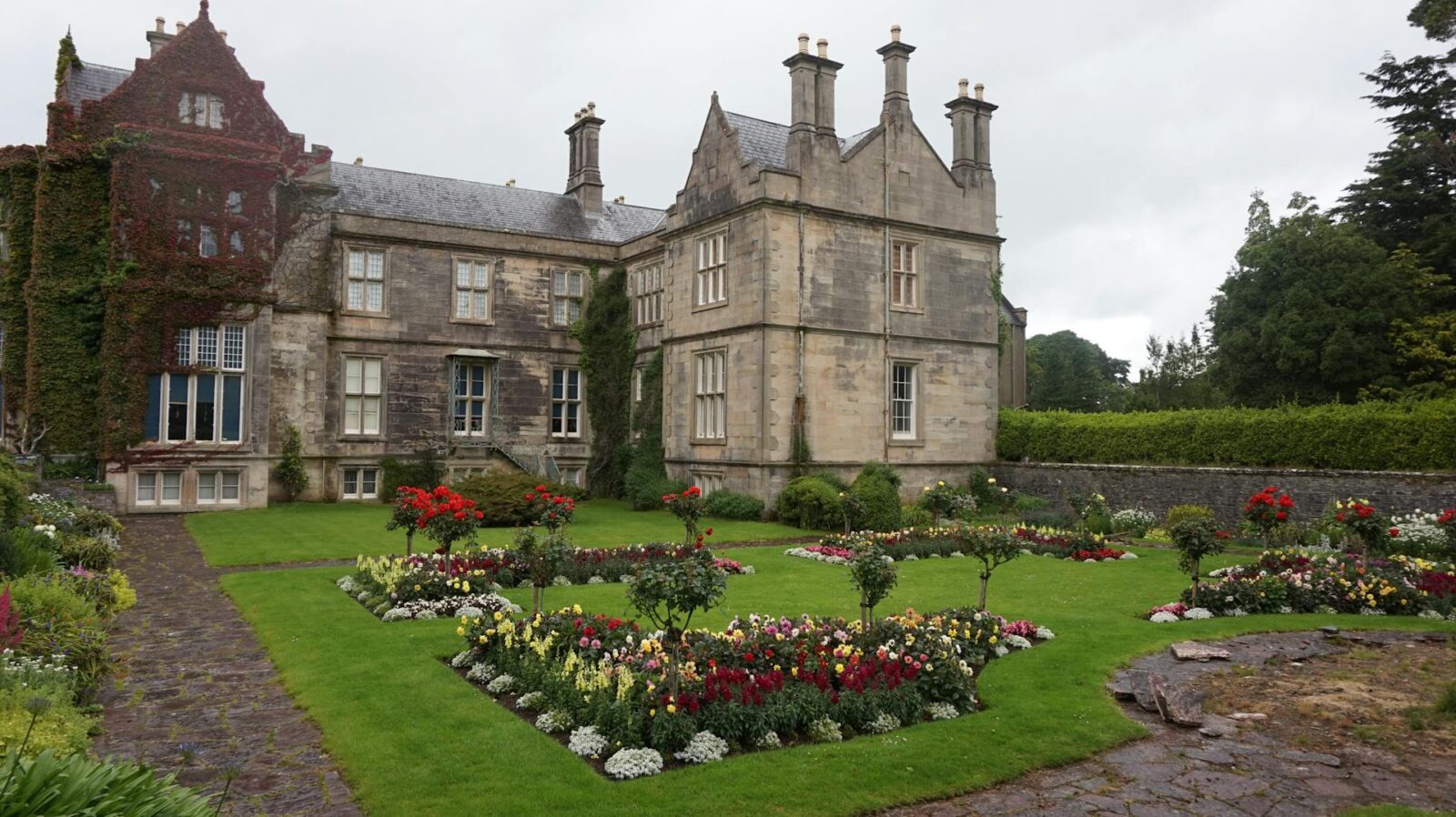
Have you ever wondered why we carefully separate our garden beds from the lawn? That neat divide between soft grass and tidy soil is so common, it’s easy to forget that it’s the result of centuries of garden design. What began as a practical need to contain plants and conserve water eventually became a hallmark of stylish outdoor living. Today, lawn edging is as much about beauty as it is about keeping everything in its place—but its roots run deep.
From Cottage Charm to Everyday Gardens
English cottage gardens, emerging about 400 years ago, were among the first to feature modern garden edging. These small, abundant gardens surrounded homes with herbs, vegetables, and flowers, using rocks, timber, or low hedges to keep the soil in place and grass at bay. Practical and charming, they balanced beauty with function—a style still loved in gardens today.
Ancient Ingenuity in the Sunken Garden
Three to four thousand years ago, some of the earliest examples of edging were known as waffle gardens. Popular in the desert regions of the American Southwest, these were simple, shallow pits framed with clay, rock, or timber that captured water, reduced evaporation, and protected crops. Though not decorative, these early designs showed a clear understanding of the importance of contained garden spaces, demonstrating how structure could improve efficiency and preserve valuable resources in challenging environments.
Using What Was on Hand
Throughout history, people have used readily available materials to create garden edging. For example, in forested areas, wood made a logical boundary, often fashioned into short fences or woven panels. Where stone was abundant, it became a practical and decorative edge, while clay bricks or even living plants were used in other regions. Trees themselves were sometimes planted in straight rows to create formal boundaries between different areas. These materials were more than just functional—they shaped the aesthetics of the garden and reflected local traditions.
Renaissance Gardens Brought Precision and Prestige
During the Renaissance period in Europe, formal gardens became a symbol of elegance and status, with geometrically perfect lawns, sculpted hedges, and grand fountains setting the scene. Edging was used as a statement of control and artistry, with neatly clipped box hedges or stone borders outlining intricate patterns in the grass or dividing one section from another. No longer just a practical boundary, garden edging evolved into an essential element of design, reflecting wealth, sophistication, and meticulous craftsmanship.
Islamic Gardens and the Beauty of Order
In Islamic cultures, gardens were designed as representations of paradise, often featuring square or rectangular layouts divided into quarters by pathways or waterways. With their roots in Persian and Roman garden design, edging was used to clearly define each section, using tiles, stonework, or plantings to guide the eye and emphasise symmetry. The result was a harmonious space where structure brought balance, beauty, and a sense of tranquillity.
Edging Has Always Defined More Than Just Space
From ancient agriculture to modern backyard bliss, edging has always helped shape the way we design, enjoy, and interact with our outdoor spaces. Whether it’s keeping a lawn in check or framing a flowerbed, the idea remains the same—give things a boundary, and the beauty speaks for itself. While styles have changed and materials have evolved, the appeal of a well-defined garden edge has stood the test of time.
Get gorgeous projects via email
