

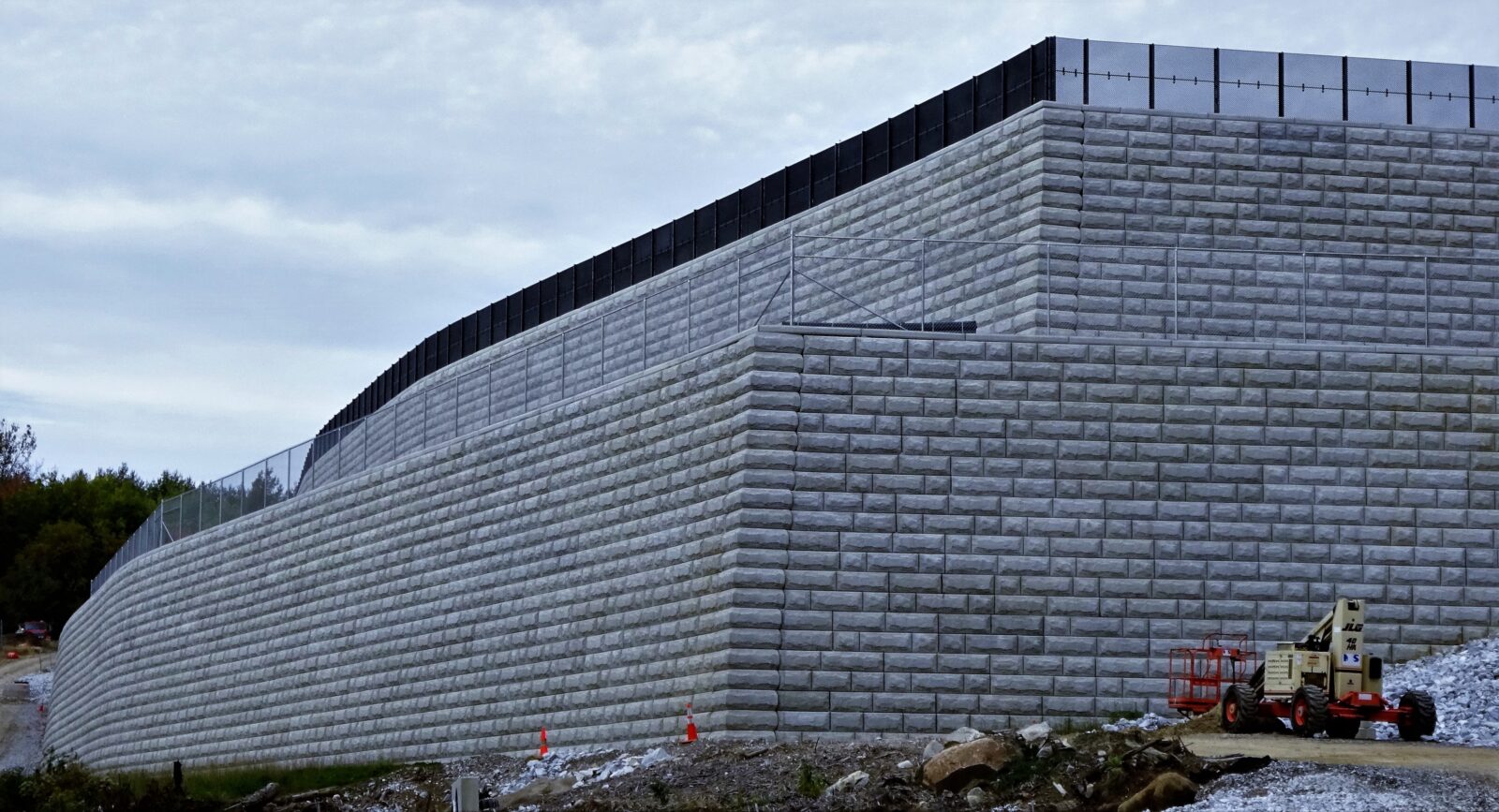
Concrete producers face pressure from every direction right now. Material costs shift often, project bidding has grown more competitive, and customers expect faster turnaround on every order. Many producers respond by adding new products to their lineup instead of chasing volume on the same handful of items. Concrete blocks for retaining walls are one of the most in-demand product additions. Demand goes beyond adding another SKU and creates new business opportunities.
Why Producers Are Looking Beyond Standard Products
Most volumetric and precast operations built their business on a narrow set of products. That approach worked well when demand was stable and competition was less intense. That landscape is shifting, and producers who stick with the same catalog risk losing market share as buyers look elsewhere. Here is what is driving that shift:
- Municipal and DOT work increasingly calls for engineered concrete blocks for retaining walls. Producers with only landscape block or basic units often lose that work to competitors who can supply it.
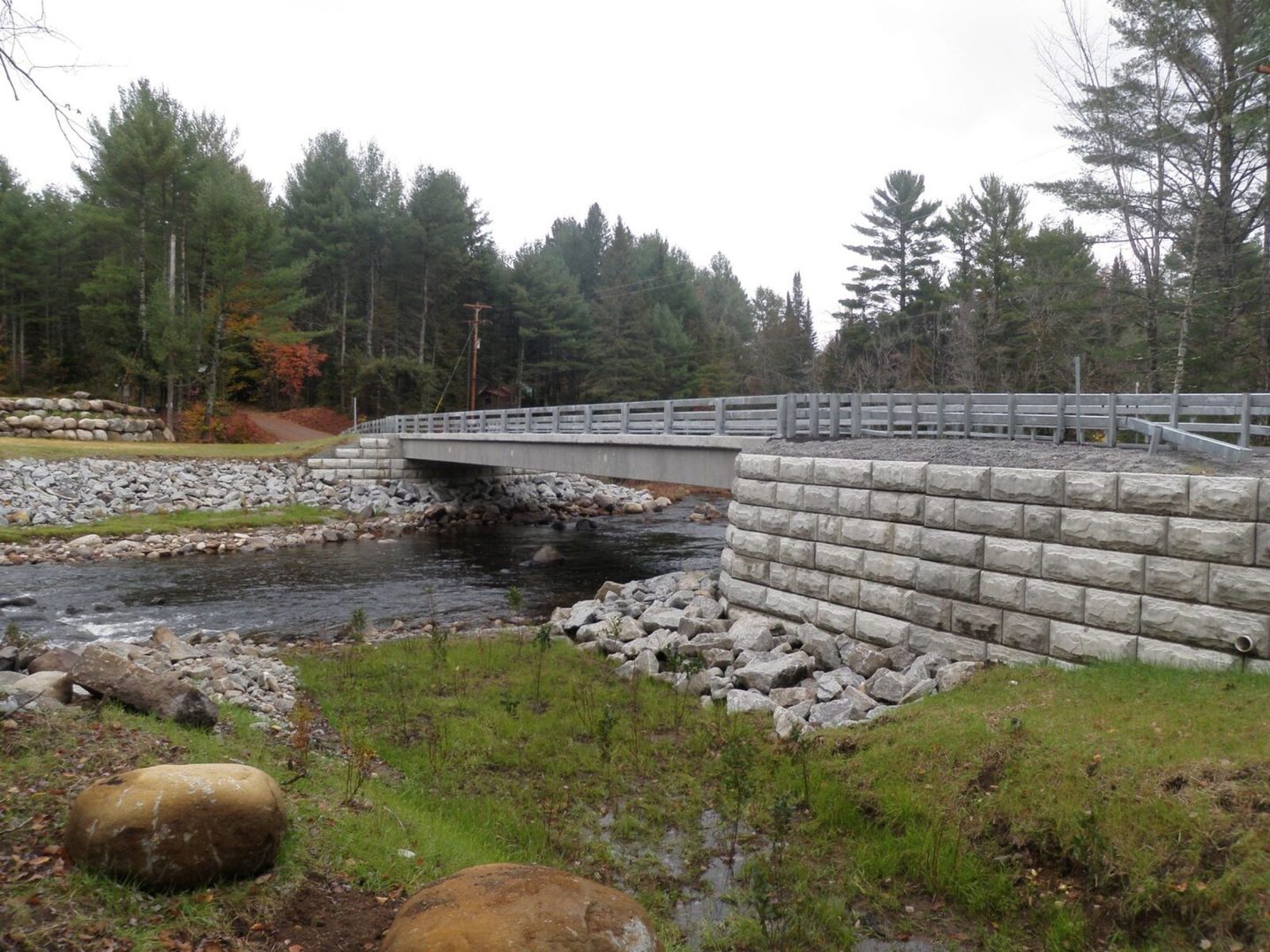
- Bridge abutments, channel linings, and box culvert wing walls all need a block with structural and geotechnical certification, not just a decorative face. Adding a line of concrete blocks for retaining walls lets a producer bid on that work directly. It also smooths out revenue, since heavy civil and DOT projects run on a different bidding calendar than residential landscaping.
 Pin
Producers curious about installation speed, often the first thing a contractor asks about before switching suppliers, can see it firsthand in our installation videos. That firsthand look tends to answer more questions than a spec sheet ever could.
What Diversification Actually Looks Like on the Yard
Adding concrete blocks for retaining walls to your lineup does not usually mean building a new plant. Most of the change happens in a few specific areas, not the whole yard. Producers who understand these areas ahead of time move through the transition with less disruption. A few practical shifts make the biggest difference:
- Most producers use their existing batch equipment and molds designed for the new block size. This keeps the capital outlay reasonable.
- Large block units weigh far more than standard segmental pieces. Producers should confirm they have forklifts or cranes rated for the load.
- Larger units also take up more yard footprint per piece. Storage space needs a second look before the first pour.
Producers who plan for these three shifts tend to have a smoother transition. The equipment and layout changes are minor compared to the new revenue they open up. Most find the casting process barely changes, which keeps the learning curve short for their crew.
Reaching Markets a Standard Product Mix Cannot Touch
Engineers, municipal buyers, and contractors all research and select products. A well-engineered line of concrete blocks for retaining walls gives a producer something new to bring them. Once a producer can point to engineers who commission large retaining wall blocks on public work, they open a channel a decorative-only catalog cannot reach. Contractors reinforce this further, since one who has used the system tends to ask for it by name next time.
 Pin
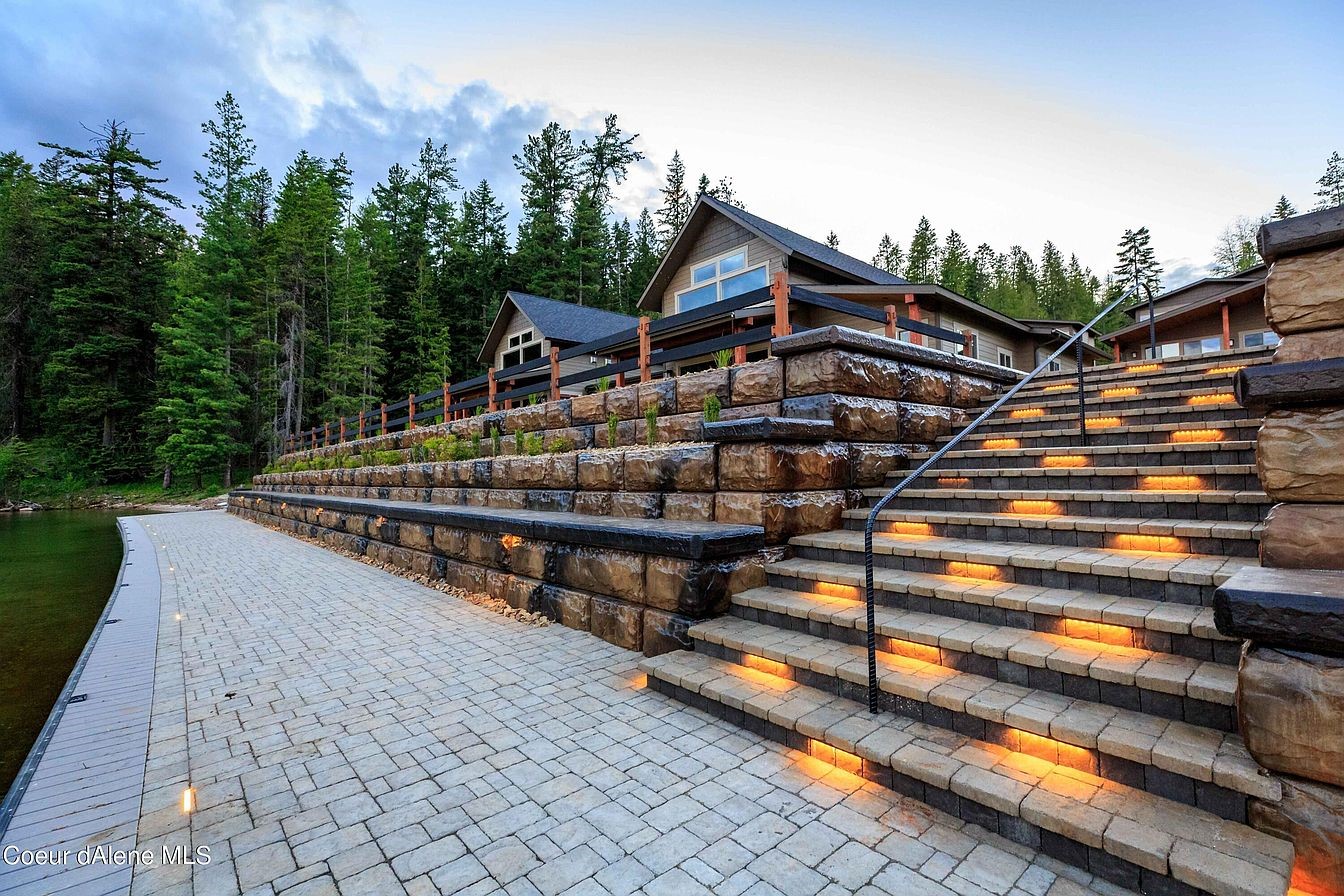
Producers in the western United States have a particular opportunity here. Coverage for large modular block systems thins out west of Nebraska and Colorado. Building credibility in a new market comes down to a few practical moves: share third-party engineering documentation before the first bid, offer sample blocks or a jobsite walkthrough, and point prospects to completed project case studies that show the block performing on real sites. Highlighting aesthetic options that combine natural stone with engineered strength rounds out the pitch for appearance-focused clients.
Getting Started as a New Producer
The path to becoming an approved producer starts with a conversation. You will discuss existing equipment, target markets, and expected order volume. From there, a manufacturer partner walks through mold specifications and any yard adjustments needed. Training on the interlocking connection details and joint tolerances comes next, since consistency in casting keeps the wall performing as engineered. Most producers find this transition faster than expected, since the batching process itself does not change.
New producers can browse the available face patterns and finishes to see the aesthetic options they can offer local contractors. They can also check the current dealer network to spot coverage gaps in their region. It also helps to review how the system supports hybrid gravity and MSE wall designs. That shows the full range of projects a new line of concrete blocks for retaining walls can serve, from simple gravity walls to reinforced structures on taller sites.
Why Producers Choose Stone Strong
Stone Strong built its block system to be fully engineered from the start, both structurally and geotechnically, so producers get documentation already in place rather than piecing together certification later. Our modular design uses simple molds and standard batching methods, letting producers add a new revenue line without overhauling their plant, and we back that up with training, engineering resources, and marketing materials aimed at the engineers and municipalities who choose our system. Several new patented features launching this year expand what our system can do compared to other big block products, giving our producer network an even stronger story to tell.
You know your yard, your equipment, and your markets better than anyone. We know the system and have helped other producers make this exact move, so reach out and let us know where you are today. There is no pressure on that first conversation; just feel free to talk to our team about becoming a Stone Strong producer whenever you are ready.
Get gorgeous projects via email
