

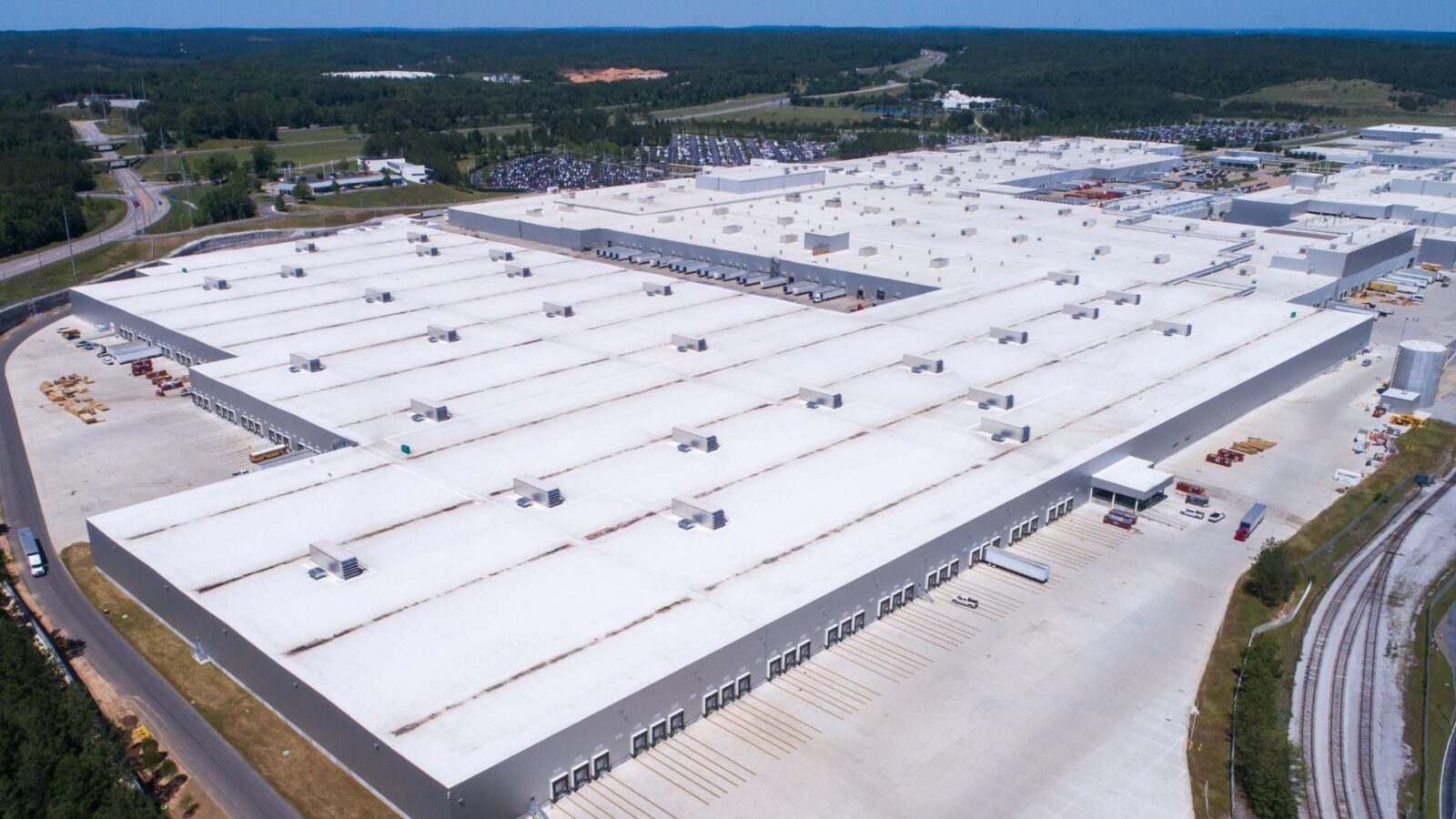
Choosing a commercial roofing system involves more than picking a material off a list. Building size, slope, climate, and budget all shape which system actually makes sense for a given property. Here’s a breakdown of ten common commercial roofing systems and what makes each one different.
1. TPO (Thermoplastic Polyolefin)
TPO is one of the most widely used single-ply membrane systems for flat and low-slope commercial roofs. It’s known for reflecting sunlight, which helps reduce cooling costs in warmer climates, and its seams are heat-welded for a strong, watertight bond. TPO has become popular partly because it balances performance and cost more evenly than some older membrane systems.
2. EPDM (Rubber Roofing)
EPDM is a synthetic rubber membrane that’s been used in commercial roofing for decades. It handles temperature swings well, stays flexible in cold climates, and holds up to UV exposure over a long service life. Because it’s typically black, it absorbs more heat than reflective options like TPO, which matters more in hot climates than cold ones.
3. PVC (Polyvinyl Chloride)
PVC membranes offer strong resistance to chemicals, grease, and punctures, which makes them a common choice for restaurants and facilities with rooftop equipment or exhaust systems. Like TPO, PVC seams are heat-welded, and the material reflects sunlight well. It tends to cost more upfront than TPO but holds up particularly well in demanding environments.
4. Built-Up Roofing (BUR)
Built-up roofing is one of the oldest commercial roofing systems still in use, made from alternating layers of asphalt and reinforcing fabric topped with a protective layer of gravel or a reflective coating. The multiple layers give BUR excellent durability and waterproofing, though it’s heavier and typically more labor-intensive to install than single-ply membrane systems.
5. Modified Bitumen
Modified bitumen combines asphalt with rubber or plastic polymers to improve flexibility and durability compared to traditional built-up roofing. It’s usually installed in rolls, either torch-applied, self-adhered, or hot-mopped, and offers strong resistance to foot traffic, making it a common choice for roofs that need regular access for equipment maintenance.
6. Standing Seam Metal
Standing seam metal roofing uses raised, interlocking seams that hide the fasteners, which improves both its appearance and its resistance to leaks over time. It handles heavy snow and rain well, reflects heat effectively, and typically outlasts many other commercial roofing systems by a significant margin. The higher upfront cost is often offset by a longer service life and lower long-term maintenance needs.
7. Corrugated and Through-Fastened Metal
This style of metal roofing uses exposed fasteners rather than the hidden seams found in standing seam systems, which makes it more affordable to install but requires more frequent maintenance, since fastener gaskets can wear down and need replacement over time.
It remains a popular choice for warehouses, agricultural buildings, and other structures where upfront cost matters more than long-term maintenance simplicity. For buildings weighing metal against a flat membrane system, comparing the tradeoffs of flat versus metal roofing side by side can help clarify which direction fits a specific property best.
8. Green Roofs
A green roof incorporates vegetation and a growing medium over a waterproof membrane, offering insulation benefits, stormwater management, and improved air quality around the building. Green roofs require a more substantial structural design to support the added weight and typically come with a higher upfront investment, but they can meaningfully reduce heating and cooling costs over time.
9. Spray Polyurethane Foam (SPF)
SPF roofing is sprayed directly onto the existing roof surface, creating a seamless, fully adhered layer with strong insulating properties. It’s particularly well suited for roofs with unusual shapes or lots of penetrations, since the spray application conforms to virtually any surface. SPF roofs typically require a protective topcoat that needs periodic reapplication to maintain performance.
10. Shingle and Tile Systems
While less common on large industrial buildings, shingle and tile roofing systems still appear on smaller commercial properties, particularly retail buildings or structures with a steeper slope. These systems tend to be more familiar to install and repair, since they share similarities with residential roofing, though they’re generally better suited to smaller-scale commercial applications than large flat industrial roofs.
Choosing the Right System
The right roofing system depends on a building’s slope, size, climate, budget, and how the roof will be used day to day. A flat industrial warehouse has very different needs than a retail building with rooftop HVAC equipment or a facility in a region with heavy snowfall. Consulting with an experienced commercial roofing contractor helps match a building’s specific requirements to the system that will perform best over its lifespan, rather than defaulting to whatever’s most common in the area.
Final Thoughts
Commercial roofing systems vary widely in cost, durability, and maintenance needs, and there’s no single system that works best for every building. Understanding the tradeoffs between membrane systems, metal, and specialty options like green roofs or spray foam makes it much easier to have an informed conversation when planning a new roof installation or replacement.
Get gorgeous projects via email
