

There is a category of consumer product that exists in a permanent state of compromise. The radio. The thermometer. The wristwatch. The amplifier. These are objects that most manufacturers produce to a cost target rather than a design standard. The housing is plastic. The geometry is whatever the mold allows. The material is whatever is cheapest at the volume required. The object performs its function and contributes nothing else to the space it occupies.
Weekend Works exists because its founders believe this compromise is unnecessary.
The collective was established by former lead hardware designers from Pantech, the South Korean mobile manufacturer that at its peak produced devices requiring engineering tolerances measured in fractions of a millimeter. These were designers whose professional training involved fitting complex PCB layouts, antenna arrays, and thermal management systems into housings that allowed zero gap between components. The discipline was absolute. The margin for error was nonexistent.
When they left the mobile industry, they did not start a phone company. They applied the same engineering discipline to a category of objects that had never received it. The question that animates Weekend Works is deceptively simple: what happens when you design a radio, a thermometer, or a watch with the same material standards and geometric precision that the architecture world applies to a facade or the automotive world applies to a body panel?
Material Honesty as Design Language
The phrase “material honesty” has specific meaning in architecture. It refers to the practice of allowing materials to express their inherent properties rather than concealing them behind veneers, coatings, or decorative treatments. Exposed concrete shows its formwork marks. Steel expresses its joinery. Wood reveals its grain. The material is the aesthetic. Nothing is hidden.
Weekend Works applies this principle to consumer objects with unusual rigor. The Rectangle Thermometer is machined from solid aluminum rather than injection molded from plastic. The material is the finish. The precision of the milling is the detail. The object does not need a decorative surface treatment because the substrate itself is the design. It reads as a piece of machined metal that happens to display temperature, not as a thermometer that has been dressed up to look expensive.
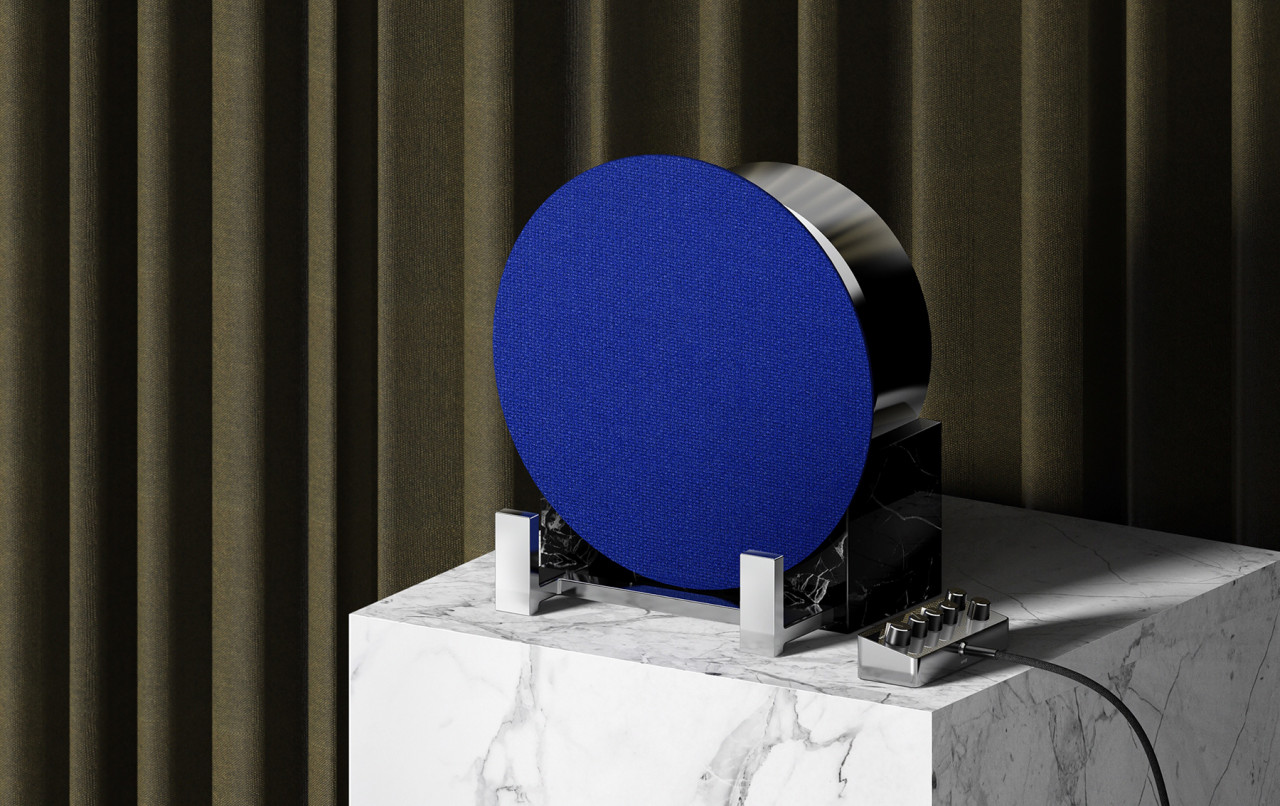
The 3CIRCLES Radio follows the same logic. The form is derived from three intersecting circular volumes. The housing is engineered as a sculptural object that produces sound rather than a sound device that has been given a sculptural form. The distinction matters because it determines the design hierarchy: geometry and material come first, function is resolved within them rather than dictating them.
This is the inversion that makes the practice interesting from a design perspective. Most consumer product design begins with function and adds form. Weekend Works begins with geometric and material intent and resolves function within those constraints, which is precisely how architecture works.
The Horology Work
The collective’s exploration of timepieces represents the most precise application of their design philosophy. The Circle Watch uses a custom milled sapphire crystal with refractive properties that transform the visual experience of reading time. The Dodecagon Watch abandons the conventional round case entirely, building its geometry around a twelve sided form that references the twelve hour cycle without replicating the traditional watch silhouette.
In both cases, the design decisions are structural rather than decorative. The sapphire crystal is not a luxury upgrade. It is a design element that changes how light interacts with the dial. The dodecagonal case is not a novelty shape. It is a geometric solution to the question of how to represent a twelve unit system through form rather than through printed numerals.
This approach to horology has more in common with architectural facade design than with traditional watchmaking. The designers are thinking about how light moves through material, how geometry communicates information, and how an object on a wrist relates to the body the same way a building relates to its site. The watch is not jewelry. It is a small building.
Engineered for Permanence
The concept of “architectural permanence” appears throughout Weekend Works’ design language, and it is not metaphorical. The collective designs objects intended to remain relevant and functional for decades rather than product cycles. The material choices, machined aluminum, solid marble, surgical steel, sapphire crystal, are selected for durability that outlasts the trend cycles that govern most consumer product categories.
The Breeze Guitar Amplifier, the most expensive piece in the current portfolio at $1,250, exemplifies this approach. The amplifier is designed as a permanent acoustic fixture rather than a piece of disposable music equipment. The housing, the component quality, and the acoustic engineering are calibrated for a lifespan measured in decades, not the two to three year replacement cycle that defines most consumer electronics.
This commitment to permanence is what connects the practice to architecture more than to consumer product design. Architects design buildings to last. Weekend Works designs objects to last. The shared principle is that the quality of the materials and the precision of the engineering should ensure that the object improves with age rather than becoming obsolete.
The Practice Model
What makes Weekend Works unusual is not just the objects it produces but the model under which it produces them. The collective operates as a self directed design practice rather than a client services firm or a consumer brand optimizing for volume. The portfolio is curated rather than expanded. Each piece is developed because the collective wants to explore a specific material, geometric, or functional question, not because a market analysis identified a revenue opportunity.
This model is common in architecture, where practices frequently pursue self initiated projects alongside commissioned work. It is rare in consumer product design, where the economics typically require either client commissions or volume sales to sustain a practice. Weekend Works occupies the space between these models, producing commercial objects that are simultaneously design investigations, each one answering a question about how an everyday category can be elevated through engineering precision and material integrity.
The result is a portfolio that reads more like an architectural monograph than a product catalog. Each object exists for a reason beyond commerce. Each one demonstrates a principle. And collectively, they make a case that the everyday objects we live with deserve the same design rigor that we demand from the spaces we live in.
Get gorgeous projects via email
