

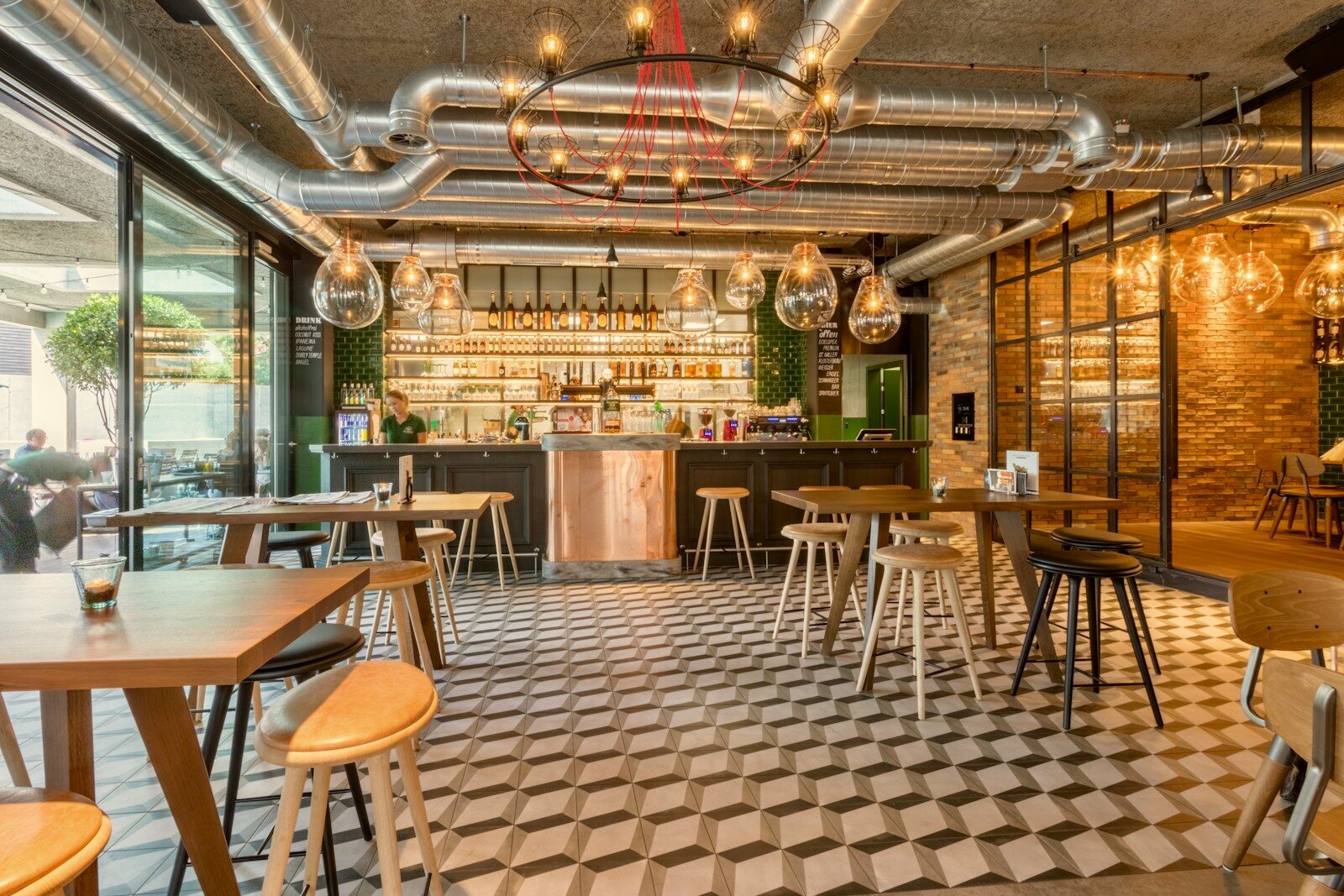
A memorable restaurant experience is about much more than the food on the plate. Guests notice the atmosphere the moment they walk through the door, and the design of the space helps shape their expectations. Everything from the lighting and seating to the colors and decor works together to create an environment that people enjoy and remember.
Excellent food, attentive service, and great restaurant payment processing all contribute to customer satisfaction. Interior design plays an equally important role. A thoughtfully designed dining room can encourage guests to stay longer, return more often, and recommend the restaurant to their friends and family members.
First Impressions Matter
People often form an opinion about a restaurant within seconds of entering it. A clean, welcoming, and attractive space immediately creates a positive impression. Design choices such as comfortable furniture, quality finishes, and tasteful decorations help convey the restaurant’s style and level of service. Whether the goal is casual comfort or fine dining elegance, the interior should match the overall brand.
Encouraging Longer Visits With Added Comfort
When guests feel comfortable, they’re more likely to relax and enjoy their meals. Comfortable seating, pleasant temperatures, and a layout that gives them enough personal space all contribute to a better dining experience. Restaurants also need to think about noise levels. Soft furnishings, ceiling treatments, and thoughtful layouts can reduce echoes and create an environment where conversations are easy without being distracting.
Setting the Mood With Lighting
Lighting has a significant effect on how customers experience a restaurant. Bright lighting works well for casual breakfast and lunch locations while softer lighting often creates a more intimate atmosphere for evening dining. Natural light can also enhance a space during the day, making the restaurant feel open and inviting. The right combination of natural and artificial lighting helps create the desired mood any time of the day.
Improving Service With the Right Layout
Good interior design isn’t just about appearance; it also fosters efficiency behind the scenes. A well-planned layout allows servers to move easily between tables, helps kitchen staff work smoothly, and minimizes unnecessary congestion. When employees can move through a restaurant well, they’re often able to provide faster and more consistent service. Guests benefit as well because they experience fewer delays and a more organized dining environment.
Using Design to Reflect Brand Identity
Every restaurant has its own personality. Some aim for a modern, upscale look while others create a cozy neighborhood atmosphere or celebrate local culture through their decor. Interior design helps tell that story without saying a word. Carefully selected colors, artwork, materials, and furnishings reinforce a restaurant’s identity and create a unique experience that customers remember.
Making a Big Difference With Little Details
Many of the design elements guests appreciate are subtle. Fresh flowers, attractive table settings, quality restrooms, comfortable waiting areas, and well-maintained finishes all contribute to the overall impression a space creates. Even practical features like clear signage, accessible entrances, and organized host stations help create a smoother experience for both customers and employees.
Interior Design: a Worthwhile Investment
Prestigious restaurants understand that interior design isn’t simply about appearance; it’s an investment in the overall guest experience. Beautiful surroundings complement quality food, attentive service, and efficient operations to create an experience that customers value. When every detail works together, guests are more likely to leave with positive memories, return for future visits, and share their experiences with others. That combination of comfort, style, and functionality is one of the reasons successful restaurants continue to make interior design a top priority.
Get gorgeous projects via email
