

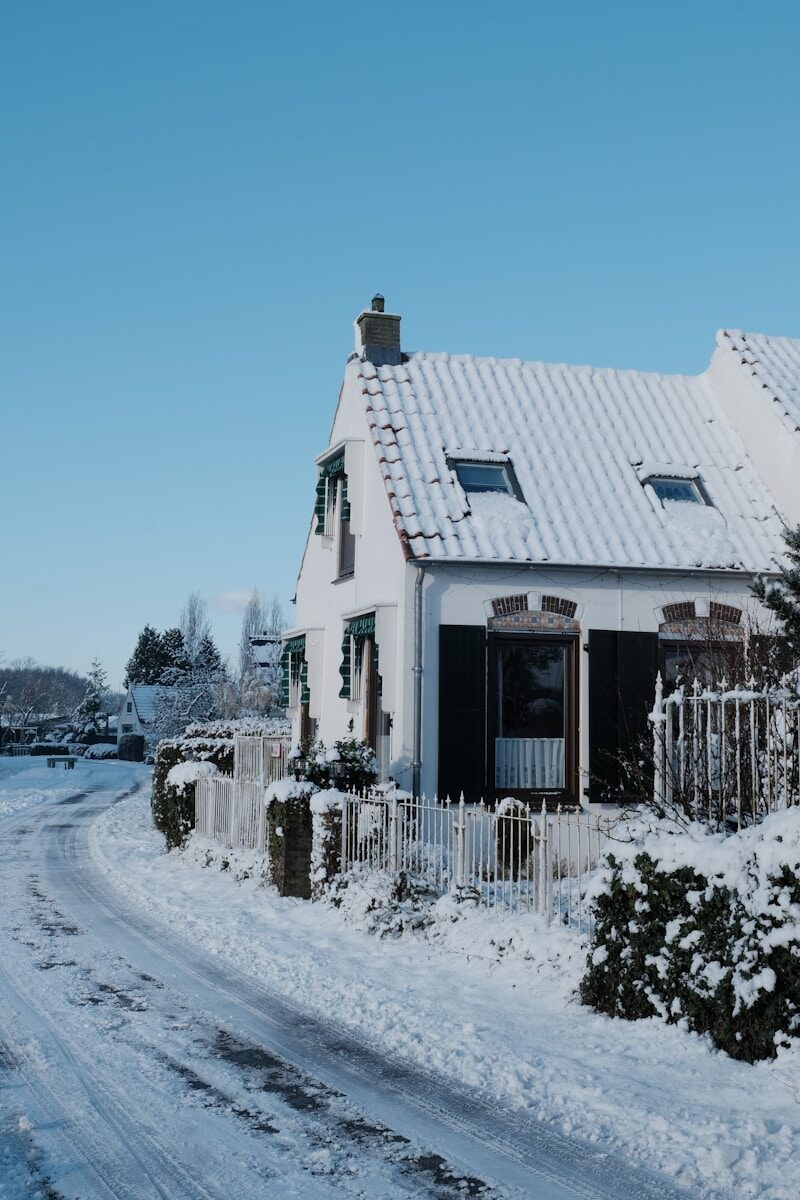
Your home’s exterior faces a battle every single day. From blazing sunlight and heavy rain to freezing temperatures and strong winds, weather continuously affects the materials that protect your property. While many homeowners focus on indoor maintenance, the outside of a home often experiences the most wear and tear. Over time, changing weather conditions can weaken roofing, damage siding, fade paint, and even affect a property’s overall value.
Understanding how weather impacts your home’s exterior condition can help you identify issues early and make smart maintenance decisions before small problems become costly repairs. Let’s explore important ways weather influences the health and appearance of your property.
Weather Damage Can Affect Property Value and House Sale Opportunities
A home’s exterior is often the first thing buyers notice, and weather-related damage can significantly impact both property value and house sale potential. Peeling paint, cracked siding, damaged roofing, and stained driveways may signal poor maintenance, even if the interior is in excellent condition.
According to Empower Home Team, a group of real estate specialists, “Potential buyers tend to associate visible exterior wear with future repair expenses. As a result, homes that show signs of weather damage may attract fewer interested buyers or receive lower offers. Regular maintenance helps preserve both appearance and functionality, making the property more appealing when it’s time to sell.”
Simple steps such as pressure washing, repainting weathered surfaces, replacing damaged trim, and repairing minor roofing issues can make a significant difference. These improvements demonstrate that the home has been cared for properly and can help create a stronger first
Sun Exposure Gradually Wears Down Exterior Materials
While sunshine makes a property look inviting, constant exposure to ultraviolet (UV) rays can slowly damage exterior surfaces. Paint often fades over time, causing colors to lose their vibrancy. Wooden features may dry out, crack, or warp after years of intense sunlight.
Roofing materials are also vulnerable. Prolonged UV exposure can weaken shingles, reducing their effectiveness and shortening their lifespan. Vinyl siding may become brittle, while plastic fixtures and outdoor furniture can discolor and deteriorate.
Rain and Moisture Create Hidden Risks
Rainwater is essential for landscapes, but excessive moisture can create serious problems for a home’s exterior. Water that consistently accumulates around the property may seep into small cracks, causing gradual deterioration of building materials.
Wood is particularly vulnerable to moisture. Prolonged exposure can lead to rot, mold growth, and structural weakening. Paint may blister or peel, while siding can warp if water becomes trapped beneath the surface.
Poor drainage systems often make these issues worse. Clogged gutters and improperly directed downspouts can cause water to pool near foundations, increasing the risk of moisture intrusion.
Wind Can Cause Unexpected Exterior Damage
Strong winds are capable of damaging even well-maintained homes. While major storms receive the most attention, repeated exposure to moderate winds can gradually wear down exterior components over time.
Roof shingles are especially susceptible. Wind can loosen edges, lift materials, or remove shingles entirely, exposing underlying layers to moisture. Siding panels, fencing, and decorative exterior features may also become damaged during high-wind events.
Flying debris presents another concern. Tree branches, outdoor furniture, and loose objects can strike the home and create dents, cracks, or broken windows. Even minor impacts may lead to future water intrusion if left unrepaired.
Freezing Temperatures Put Stress on Exterior Surfaces
Cold weather introduces a unique set of challenges for homeowners. When temperatures drop below freezing, water trapped within small cracks can expand as it turns into ice. This process gradually enlarges cracks and weakens exterior materials.
Concrete driveways, walkways, and foundations are particularly vulnerable. Repeated freeze-thaw cycles can lead to surface deterioration and structural damage. Roofing materials may also suffer as ice forms along edges and prevents proper drainage.
Wooden decks and exterior trim can contract and expand with changing temperatures, potentially causing splitting or warping. These issues often develop slowly and may go unnoticed until significant damage has occurred.
Humidity Encourages Mold, Mildew, and Surface Deterioration
High humidity levels can be just as damaging as direct rainfall. Excess moisture in the air creates favorable conditions for mold, mildew, algae, and other organic growth on exterior surfaces.
These growths often appear on siding, roofs, decks, and shaded areas where moisture lingers. Besides affecting appearance, they can contribute to material deterioration if left untreated. Mold and mildew may also spread to interior spaces if moisture problems become severe.
Humidity can also affect paint performance. Exterior coatings may peel, bubble, or lose adhesion more quickly in consistently damp environments. Wooden structures can absorb excess moisture, increasing the risk of warping and decay.
Seasonal Maintenance Helps Prevent Weather-Related Problems
The best defense against weather-related damage is consistent maintenance throughout the year. Each season presents different challenges, making regular inspections essential for identifying potential concerns before they worsen.
Spring is an ideal time to inspect roofing, gutters, and siding after winter weather. Summer provides opportunities to repaint faded surfaces and address UV-related wear. During autumn, clearing leaves from gutters helps prevent drainage issues before winter arrives. Cold-weather preparations, including sealing cracks and checking insulation, help reduce winter damage.
Get gorgeous projects via email
