

Owning a property is often one of the largest financial commitments a person will make. Whether it is a family home, an investment property, or a portfolio of rental properties, protecting that investment requires more than simply paying the mortgage and collecting rent. Over the years, I have spoken with property owners who only realised the value of regular maintenance after facing costly repairs that could have been prevented with routine inspections and timely upkeep.
Think of a property like a well-maintained vehicle. A car that receives regular servicing tends to run smoothly and retain its value, while neglected maintenance often leads to breakdowns and expensive repairs. The same principle applies to real estate. Consistent property maintenance preserves value, improves safety, enhances comfort, and helps avoid unexpected financial setbacks.
Why Regular Property Maintenance Protects Long-Term Property Value
Property values are influenced by many factors, including location, market conditions, and the building’s physical condition. While owners cannot control market fluctuations, they can control how well their property is maintained.
A property that receives ongoing care is more attractive to buyers, tenants, and valuers. Minor issues such as cracked paint, damaged gutters, or leaking taps may seem insignificant at first. Over time, however, these small concerns can create larger structural and cosmetic problems that reduce market appeal.
Regular maintenance helps:
- Preserve the property’s market value
- Reduce depreciation caused by wear and tear
- Improve buyer and tenant confidence
- Support stronger rental returns
- Extend the lifespan of building materials and fixtures
Properties that appear neglected often raise concerns during inspections, prompting potential buyers or tenants to question what hidden problems may lie beneath the surface.
The High Cost of Delayed Repairs
Many property owners postpone maintenance to avoid immediate expenses. Unfortunately, delaying repairs often results in far greater costs later.
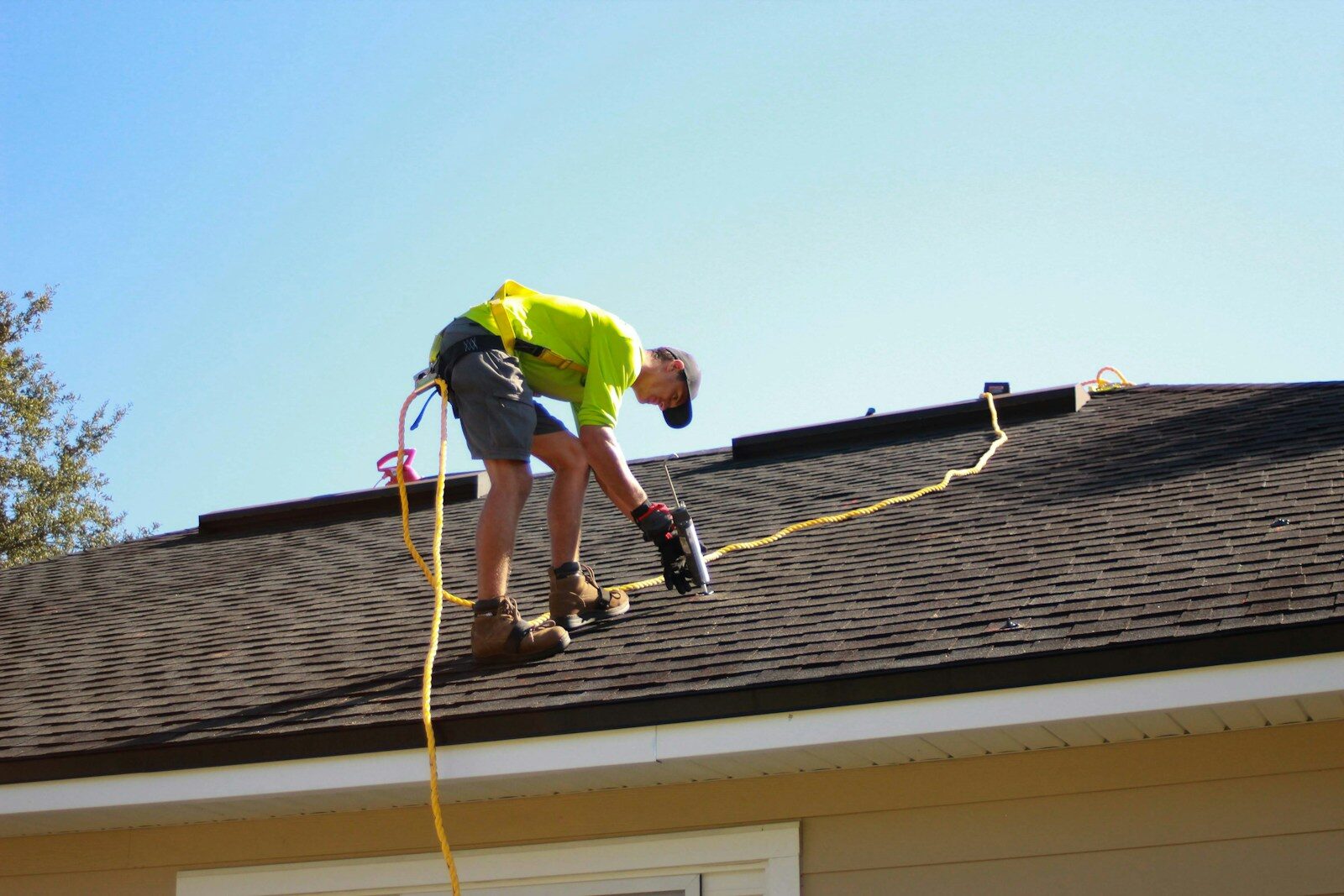
A small roof leak, for example, may initially require a simple repair. If ignored, water can seep into insulation, ceilings, walls, and electrical systems. What started as a minor issue can quickly become a major restoration project involving multiple trades and substantial costs.
Common examples of maintenance issues that escalate include:
- Roof leaks leading to water damage
- Blocked gutters are causing foundation problems
- Cracked seals allowing moisture intrusion
- Faulty plumbing is creating mould growth
- Damaged paving is becoming a safety hazard
Addressing problems early helps property owners maintain control over repair budgets rather than reacting to emergencies.
Creating a Safer Living Environment
Property maintenance is not only about preserving value. It also plays a major role in protecting occupants from potential hazards.
Safety issues often develop gradually and may go unnoticed without regular inspections. Loose handrails, damaged pathways, faulty smoke alarms, and deteriorating electrical systems can all pose serious risks.
Routine maintenance inspections help identify:
- Trip and fall hazards
- Fire risks
- Water damage concerns
- Pest infestations
- Structural weaknesses
A safe property creates peace of mind for homeowners while helping landlords meet their legal obligations to tenants.
Preventing Structural Damage Before It Starts
The structural integrity of a building depends on many interconnected systems working together. Water management, roofing, foundations, drainage, and exterior surfaces all play a role in keeping a property strong and stable.
One of the most effective strategies for preventing structural issues is regular monitoring. Small warning signs often appear long before major damage occurs.
Watch for indicators such as:
- Cracks in walls or ceilings
- Uneven flooring
- Sticking doors and windows
- Water stains
- Sagging rooflines
Early detection allows property owners to address underlying causes before they become extensive structural repairs that affect the property’s long-term value.
Enhancing Curb Appeal and First Impressions
A property’s exterior is the first thing visitors, tenants, and potential buyers notice. First impressions often shape opinions within seconds, making exterior maintenance an essential part of investment protection.
A well-maintained property signals pride of ownership and suggests that the entire building has been properly cared for. Fresh landscaping, clean pathways, well-maintained fences, and high-quality exterior finishes all contribute to a stronger visual appeal.
Routine improvements may include:
- Lawn and garden care
- Pressure cleaning surfaces
- Repairing fences and gates
- Updating outdoor lighting
- Maintaining driveways and walkways
These relatively modest investments can have a meaningful impact on perceived property value.
The Role of Professional Trades in Preventive Maintenance
While property owners can handle some maintenance tasks, many require skilled professionals who can identify hidden issues and perform repairs safely.
For example, regular inspections by a residential electrician in Sydney can help detect outdated wiring, overloaded circuits, and other electrical issues before they pose safety risks or cause costly damage.
Professional tradespeople bring expertise that allows problems to be identified early. Their assessments often uncover developing issues that may not be visible to untrained eyes, helping property owners make informed decisions about future maintenance planning.
Improving Energy Efficiency and Lowering Running Costs
Regular maintenance directly improves energy performance. Efficiently operating buildings are often more comfortable, less expensive to run, and more attractive to tenants.
Simple maintenance measures can deliver noticeable savings over time. Cleaning air conditioning systems, sealing gaps around windows, maintaining insulation, and servicing hot water systems all contribute to reduced energy consumption.
Benefits of improved efficiency include:
- Lower utility bills
- Increased occupant comfort
- Reduced environmental impact
- Better indoor air quality
- Enhanced property appeal
As energy costs continue to rise, efficiency improvements have become increasingly valuable in property ownership.
Protecting Against Weather and Environmental Damage
Australian properties are exposed to a wide range of environmental conditions, including intense sunlight, heavy rain, storms, and fluctuating temperatures. These conditions gradually wear down building materials if maintenance is neglected.
Exterior surfaces require ongoing protection to withstand these environmental pressures. Roofs, gutters, drainage systems, and protective coatings all contribute to a property’s resilience.
Regular inspections following severe weather events can help identify:
- Loose roofing materials
- Water penetration points
- Damaged gutters
- Cracked exterior surfaces
- Landscape erosion
Taking action promptly helps prevent small weather-related issues from becoming larger repair projects.
Why Exterior Maintenance Matters More Than Many Owners Realise
The exterior of a property serves as its first line of defence against the elements. When protective surfaces begin to deteriorate, underlying materials become vulnerable to moisture, UV exposure, and gradual decay.
Maintaining exterior finishes is one of the most effective ways to preserve a property’s appearance and structural condition. Many owners work with experienced painting contractors in Sydney to refresh protective coatings and extend the lifespan of exterior surfaces.
Quality exterior maintenance not only improves appearance but also helps shield timber, masonry, and metal surfaces from premature deterioration. This proactive approach often saves substantial repair costs over the life of the property.
Building a Preventive Maintenance Schedule
One of the most effective ways to protect a property investment is by creating a structured maintenance schedule. Rather than waiting for issues to arise, a preventative plan keeps maintenance consistent throughout the year.
A practical maintenance schedule may include:
Monthly Tasks
- Check smoke alarms
- Inspect plumbing fixtures for leaks
- Test security systems
- Review outdoor lighting
Quarterly Tasks
- Clean gutters and downpipes
- Inspect roofing components
- Check drainage systems
- Service air conditioning units
Annual Tasks
- Conduct building inspections
- Review exterior paintwork
- Inspect electrical systems
- Assess landscaping and tree growth
Following a maintenance calendar helps property owners stay ahead of potential problems and budget more effectively.
The Impact of Maintenance on Rental Properties
For landlords, regular maintenance offers benefits that extend beyond preserving asset value. Well-maintained properties tend to attract higher-quality tenants and encourage longer tenancy periods.
Tenants are more likely to care for a property when the owner clearly maintains it. Prompt repairs also strengthen landlord-tenant relationships and may reduce vacancy periods.
A proactive maintenance strategy can support:
- Higher rental demand
- Better tenant retention
- Reduced vacancy rates
- Fewer emergency repairs
- Improved property reputation
In competitive rental markets, property condition often becomes a key differentiator.
Conclusion
Property ownership is a long-term commitment, and every maintenance decision contributes to the future performance of that investment. Small issues rarely stay small when left unattended. Regular inspections, timely repairs, and preventative maintenance help preserve property value, improve safety, reduce long-term costs, and create a more enjoyable living environment.
Whether you own a family home or manage multiple investment properties, adopting a proactive maintenance strategy is one of the smartest ways to protect your assets. Consistent care today can prevent expensive surprises tomorrow while helping your property remain attractive, functional, and valuable for years to come.
FAQs
How often should property owners schedule maintenance inspections?
Most properties benefit from a structured inspection schedule that includes monthly checks, quarterly maintenance reviews, and annual professional assessments. The exact frequency depends on the property’s age, condition, and exposure to environmental factors. Regular inspections help identify developing issues early, allowing owners to address concerns before they become expensive repairs that affect property value and occupant safety.
Why should I hire painting contractors in Sydney instead of handling exterior painting myself?
Professional painting contractors in Sydney have the experience, equipment, and product knowledge to prepare surfaces and apply protective coatings that last properly. They can identify hidden damage, recommend suitable materials, and complete work safely. Professional painting often delivers longer-lasting results, better protection against weather exposure, and improved curb appeal, which supports property value over time.
How can painting contractors in Sydney help protect my property investment?
Experienced painting contractors in Sydney do more than improve appearance. They help protect exterior surfaces from moisture, UV exposure, and environmental wear. High-quality coatings act as a barrier against deterioration, reducing the risk of costly repairs. Regular repainting as part of a maintenance plan can extend the lifespan of building materials and maintain a property’s overall condition.
What signs indicate it’s time to contact painting contractors in Sydney?
Peeling paint, fading colours, bubbling surfaces, cracks, exposed timber, and moisture damage are common signs that professional attention may be needed. Painting contractors in Sydney can assess the condition of exterior and interior surfaces and recommend appropriate solutions. Addressing these issues early can prevent further deterioration and maintain the property’s protective barriers.
How do I choose reliable painting contractors in Sydney for my property?
When selecting painting contractors in Sydney, review their experience, licensing, insurance coverage, and customer feedback. Ask for examples of previous projects and detailed written quotes. A reputable contractor will explain their preparation process, materials, project timeline, and warranty options. Taking time to choose the right professional can lead to better artistry and longer-lasting results.
Get gorgeous projects via email
