


Native and ornamental plants do more than fill a space. They can define a landscape’s personality while supporting important ecological functions. When professionals choose species that thrive locally and pair them with strong design intent, the result feels thoughtful and cohesive. Ornamental plants add structure and seasonal charm that keeps landscapes interesting all year.
Landscape professionals know that every plant choice affects how a garden, park, or urban space feels. Native species selected for their form, texture, and seasonal traits enhance the impact of ornamental plants. Thoughtful pairings turn simple plantings into visually engaging, ecologically smart, and long-lasting designs.
Enhancing Form, Texture, and Seasonal Color with Ornamental Plants
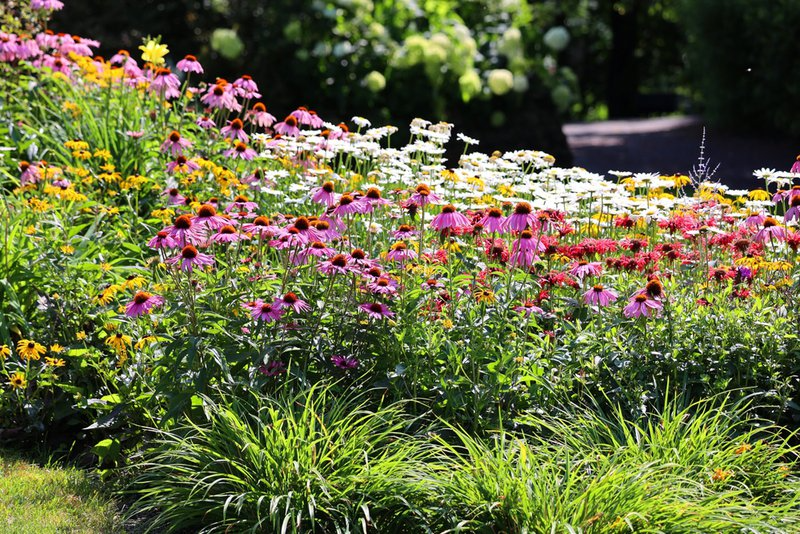
Landscape projects come alive when plants are chosen not just for survival but also for their visual qualities. Native plants offer a variety of shapes, from upright stems to soft mounds, which contrast beautifully with ornamental plants. This variety adds depth and keeps the eye moving through the landscape while supporting both aesthetic and ecological goals.
 Pin
PinMany native species also bring vibrant seasonal changes, from bright spring blooms to warm autumn tones that echo the local character. Because these plants are adapted to their home regions, they often need less water and fewer interventions once established. Research shows that container-grown native plants perform consistently and hold their form and texture reliably in designed spaces.
Pairing ornamental plants with natives creates opportunities to mix leaf shapes, flower forms, and colors. When done right, this approach transforms ordinary grounds into expressive outdoor rooms that evolve throughout the year. Professionals can use these strategies to guide the eye and create a sense of flow across planting schemes.
Strategic Placement Drives Design Flow
Site planning directly affects how plantings are perceived, guiding movement and enhancing visual interest. Designers can influence the experience of the visitor through proper placement of both native and ornamental plants. Proper positioning ensures pathways, focal points, and plant groupings feel intentional and harmonious.
Consider these five ways to use strategic placement to improve design flow:
Arrange clusters of native grasses to guide sightlines toward seating areas or architectural highlights.
Place mid-height ornamental plants near transitions to provide seasonal bursts of color and interest.
Use taller native shrubs to frame outdoor rooms and define distinct landscape zones.
Layer shorter ornamentals in front of structural natives to create depth and visual rhythm.
Position plant masses along primary circulation paths to reinforce movement and cohesion.
The right placement of ornamental plants and natives ensures continuity and flow across all landscape spaces. Designers achieve engaging, functional, and visually appealing landscapes when spacing and layering are intentional.
Visual Principles Supported by Plant Choice
Native and non-native ornamental plants provide essential tools for creating engaging and balanced landscapes. Using repetition, contrast, and variation strategically strengthens visual uniformity across planting schemes. Professionals can leverage plant selection to guide attention and emphasize focal areas naturally.
Here are five ways plant choice supports strong visual principles:
Vary heights by combining low-growing ornamentals with taller native shrubs to create eye movement.
Use contrasting textures between native foliage and ornamental plants to add depth and interest.
Select complementary colors to highlight focal points and guide seasonal transitions effectively.
Group plant masses strategically to reinforce symmetry, balance, and circulation through the landscape.
Repeat specific native or ornamental plants to establish rhythm and unify different areas visually.
Selecting ornamental plants alongside natives ensures landscapes are both aesthetically pleasing and functional. Applying these principles consistently enhances professional designs while maintaining long-term visual integrity.
Blending Natives and Ornamental Plants for Dynamic Compositions
Even small spaces benefit when native plants are paired with compatible ornamental plants. Natives often provide a reliable framework with predictable growth and adaptability. Non-native ornamentals add pops of color and seasonal interest within that framework.
Blending plant types works best when bloom timing, foliage contrast, and growth habits are considered. Complementary species maintain interest across the seasons. Research shows that container-grown native plants improve survival and performance, supporting landscapes that are both attractive and sustainable.
Designers frequently work with plants suited for the Northeast and Mid‑Atlantic regions, where palettes overlap. Native perennials, grasses, and shrubs mix with carefully chosen ornamental cultivars to maintain balance. Proper blending keeps landscapes lively while lowering maintenance over the long term.
PinPlanning for Longevity and Practical Success
Healthy landscapes start with smart planning and plant knowledge. Professionals evaluate site conditions such as light, moisture, and soil before making selections. Matching plants to ideal conditions reduces stress and helps them thrive for years.
Choosing plants carefully also minimizes replacements and reduces inputs like watering. Native species are often hardy once established, creating durable compositions. Ornamentals selected for performance complement natives without increasing maintenance demands.
Anticipating plant growth and interactions over time safeguards visual integrity. Professionals forecast plant maturity sizes, spacing needs, and seasonal changes to avoid overcrowding. This foresight supports resource-efficient landscapes that remain functional and beautiful.
Elevating Landscapes with Purposeful Plant Choices
Seeing ornamental and native plants as intentional design tools adds depth, movement, and ecological intelligence to landscapes. Designers who balance structure with expression create spaces that keep users engaged throughout the year. Thoughtful plant selection supports landscapes that are both striking and resilient.
At Pleasant Run Nursery, professionals can find high-quality native and ornamental plants suited for large-scale installations. These options support ecological and aesthetic goals, helping create landscapes that are both beautiful and durable. Explore their selection to discover plants that combine performance, design, and long-term success.
Get gorgeous projects via email
