


In the evolving landscape of modern architecture, where sustainability meets resilience and aesthetic innovation, fiber cement exterior panels have emerged as a transformative material. These versatile panels, composed of cement reinforced with cellulose fibers, offer a compelling blend of durability, low maintenance, and design flexibility that aligns perfectly with the demands of today’s built environment. Particularly in Canada, where buildings must withstand extreme weather—from biting winters in the Prairies to humid summers along the coasts—fiber cement cladding solutions are gaining traction among architects and builders seeking long-term performance without compromising on style.
The shift toward fiber cement exterior panels reflects broader trends in futuristic architecture: materials that not only endure but also contribute to energy efficiency and environmental responsibility. In urban centers like Toronto’s bustling downtown or Vancouver’s waterfront developments, these panels are redefining facades, providing sleek, modern lines that integrate seamlessly with glass and steel elements. As Canadian cities expand and renovate older structures, the adoption of durable exterior cladding options like fiber cement is accelerating, driven by the need for buildings that stand strong against climate challenges while embracing forward-thinking design.
Why Fiber Cement is Shaping the Future of Building Envelopes
Fiber cement exterior panels stand out for their exceptional properties in harsh climates. Unlike traditional wood siding, which can warp or rot under moisture, or vinyl that may fade and crack in freeze-thaw cycles, fiber cement maintains structural integrity over decades. In regions such as Ontario and British Columbia, where energy-efficient renovations are prioritized, these panels help reduce heat loss, contributing to lower utility costs for homeowners and commercial property owners alike.
One key advantage lies in fire resistance—a critical factor in wildfire-prone areas like parts of Alberta and interior British Columbia. Fiber cement panels are non-combustible, often achieving high ratings under Canadian standards, providing an added layer of safety for residential and multi-family developments. This makes them a preferred choice for architects designing mixed-use buildings in growing suburbs around Calgary or Edmonton, where blending urban density with natural surroundings demands materials that prioritize both form and function.
Sustainability is another pillar driving their popularity. With growing emphasis on low-carbon construction, fiber cement incorporates recycled content in many formulations and requires minimal upkeep, extending building lifespans and reducing waste. Recent data indicates that cladding markets in Canada are projected to grow at over 7% annually through the coming years, with fiber cement playing a significant role due to its eco-friendly profile and alignment with green building certifications.
 Pin
PinMaterial Composition and Performance in Canadian Conditions
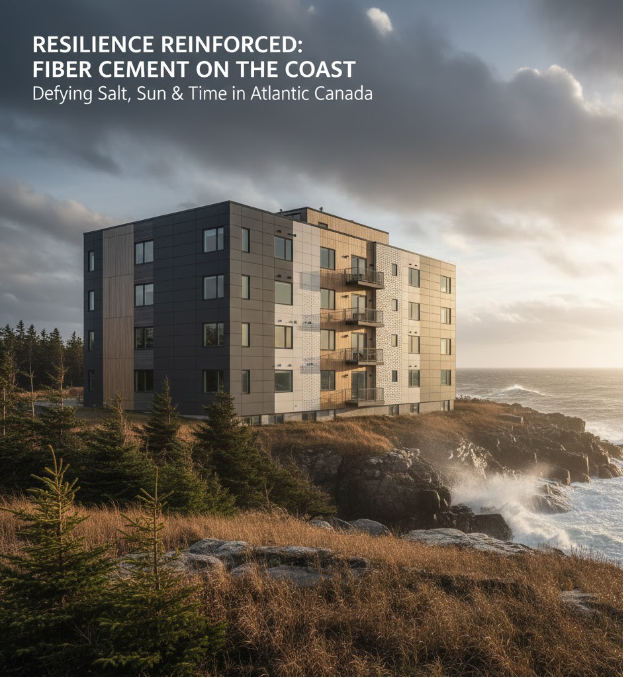
At its core, fiber cement is a composite that balances strength and flexibility. The blend of Portland cement, sand, and cellulose fibers creates a dense yet lightweight panel capable of resisting impact, UV degradation, and pest infestation—issues that plague many alternative sidings. In coastal provinces like Nova Scotia or Newfoundland, where salt air accelerates corrosion, fiber cement’s inherent resistance ensures facades remain pristine longer than metal alternatives might.
Installation versatility further enhances its appeal. Available in planks, sheets, or textured boards, these panels can mimic natural materials like wood grain or stone while offering superior weatherproofing. For projects in Quebec’s historic districts, where preserving heritage aesthetics is key, pre-finished fiber cement options allow for authentic reproductions that meet modern code requirements for insulation and ventilation.
Statistical insights underscore this reliability: upgrades involving durable cladding like fiber cement can improve a building’s energy performance by up to 20% in colder zones, according to industry analyses of Canadian homes. This is particularly relevant in the Greater Toronto Area (GTA), where rapid urbanization calls for materials that support denser, more efficient structures without frequent repairs.
Design Innovations and Aesthetic Possibilities
Futurist architecture thrives on materials that enable bold expressions, and fiber cement delivers here too. Contemporary designers are experimenting with perforated patterns for ventilated rainscreens, colored coatings for vibrant accents, or smooth finishes for minimalist volumes. In Vancouver’s innovative eco-districts, fiber cement panels often feature in dynamic facades that respond to light and shadow, creating ever-changing visuals.
The material’s adaptability shines in hybrid applications—pairing with glazing for curtain walls or as accents on timber-framed homes in the Rockies. Architects appreciate the range of thicknesses and sizes, allowing for seamless integration in everything from single-family residences in Ottawa’s suburbs to high-rise envelopes in Montreal.
Beyond visuals, acoustic benefits make fiber cement ideal for noise-sensitive locations, such as near highways in the GTA or airport proximities in Halifax. Combined with proper detailing, these panels contribute to quieter interiors, enhancing occupant well-being in line with wellness-focused design trends.
 Pin
PinSustainability and Long-Term Environmental Impact
As Canada advances toward net-zero goals, building envelopes play a pivotal role. Fiber cement exterior panels support this by offering excellent thermal mass and compatibility with insulation systems, helping structures meet or exceed Energy Step Code requirements in provinces like British Columbia. Their longevity—often warrantied for 30-50 years—means fewer replacements, lowering embodied carbon over a building’s life cycle.
In renovation projects across older stock in cities like Winnipeg or Regina, where many homes predate modern efficiency standards, retrofitting with fiber cement cladding has shown to cut energy consumption significantly. Broader market trends project steady growth, with fiber cement segments benefiting from incentives for sustainable materials.
Installation Considerations and Best Practices
Proper installation is crucial for maximizing performance. Ventilated rainscreen systems, common in wet climates like the Pacific Northwest, allow moisture escape while preventing condensation buildup. Professional detailing around windows, doors, and junctions ensures airtight seals, vital for Canada’s variable weather.
For larger commercial projects in Edmonton or Saskatoon, pre-fabricated panel systems speed construction, reducing on-site waste and labor. This modular approach aligns with futuristic prefab trends, enabling faster occupancy in growing markets.
Case Studies: Fiber Cement in Canadian Contexts
While specific projects vary, the material’s use in mid-rise residential towers in Toronto demonstrates its scalability—facades that blend industrial chic with residential warmth. In Calgary’s beltline district, developments incorporate textured fiber cement for tactile interest amid glass-dominated skylines.
Coastal applications in Victoria highlight resistance to marine environments, preserving sharp edges and colors against relentless wind and rain.
Maintenance and Lifecycle Advantages
One of the most appealing aspects is minimal upkeep. Periodic cleaning suffices, with no need for painting or sealing in many pre-finished variants. This low-maintenance profile suits busy urban lifestyles in Montreal or remote rural builds in Northern Ontario.
Over time, the investment pays off: extended durability translates to stable property values, especially in competitive markets like Vancouver where curb appeal drives premiums.
 Pin
PinThe Future Outlook for Fiber Cement in Architecture
Looking ahead, innovations in fiber cement—such as integrated photovoltaics or self-cleaning surfaces—promise even greater integration with smart building tech. As Canadian architecture pushes boundaries in resilience and sustainability, these panels are poised to remain at the forefront.
In summary, fiber cement exterior panels represent a practical yet visionary choice, bridging current needs with tomorrow’s demands in a climate as demanding as Canada’s.
Frequently Asked Questions
What makes fiber cement exterior panels suitable for Canadian weather?
Their composition provides excellent resistance to moisture, freeze-thaw cycles, and temperature extremes common across provinces, ensuring long-term stability without warping or degradation.
How do fiber cement panels contribute to building sustainability?
They often include recycled materials, offer superior insulation support, and have extended lifespans that reduce replacement frequency and overall environmental impact.
Are fiber cement panels fire-resistant?
Yes, they are typically non-combustible and meet stringent Canadian fire safety standards, making them a reliable option for enhanced protection.
What design options are available with fiber cement cladding?
A wide range including textures, colors, and finishes that can emulate wood, stone, or smooth modern surfaces, allowing flexibility in contemporary architectural expressions.
Get gorgeous projects via email
