

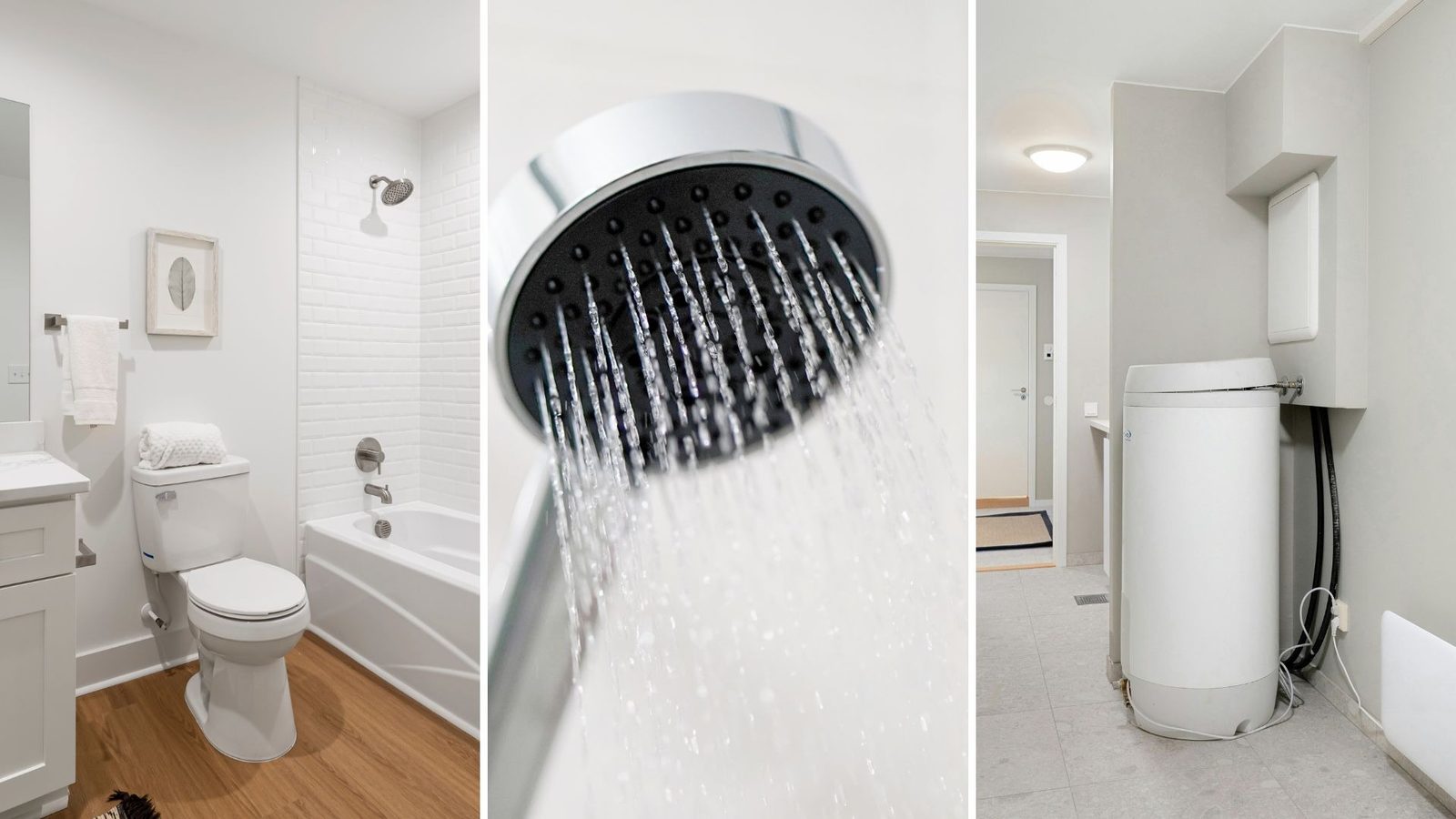
Kitchens and curb appeal get most of the attention when people talk about home value. Plumbing rarely makes the list. That is a mistake. Buyers and home inspectors look closely at what is behind the walls. Old pipes, a tired water heater, or a leaky fixture can turn a good showing into a tough negotiation.
The good news is that many plumbing upgrades are affordable. Some lower your utility bills the day they are installed. Others protect your home from costly water damage. Here are ten upgrades worth considering, whether you plan to sell soon or stay for years.
1. Water Efficient Toilets
Older toilets can use as much as 6 gallons per flush. Modern models use far less. According to the EPA, replacing old toilets with WaterSense labeled models can cut toilet water use by 20 to 60 percent. That adds up to nearly 13,000 gallons a year for a typical home.
Buyers like seeing newer toilets. They signal a home that has been cared for. They also come with real savings on the water bill.
2. Low Flow Showerheads and Faucets
This is one of the cheapest upgrades on the list. Standard showerheads use 2.5 gallons per minute. WaterSense labeled showerheads use no more than 2.0. The EPA estimates the average family could save about 2,700 gallons a year by making the switch, along with the energy needed to heat that water.
Newer models are also much better than the weak trickle people remember. Many homeowners can swap them in a few minutes.
3. A Newer Water Heater
A water heater that is 10 to 15 years old is a red flag for many buyers. It is out of sight, but it is one of the most expensive appliances to fail. When one goes, it can leak, flood a basement, or leave a household without hot water.
Replacing an aging unit before it fails gives you control over the timing and the cost. You can choose a standard tank or a tankless model, depending on your household size and budget. Either way, a newer unit often runs more efficiently and comes with a fresh warranty. That is a nice selling point.
4. Updated Pipes and Supply Lines
Some older homes still have galvanized steel pipes or other materials that wear out over time. These can corrode inside, reduce water pressure, and cause discolored water. Inspectors often flag them, and some insurers ask questions about them.
This is not a weekend project. Replacing pipes means opening walls and working with water lines. A professional plumber can help you find out what material your pipes are, what condition they are in, and whether a full or partial replacement makes sense. Updated pipes give buyers peace of mind, and they protect the rest of your home.
5. A Sump Pump With Battery Backup
If your home has a basement or crawl space, a working sump pump is a must. A backup system is even better. Storms often cause power outages, and that is exactly when a sump pump is needed most.
A battery backup keeps the pump running when the power goes out. A dry basement is a major selling point. It also keeps finished spaces, storage, and mechanicals safe from water.
6. A Water Softener or Conditioning System
Hard water leaves chalky buildup on faucets, shower doors, and dishes. Over time, it can also build up inside pipes and appliances. A water softener helps reduce this buildup, which can protect fixtures and extend the life of your water heater.
Not every home needs one. If you see white crust on your faucets or spots on clean glasses, it may be worth having your water tested first.
7. Smart Leak Detectors and Shutoff Valves
Water damage is among the most common and costly home problems. Small sensors can catch it early. You place them near the water heater, under sinks, and by the washing machine. When they sense moisture, they send an alert to your phone.
An automatic shutoff valve goes a step further. It can stop water flow to the whole house when a leak is found. These upgrades are modern and practical. They also appeal to buyers who want to avoid surprise repairs.
8. Frost Free Outdoor Spigots
In cold climates, regular outdoor faucets can freeze and burst. The damage often goes unnoticed until spring, when water starts leaking inside a wall. Frost free spigots are built to reduce that risk. The valve sits deeper inside the house, where it stays warmer.
This is an easy way to prevent a big headache. Pair it with the habit of disconnecting hoses before the first freeze.
9. A Quality Kitchen Faucet and Sink
The kitchen is where buyers spend a lot of their time looking. A new faucet is a small change that makes a noticeable difference. Pull down sprayers, touchless controls, and deep single basin sinks are all popular.
Quality matters here. Cheap fixtures often drip or wear out in a year or two. A solid faucet will last and keep working well. If the sink and plumbing underneath are in good shape, the upgrade looks clean from top to bottom.
10. Repair the Small Stuff
Not every upgrade has to be new. Fixing what is already broken counts too. A dripping faucet, a running toilet, a slow drain, or a shower that takes forever to heat up can all send a message to buyers. They suggest a home that has not been maintained.
Walk through your house and make a list. Check every sink, tub, and toilet. Small repairs are usually cheap. They can also stop minor problems from turning into big ones.
How to Decide What to Do First
You do not need to do everything at once. A simple order can help:
- Fix leaks and safety problems first. These protect your home and your budget.
- Replace aging equipment next. Water heaters and sump pumps are best handled before they fail.
- Add water saving fixtures. They are low cost and start paying you back right away.
- Finish with visible upgrades. Faucets and sinks can wait until the essentials are covered.
A Quick Word on DIY
Some of these jobs are simple. Swapping a showerhead or placing leak sensors is easy for most homeowners. Others, like pipe work, water heater installation, or sump pump systems, need experience and the right tools. Mistakes can cause leaks, code problems, or safety risks. When in doubt, call in a pro.
Final Thoughts
Plumbing upgrades may not be flashy. But they are some of the smartest improvements you can make. They protect your home, lower your bills, and give buyers confidence. Start with a walk through your house. Note what is old, worn, or leaking. Then work through the list one step at a time. A little attention to what is behind the walls will pay off.
Get gorgeous projects via email
