

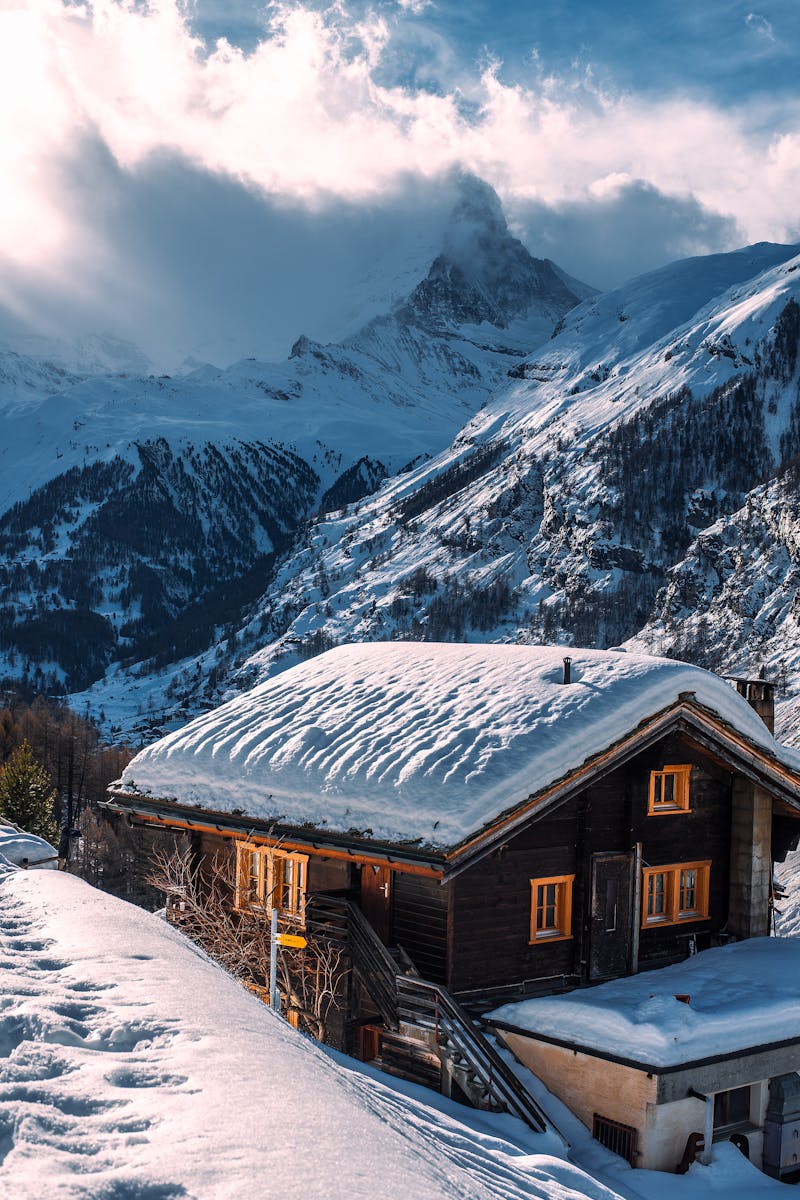
When winter’s chill descends, one of the biggest threats to building durability and comfort isn’t just the cold itself—it’s moisture and condensation buildup inside walls and ceilings. Left unaddressed, condensation can trigger mold, rot, uncomfortable drafts, and higher heating costs. Thankfully, with the right insulation solutions and attention to building science fundamentals, harsh winter moisture risks can be controlled—even in the coldest climates.
Why Moisture and Condensation Are Critical Winter Concerns
Condensation forms when warm, humid indoor air meets colder surfaces, like the inside face of exterior walls or roof sheathing. In winter, this risk is supercharged: heated interiors, steamy showers, and cooking all raise indoor humidity. As this moist air contacts cold structural surfaces, it cools below its dew point and releases water—potentially leading to mold, mildew, soggy insulation, and long-term damage. This is particularly pronounced in tightly built, energy-efficient homes, which can trap moist air unless it is appropriately managed.
The Role of Insulation in Moisture Management
Proper insulation does more than keep heat inside. It buffers against surface temperature swings, making it far less likely that interior surfaces will fall below the dew point and condense moisture. The best strategies combine continuous exterior insulation, careful vapor management, and airtight sealing to prevent moisture from entering and allow trapped vapor to escape in a controlled manner. Let’s break down the steps that matter most:
Install Continuous Exterior Insulation
Adding a layer of rigid foam or mineral wool insulation outside the wall framing (“the perfect wall” concept) moves the dew point outward—keeping interior sheathing and stud faces much warmer, even on the coldest nights. With this setup:
- Exterior rigid insulation blocks thermal bridges (cold spots where condensation would otherwise form).
- The wall framing and interior sheathing never become cold enough—under typical use—to condense water from indoor air.
- This approach is compelling for new construction and retrofits in cold climates.
If you’re tackling a project like insulation for steel buildings, exterior insulation is essential, since steel rapidly conducts cold and can otherwise foster persistent condensation.
Use High-Performance Air Barriers
While vapor diffusion matters, bulk moisture is far more likely to enter wall assemblies through air leaks; that’s why continuous, well-sealed air barriers—applied over exterior sheathing or inside drywall—are essential. Every window, outlet, and joint should be meticulously sealed to prevent warm, humid air from sneaking into cold wall cavities.
- Use tapes, gaskets, or spray sealants at penetrations.
- Pay special attention to junctions at floors, ceilings, and corners.
Strategic Vapor Retarders (Not Always Barriers!)
Many harsh winter regions benefit from a Class II or III vapor retarder (not an actual vapor barrier) on the warm side of the wall. This “smart” vapor retarder slows inward moisture flow, but can also allow walls to dry to the interior if trapped moisture ever does accumulate. A too-strong barrier can actually trap water, exacerbating problems over time.
Mind the Ratio: Exterior to Interior Insulation
Building science shows that a specific minimum ratio of exterior-to-total wall R-value keeps surfaces above the dew point. For example:
- At least 30–40% of a wall’s total R-value should be in the form of continuous, exterior insulation in cold climate designs.
- In practice, R-12 rigid foam outside and R-19 batts inside (for a total R-31) is a safe bet for many northern zones.
- Aim higher for subarctic, critical infrastructure, or occupant-sensitive spaces.
Promote Drying and Limit Trapped Moisture
Even the best-built walls sometimes admit a little moisture. That’s why modern wall assemblies often include vented rainscreens—an air gap behind the exterior cladding that lets any stray water vapor out. Paints and finishes on the interior should also allow a moderate degree of inward drying, especially if you’re relying on a vapor retarder rather than a strict barrier.
Don’t Forget Ventilation
Insulation and sealing do their part, but a tight home needs mechanical Ventilation to purge indoor moisture. Heat recovery ventilators (HRVs) or energy recovery ventilators (ERVs) efficiently exchange stale, moist air for fresh outdoor air, even in the depths of winter.
Special Materials: Which Insulation to Choose?
- Rigid Polyisocyanurate and Extruded Polystyrene (XPS): Best for continuous exterior layers—high R-value and excellent moisture resistance.
- Closed-Cell Spray Foam: Provides insulation, air seal, and vapor barrier, minimizing risk of moisture infiltration in walls or roofs.
- Mineral Wool Boards: Naturally moisture-resistant and useful behind open claddings or for fire-sensitive applications.
- Traditional Batts (Fiberglass or Mineral Wool): Best used in conjunction with an exterior rigid layer and proper vapor/air management, as they can absorb moisture if left exposed to air leaks.
Managing condensation in harsh winter climates is less about stopping vapor at all costs and more about intelligent temperature control, air sealing, and managed drying. The most robust solutions—whether for homes, offices, or steel buildings—layer continuous exterior insulation, airtight building envelopes, and nuanced vapor retarders for high performance in all seasons. Attention to these principles means dry, healthy, energy-efficient interiors—no matter how severe the weather outside.
Get gorgeous projects via email
