

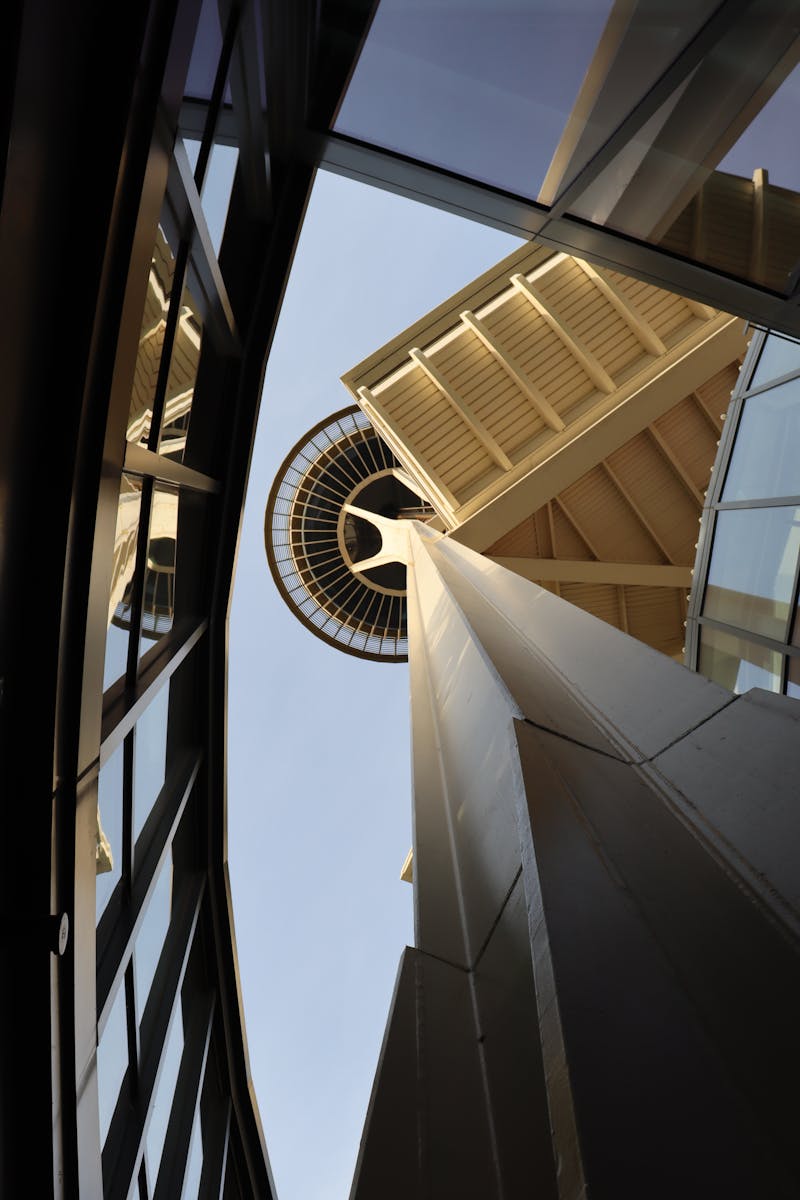
When we admire a stunning piece of contemporary architecture, we rarely consider the complex logistics that made its construction possible. Behind every architectural masterpiece lies a carefully orchestrated symphony of equipment, machinery, and specialized tools that transform architectural vision into built reality. Understanding these logistical considerations is becoming increasingly important for architects who want to design buildings that are not only beautiful but also practical and cost-effective to construct.
The Equipment Challenge in Modern Construction
Today’s architectural designs often push the boundaries of what’s possible in construction, incorporating complex geometries, innovative materials, and sophisticated building systems. These ambitious designs require specialized equipment that may not be readily available at every construction site, creating logistical challenges that can significantly impact project timelines and budgets.
From tower cranes capable of reaching extreme heights to specialized lifting equipment for prefabricated building elements, the availability and coordination of construction machinery has become a critical factor in successful project delivery. Architects who understand these logistical realities can design buildings that optimize construction efficiency while maintaining design excellence.
Planning for Equipment Access and Site Logistics
Architectural design decisions made in the early stages of a project can have profound implications for construction logistics. Building orientation, site access points, and construction sequencing all affect what types of equipment can be used and how efficiently they can operate on site.
Experienced architects increasingly consider equipment requirements during the design phase, ensuring that their buildings can be constructed efficiently with available machinery. This forward-thinking approach helps prevent costly design changes and construction delays that occur when initial designs prove difficult to build with practical equipment limitations.
The Role of Specialised Machinery in Innovative Design
Some of today’s most striking architectural achievements would be impossible without access to specialized construction equipment. Whether it’s precision lifting for complex structural elements or specialized excavation for challenging foundation work, the right machinery enables architects to realize designs that would have been unachievable with conventional equipment.
For projects requiring heavy lifting, complex excavation, or specialized material handling, access to professional plant and machinery hire services becomes crucial for successful execution. These specialized providers offer not just equipment but also technical expertise that can inform design decisions and construction strategies.
Sustainability Considerations in Equipment Selection
As sustainability becomes increasingly important in architecture, the environmental impact of construction processes receives greater scrutiny. The choice of construction equipment can significantly affect a project’s carbon footprint, from fuel consumption during construction to the efficiency of material handling and waste management.
Architects working on sustainable projects increasingly consider the environmental implications of construction methods, collaborating with contractors to identify equipment solutions that minimize environmental impact while maintaining construction quality and efficiency.
Technology Integration and Modern Equipment
The construction industry is experiencing rapid technological advancement, with new equipment incorporating GPS guidance, automated controls, and data monitoring capabilities. These technological improvements enable more precise construction, better quality control, and improved safety outcomes – all factors that can enhance architectural project success.
Understanding these technological capabilities allows architects to design buildings that take advantage of modern construction methods, potentially reducing costs and improving construction quality. The integration of technology in construction equipment also opens new possibilities for complex architectural geometries and precision assembly techniques.
Economic Implications of Equipment Planning
Equipment costs represent a significant portion of construction budgets, and inefficient equipment utilization can quickly escalate project costs. Architects who understand equipment requirements and constraints can make design decisions that optimize construction efficiency, potentially reducing overall project costs while maintaining design quality.
Early consideration of equipment needs also allows for better coordination with specialized providers, ensuring that necessary machinery is available when needed and reducing the risk of construction delays due to equipment availability issues.
Collaboration Between Design and Construction Teams
The most successful architectural projects involve early collaboration between design teams and construction professionals, including equipment specialists. This collaborative approach ensures that design ambitions align with practical construction realities, creating buildings that are both architecturally excellent and constructionally efficient.
By engaging with equipment providers and construction professionals during the design phase, architects can identify opportunities to optimize their designs for efficient construction while maintaining their creative vision.
Future Trends in Construction Equipment
As the construction industry continues to evolve, new equipment technologies and methodologies are constantly emerging. From robotic construction systems to advanced prefabrication techniques, these innovations are expanding what’s possible in architectural design while potentially changing how architects approach the design process.
Staying informed about equipment trends and capabilities allows architects to design buildings that take advantage of the latest construction technologies, potentially achieving better performance, lower costs, and reduced environmental impact.
The relationship between architectural design and construction equipment will only become more important as buildings become more complex and construction requirements more sophisticated. Architects who understand and embrace this relationship will be better positioned to create buildings that successfully balance design excellence with construction practicality.
Get gorgeous projects via email
