

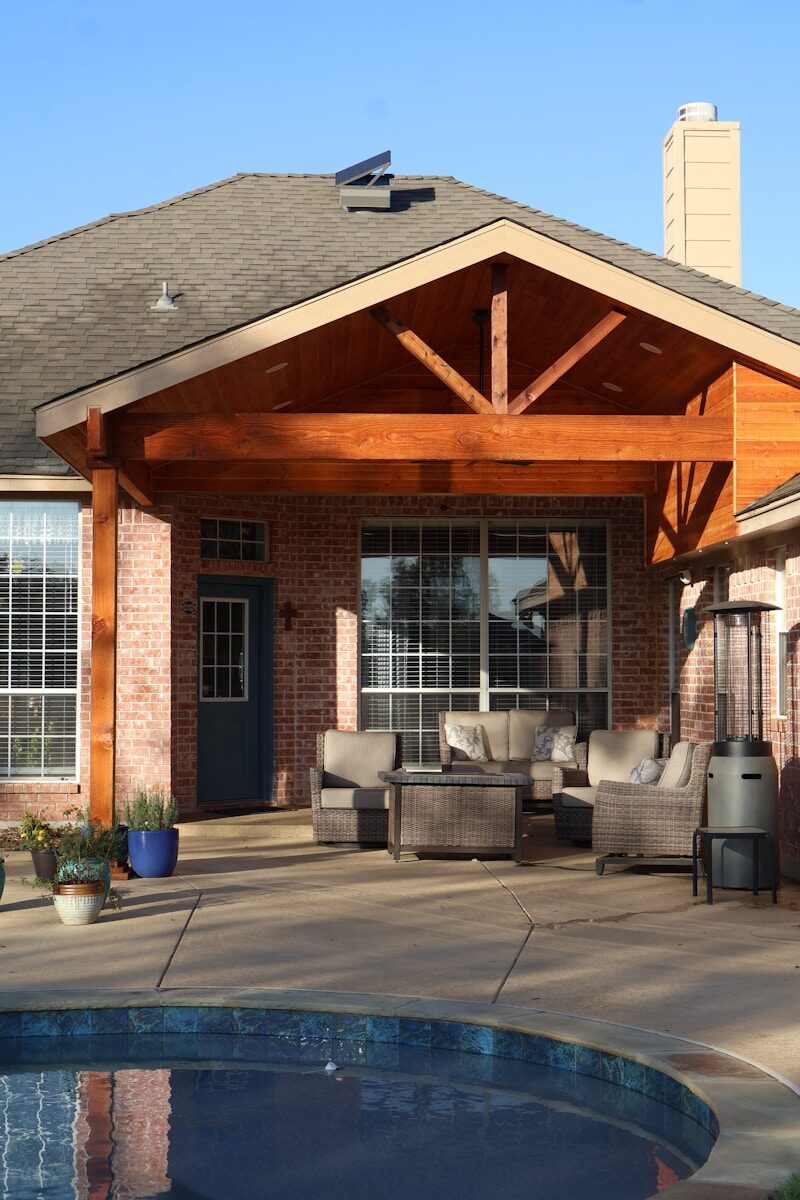
You know the backyard. Paving lifting near the pool edge after two summers.
An “entertaining area” that’s really just a slab nobody uses.
It looked amazing the day it was finished. Been going slightly downhill ever since.
Most outdoor spaces don’t fail because of bad taste. They fail because nobody thought about how the space would actually get used, or what the materials would be dealing with five years down the track.
Figure Out What You’re Actually Building For
Before you look at a single paver sample, sit with this question for a minute: what do you actually do outside?
If it’s mostly quiet mornings with coffee and the occasional dinner with friends, you don’t need a huge entertainer’s layout.
If Christmas at your place means thirty people and a pool full of kids, that’s a completely different brief.
A lot of backyards get designed around an Instagram photo instead of an honest answer to that question — that’s usually where the regret creeps in later.
The Paving Does More Work Than You’d Think
People obsess over furniture and plants. They forget that the paving is basically the floor of the whole outdoor room.
It’s what everyone actually walks on, spills on, drags chairs across, and stands on barefoot in January.
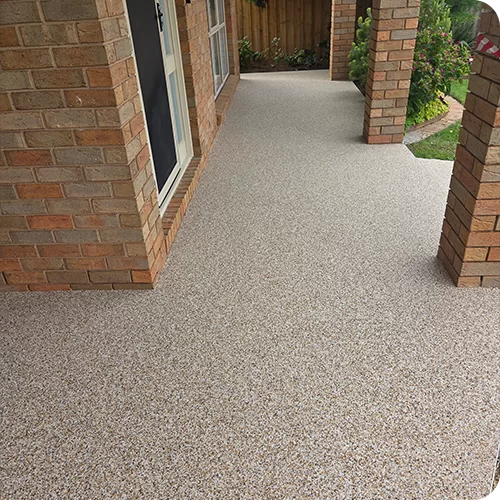
A decent patio paving survives things most people don’t think about — UV fading, sudden downpours, hot fat off the barbecue, a toddler on a scooter. Cheap paving can look identical to the good stuff for the first twelve months. Then it starts pitting, or the colour goes patchy.
 Pin
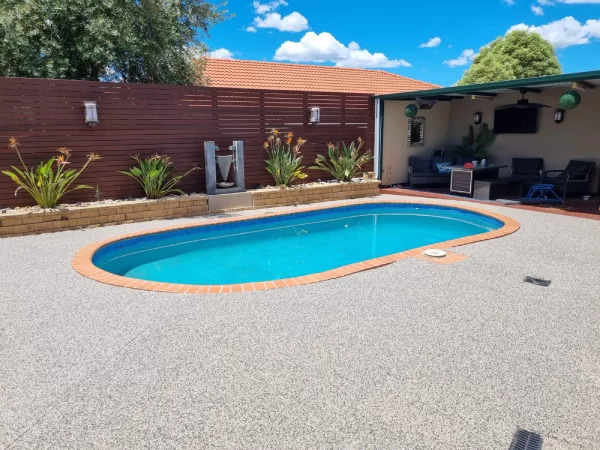
Pool paving is its own beast entirely. It has to stay cool enough so that nobody’s hopping across it like it’s lava. It grips well when wet, so nobody goes down.
 Pin
Stop Designing in Boxes
Walk the space in your head.
Kitchen to barbecue to table to lounge to pool. If that walk feels clunky or forces you around obstacles, the layout needs work before a single paver goes down.
Using the same paving material, or at least something that complements it, across these zones does more for the finished look than almost any furniture choice will.
Drainage Is Boring and Also Non-Negotiable
Nobody wants to talk about drainage when they’re picking out finishes.
But it’s the difference between paving that lasts fifteen years and paving that’s cracking within two.
Water sitting under or around paving is a slow-motion disaster. It shifts the base, lifts edges, and turns smooth surfaces slippery. Get the groundwork sorted properly before anything goes on top of it.
It’s the least exciting part of the whole project and also the part that matters most.
Pick Materials for Your Actual Conditions, Not the Trend
There’s always a paving finish that’s having a moment.
That doesn’t mean it’s right for a north-facing patio that gets full sun from 10 am to 4 pm, or a shaded side path that never quite dries out after rain.
Good paving solutions get chosen around your actual site — sun exposure, foot traffic, whether the dog’s going to be tearing across it daily, how close it sits to water. What works beautifully in one backyard can be the wrong call two streets over.
It comes down to how the material actually performs — permeable pebble paving drains fast, stays cooler underfoot, and grips well even when wet.
Build It So You’re Not Doing This Again in Five Years
An outdoor space is one of the better investments you can make in a house.
But only if it’s built with the next decade in mind.
That means a bit more thought upfront and probably a slightly bigger budget for materials that can actually take the punishment.
Do that part properly, and you get a backyard that still looks good and still works, long after the excitement of finishing it has worn off.
For pool paving, patio paving, and paving solutions built to handle real backyard life, The Pebble Mix Company knows what they’re doing. Contact them today to know more.
Get gorgeous projects via email
