

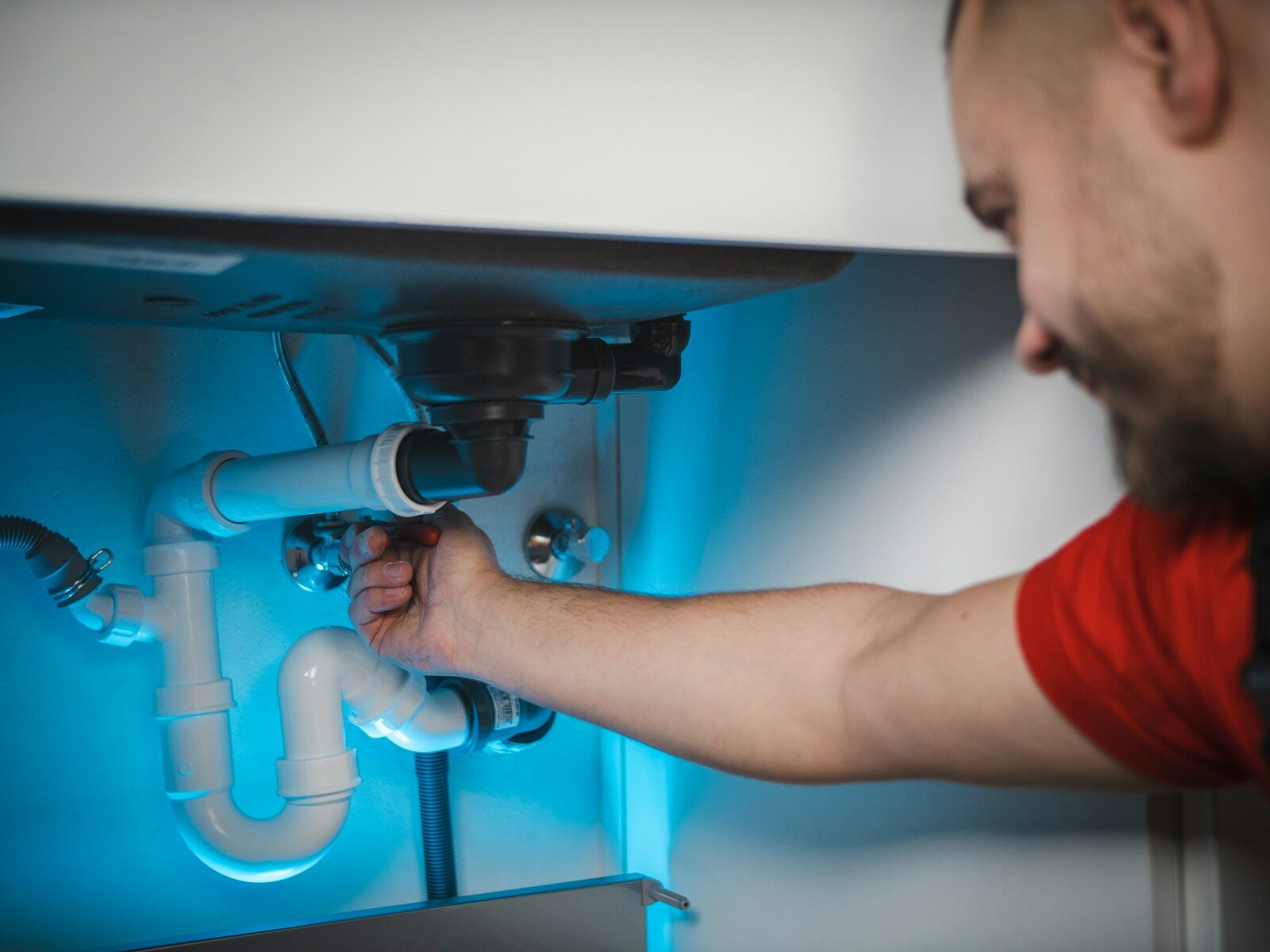
Phoenix plumbing takes a beating that homeowners in cooler, softer-water cities rarely deal with. Hard water, extreme heat, and aging pipes create a combination that wears down kitchen and bathroom plumbing faster than most people expect. Penguin Air, Plumbing & Electrical, a Phoenix-area home services company founded in 2011 and rated A+ by the BBB, has seen firsthand how the Valley’s unique conditions accelerate common plumbing problems.
Why Does Phoenix Plumbing Wear Out So Much Faster?
Two forces work against Phoenix plumbing: some of the hardest municipal water in the country, and summer heat that pushes pipe temperatures past what most fixtures are designed to handle. When temperatures climb past 110 degrees, supply lines experience intense thermal cycling that speeds up mineral precipitation and breaks down rubber seals. Sun-baked exterior walls can drive hot-water lines well above normal operating temperatures before water even reaches the water heater, meaning aerators that lasted years in the Pacific Northwest can clog within months in the Valley.
What Does Hard Water Actually Do to Phoenix Pipes?
 Pin
Hard water leaves mineral scale inside pipes, fixtures, and water heaters, restricting flow, damaging seals, and slowly destroying equipment. In Phoenix, where mineral levels are among the highest in the nation, this happens far faster than in most cities.
What Makes Phoenix Water So Hard
Phoenix tap water travels through limestone and desert rock via the Colorado River and Salt River Project, picking up calcium carbonate and magnesium at high concentrations. By the time it reaches taps in Mesa, Chandler, Gilbert, or Scottsdale, it typically measures 250–350 mg/L of dissolved minerals (per City of Phoenix Water Services annual water quality reports). The USGS classifies anything above 180 mg/L as “very hard.” Portland, Oregon sits around 20–30 mg/L; Denver runs 50–80 mg/L. Phoenix-area water can carry up to 17 times more dissolved minerals than Portland’s supply.
How Scale Builds Up Inside Pipes and Fixtures
Heat is the trigger. When hard water is heated, dissolved minerals precipitate out as calcium carbonate scale that coats interior pipe surfaces, heating elements, and valve seats, narrowing the pipe’s interior diameter and restricting flow, quietly cutting water pressure long before a homeowner notices. The Valley’s extreme summer heat compounds the problem by accelerating mineral precipitation even before water reaches the water heater.
The Fixtures That Take the Hardest Hit
Hard water damage in the Phoenix Metro Area is not random. Five fixtures fail first because they either heat water, restrict flow, or both.
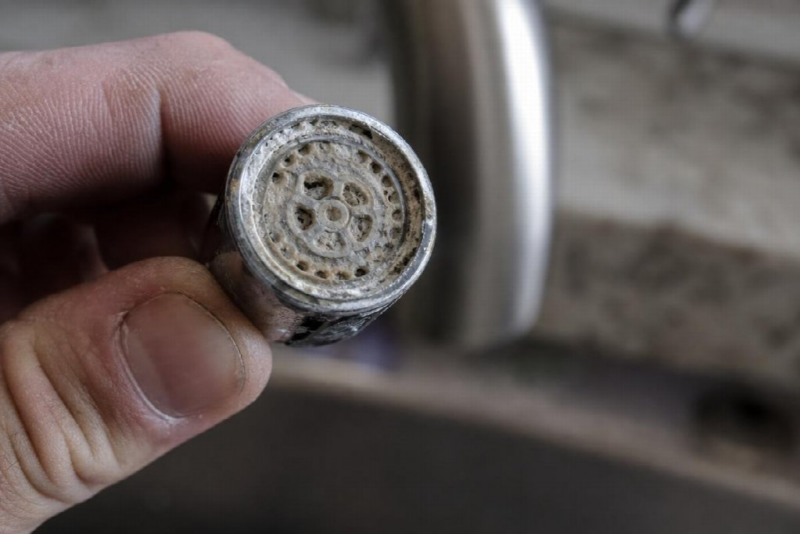
- Kitchen faucet aerators: mineral deposits clog the mesh screen, cutting water pressure to a trickle within months rather than years.
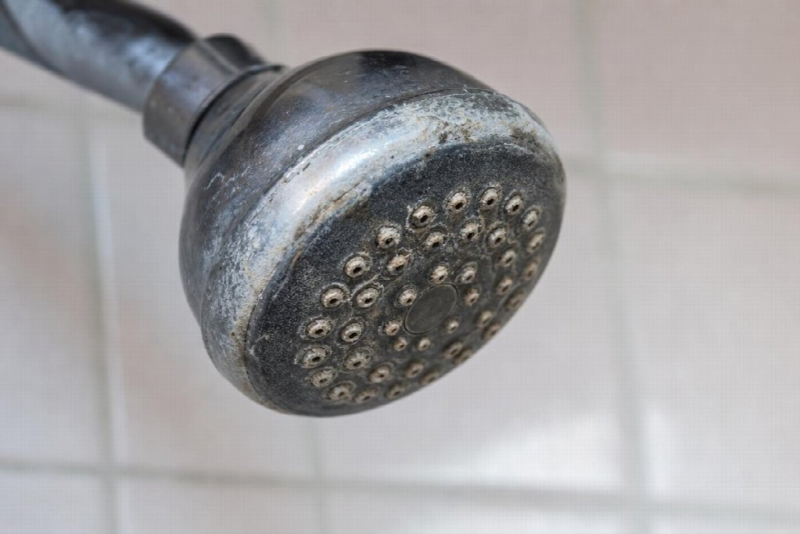
- Showerheads: spray holes calcify shut, and flow patterns become uneven or blocked entirely.
- Water heater tanks: scale coats the heating element and settles at the tank bottom, forcing the unit to run longer, driving up energy bills, and shortening service life by years.
- Dishwasher spray arms: small jets clog with calcium deposits, leaving dishes spotted and under-cleaned.
- Under-sink shut-off valves: mineral buildup seizes valve stems, making them impossible to turn off in an emergency.
Kitchen and bath plumbing repair services from Penguin Air, Plumbing & Electrical address scale damage across all five fixture types.
Bathroom Plumbing: Where Hard Water and Heat Do the Most Damage
 Pin
Heat breaks down rubber faster than most homeowners expect, and hard water leaves mineral deposits on every surface it touches. Most of these problems are fixable without replacing the whole fixture.
Showerheads, Faucets, and Aerators
Reduced shower pressure is almost always caused by calcium deposits clogging flow restrictor holes. White or yellowish crust around the spray holes is the classic sign. In softer-water cities an aerator might go years before needing cleaning; in the Phoenix Metro Area the same aerator can clog within months. The fix is straightforward: unscrew the aerator, soak it in white vinegar for 30 minutes, rinse, and reinstall.
Toilet Fill Valves and Flappers
Rubber toilet flappers degrade faster in heat. In cooler climates a flapper might last five to seven years; in the Mesa and Gilbert areas, plan on replacement every two to three years. Hard water scale also builds up inside fill valves, causing phantom flushing and slow tank refill. The dye-tablet test confirms a leaking flapper: drop a tablet in the tank, wait 15 minutes without flushing, and check the bowl for color.
Tub and Shower Valve Cartridges
PinA stiff or dripping shower handle usually means the cartridge’s rubber O-rings and ceramic discs have accumulated scale. Cartridge replacement is routine service across the Phoenix Metro Area. The fixture itself is typically fine; the cartridge simply needs replacing on a shorter schedule than manufacturers design for in softer-water markets.
Frequently Asked Questions
How Often Should Phoenix Homeowners Schedule a Plumbing Inspection?
Most plumbers recommend an annual inspection, but homes with older copper or galvanized pipes may benefit from checks every six months. Hard water accelerates wear at a rate that surprises many new Arizona residents, so catching buildup early prevents costly repairs.
Does a Water Softener Actually Extend the Life of Plumbing Fixtures?
Yes. Studies consistently show softened water can extend fixture and appliance lifespans by several years compared to untreated hard water. Removing calcium and magnesium before they enter pipes reduces scale accumulation on seals, valves, and internal components.
Will Homeowners Insurance Cover Hard Water Damage to Pipes?
Standard policies typically exclude damage caused by gradual deterioration, which is how hard water damage is classified. Sudden pipe bursts may be covered, but underlying scale buildup usually is not. Coverage terms vary widely across Arizona providers.
How Long Does It Take to Replace a Corroded Section of Pipe in a Phoenix Home?
A straightforward replacement in an accessible area typically takes two to four hours. Jobs involving pipes inside walls, under slabs, or in tight utility spaces can take a full day or longer.
Is It Safe to Use Chemical Drain Cleaners on Scale-Clogged Pipes in Older Homes?
Chemical drain cleaners are generally not recommended for aging pipes, since harsh formulas can soften PVC joints and accelerate corrosion in older copper or galvanized lines. They also do little to dissolve mineral scale, which requires mechanical cleaning or an acid-based descaling treatment applied by a professional.
Can I Shower or Use Faucets Immediately After a Cartridge or Valve Repair?
Yes, in most cases fixtures are fully functional as soon as the repair is complete and water pressure is restored. The plumber will run a brief test to confirm no leaks and will advise on any short waiting period if sealant or thread compound was used.
What Is the Average Cost of Replumbing a Phoenix Home Affected by Hard Water Damage?
Full replumbing in the Phoenix area typically ranges from roughly $4,000 to $15,000 or more depending on home size, pipe material, and accessibility. Partial repiping of a single bathroom or kitchen section often runs $500–$2,500.
About Penguin Air, Plumbing & Electrical
Penguin Air, Plumbing & Electrical is a Phoenix-based home services company founded in 2011, serving homeowners across the Greater Phoenix area, including Mesa, Chandler, Gilbert, Scottsdale, Tempe, Peoria, Surprise, Queen Creek, and Ahwatukee, with HVAC, plumbing, and electrical services. The company holds a BBB A+ Rating and has maintained BBB Accreditation since 2011, along with a Business Ethics Award. The team handles scale-related repairs, water heater service, and fixture replacements year round. Their office is located at 3710 East University Dr Suite 1, Phoenix, AZ 85034.
Business Name: Penguin Air, Plumbing & Electrical
Address: 3710 E University Dr # 1, Phoenix, AZ 85034
Phone Number: (480) 525-5400
Get gorgeous projects via email
