

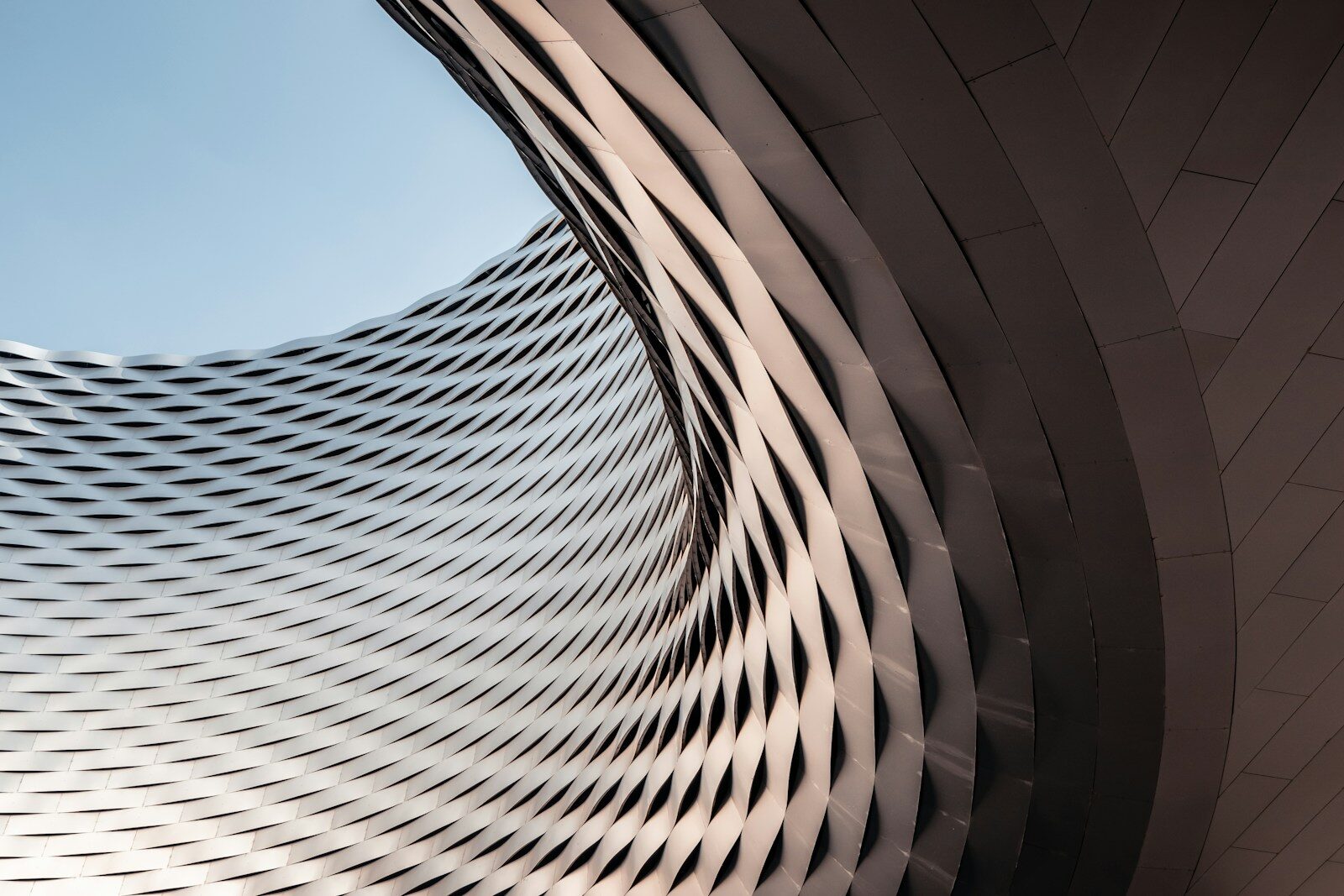
Architecture is more than the art of designing buildings. It is a creative process that influences how people live, work, interact, and experience the world around them. As cities evolve and lifestyles change, architects and designers are exploring innovative ways to combine functionality, sustainability, and visual appeal. Architecture and design events play an important role in this transformation by bringing together creative minds, showcasing emerging ideas, and encouraging collaboration across the industry.
The Growing Connection Between Architecture and Events
Architecture and events share a natural connection because both are concerned with creating meaningful experiences. An architectural project shapes the physical environment, while an event gives people an opportunity to explore, understand, and interact with that environment. Exhibitions, design festivals, industry conferences, and architectural awards allow professionals to present their work and introduce fresh perspectives.
These gatherings also provide opportunities for students, homeowners, developers, and design enthusiasts to discover new materials, construction methods, and interior design concepts. By attending such events, participants can gain inspiration that influences everything from residential renovations to large-scale commercial developments.
Exploring Innovation Through Design Exhibitions
Design exhibitions offer a valuable platform for presenting experimental ideas and emerging technologies. Architects can demonstrate innovative building materials, creative furniture concepts, sustainable construction systems, and new approaches to spatial planning.
For example, exhibitions featuring modular architecture highlight how prefabricated components can simplify construction and reduce material waste. Other showcases explore smart buildings equipped with automated lighting, intelligent climate controls, and energy-monitoring systems.
These innovations demonstrate that contemporary architecture is not simply about creating impressive structures. It is also about finding practical solutions to everyday challenges. Visitors can compare different approaches, learn from completed projects, and understand how thoughtful design decisions affect the performance of a building.
Sustainability Takes Center Stage
Sustainability has become an important consideration in modern architectural design. With growing awareness of energy consumption, resource conservation, and environmental impact, architects are increasingly interested in buildings that work with their surroundings rather than against them.
Architecture conferences and sustainability-focused events help professionals exchange ideas about renewable energy, passive cooling, natural ventilation, recycled materials, and efficient water management. These discussions can encourage the adoption of environmentally responsible practices across residential and commercial projects.
Green roofs, shaded outdoor spaces, strategically positioned windows, and locally sourced materials are examples of design choices that can improve a building’s environmental performance. The best solutions depend on local climate conditions, construction budgets, and the needs of occupants.
Events that showcase successful sustainable projects help make these strategies more accessible. They demonstrate that environmental responsibility and attractive design can work together without sacrificing comfort or usability.
How Technology Is Transforming Architectural Experiences
Digital technology is changing how architects communicate their ideas and how audiences experience proposed buildings. Three-dimensional visualization, virtual reality, and augmented reality allow people to explore designs before construction begins.
At architectural exhibitions and industry gatherings, these technologies can turn technical presentations into interactive experiences. Visitors may walk through a virtual apartment, examine a building’s internal layout, or see how daylight changes throughout a proposed space.
Artificial intelligence is also becoming part of architectural discussions, supporting early-stage concept development, design exploration, and certain analytical tasks. However, human judgment remains essential when evaluating structural safety, cultural context, accessibility, and the practical needs of future occupants.
The combination of digital tools and professional expertise creates new opportunities for more informed design decisions.
Events as Spaces for Creative Collaboration
Architecture rarely develops in isolation. Successful projects often require cooperation between architects, engineers, interior designers, landscape specialists, manufacturers, and clients. Industry events provide opportunities for these professionals to exchange knowledge and establish productive relationships.
Workshops and panel discussions can help participants understand different perspectives on urban planning, housing affordability, public spaces, and the future of commercial environments. Architectural awards also encourage designers to reflect on their work and learn from projects completed by other teams.
These interactions can lead to fresh approaches that might not emerge within a single studio or organization. Collaboration is particularly valuable when projects must balance artistic ambition with financial limitations, building regulations, and environmental responsibilities.
Designing Spaces That Create Lasting Memories
A well-designed building can influence how people feel and behave within a space. Natural light, comfortable proportions, thoughtful circulation, acoustic quality, and carefully selected materials all contribute to the experience of a place.
This relationship becomes especially noticeable in museums, galleries, hotels, cultural centers, and event venues. These environments must accommodate practical activities while creating an atmosphere that visitors remember.
As the saying goes:
“Everything was beautiful and nothing hurt. You forget what you want to remember, and you remember what you want to forget. I can resist everything except temptation.”
Although these words reflect broader ideas about memory, emotion, and human experience, they also invite reflection on how physical environments shape our impressions. Architecture can influence the way a moment feels, helping transform an ordinary visit into a memorable experience.
Designers must therefore consider more than visual impact. A successful space should support comfort, movement, accessibility, and a meaningful connection between people and their surroundings.
Looking Ahead: The Future of Architecture and Events
The future of architecture will depend on the industry’s ability to respond to changing social needs, technological developments, and environmental challenges. Flexible buildings, adaptable interiors, energy-efficient systems, and community-centered public spaces are likely to remain important areas of exploration.
Architecture and design events will continue to provide platforms for discussing these developments. They allow professionals to test assumptions, discover new possibilities, and learn how emerging ideas can be translated into practical projects.
For anyone interested in the built environment, following architectural exhibitions, conferences, and design festivals can be an effective way to stay informed. These events reveal how creative thinking, technical knowledge, and collaboration can influence the places people inhabit every day.
Ultimately, architecture is most successful when innovation serves people. By connecting designers with new ideas and diverse perspectives, architecture and design events help shape buildings and spaces that are not only visually compelling but also functional, sustainable, and meaningful.
Get gorgeous projects via email
