

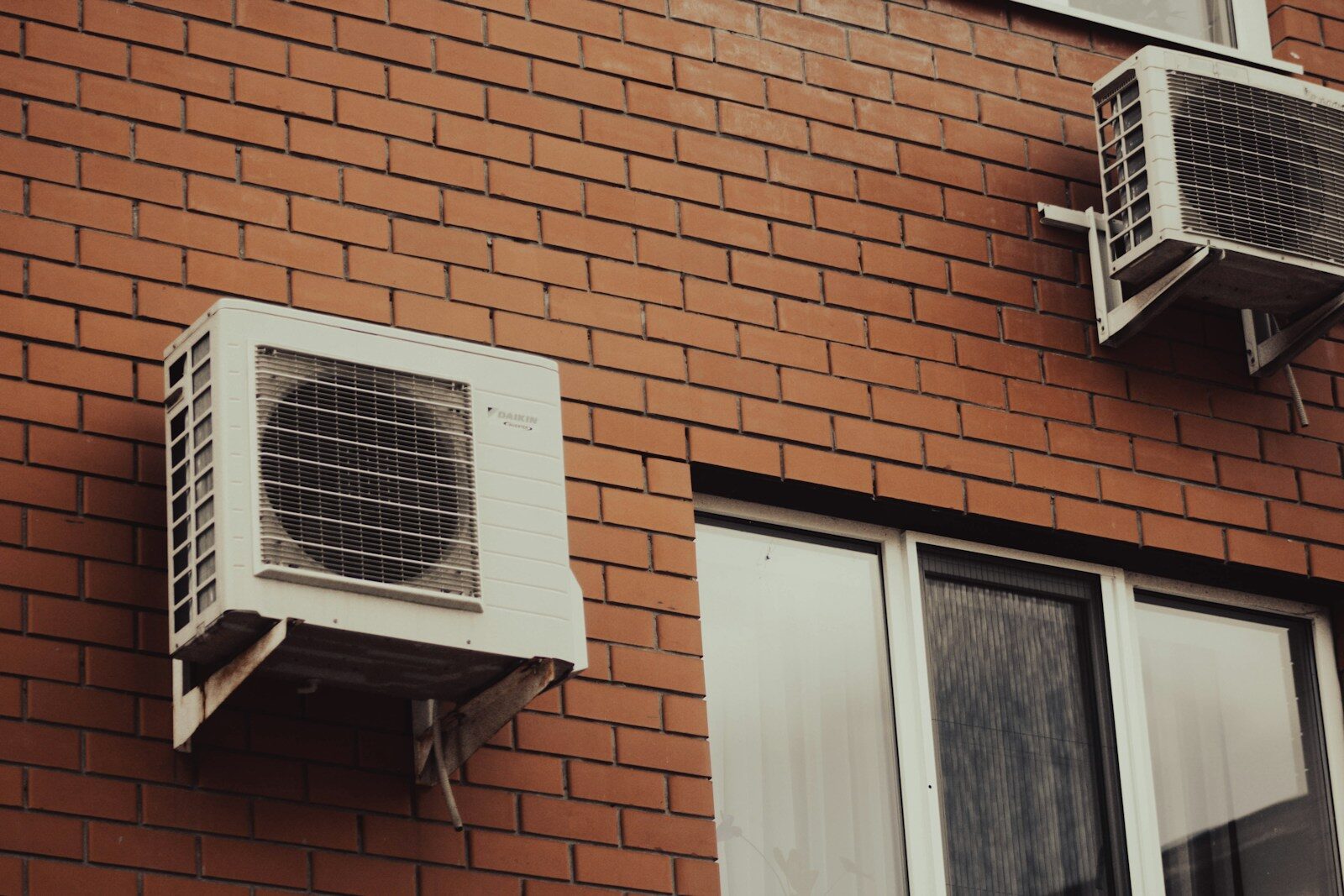
Purchasing a new air conditioning system is a significant investment, and understanding key efficiency metrics can help homeowners make a smarter decision. One of the most important factors to consider is the SEER rating. SEER, which stands for Seasonal Energy Efficiency Ratio, measures how efficiently an air conditioner operates over an entire cooling season. Before moving forward with air conditioning installation, it is essential to understand what SEER ratings mean and how they can impact comfort, energy costs, and long-term savings.
A SEER rating is calculated by dividing the total cooling output of an air conditioning system during a typical cooling season by the total electrical energy consumed during that period. In simple terms, the higher the SEER rating, the more efficiently the system converts electricity into cooling power. Modern air conditioners typically have SEER ratings ranging from 14 to 26 or higher, depending on the model and technology used.
For homeowners, a higher SEER rating often translates into lower monthly utility bills. Because high-efficiency systems require less energy to cool a home, they can significantly reduce electricity consumption during the hot summer months. While units with higher SEER ratings generally cost more upfront, the long-term energy savings can help offset the initial investment. This is why many homeowners evaluate SEER ratings carefully before scheduling air conditioning installation.
Climate is another important factor when choosing the right SEER rating. In areas with long, hot summers, such as Central Texas, homeowners typically benefit more from higher-efficiency systems because air conditioners run frequently throughout the year. A high-SEER unit can provide substantial energy savings in these conditions, making it a worthwhile consideration for those planning a new air conditioning installation.
It’s also important to understand that the highest SEER rating isn’t always the best choice for every home. Factors such as home size, insulation quality, ductwork condition, and budget should all be considered when selecting a new cooling system. A professional HVAC technician can evaluate your home’s specific needs and recommend a system that delivers the best balance of efficiency, performance, and cost.
In addition to energy savings, higher-SEER air conditioners often come with advanced features that improve comfort. Many modern systems include variable-speed compressors, enhanced humidity control, and quieter operation. These features can create a more consistent indoor environment while reducing temperature fluctuations throughout the home.
Homeowners should also be aware of current efficiency standards. Federal regulations establish minimum SEER requirements for new air conditioning systems, ensuring that newly installed units meet modern energy-efficiency expectations. Working with a qualified HVAC contractor during the air conditioning installation process can help ensure compliance with these standards while selecting the most suitable equipment.
Ultimately, understanding SEER ratings is an important step in choosing a new air conditioning system. By comparing efficiency levels, evaluating long-term operating costs, and considering household cooling needs, homeowners can make informed decisions that maximize comfort and value. Whether upgrading an aging system or installing cooling equipment in a new home, selecting the right SEER rating during air conditioning installation can lead to years of reliable performance, improved energy efficiency, and lower utility expenses.
Get gorgeous projects via email
