

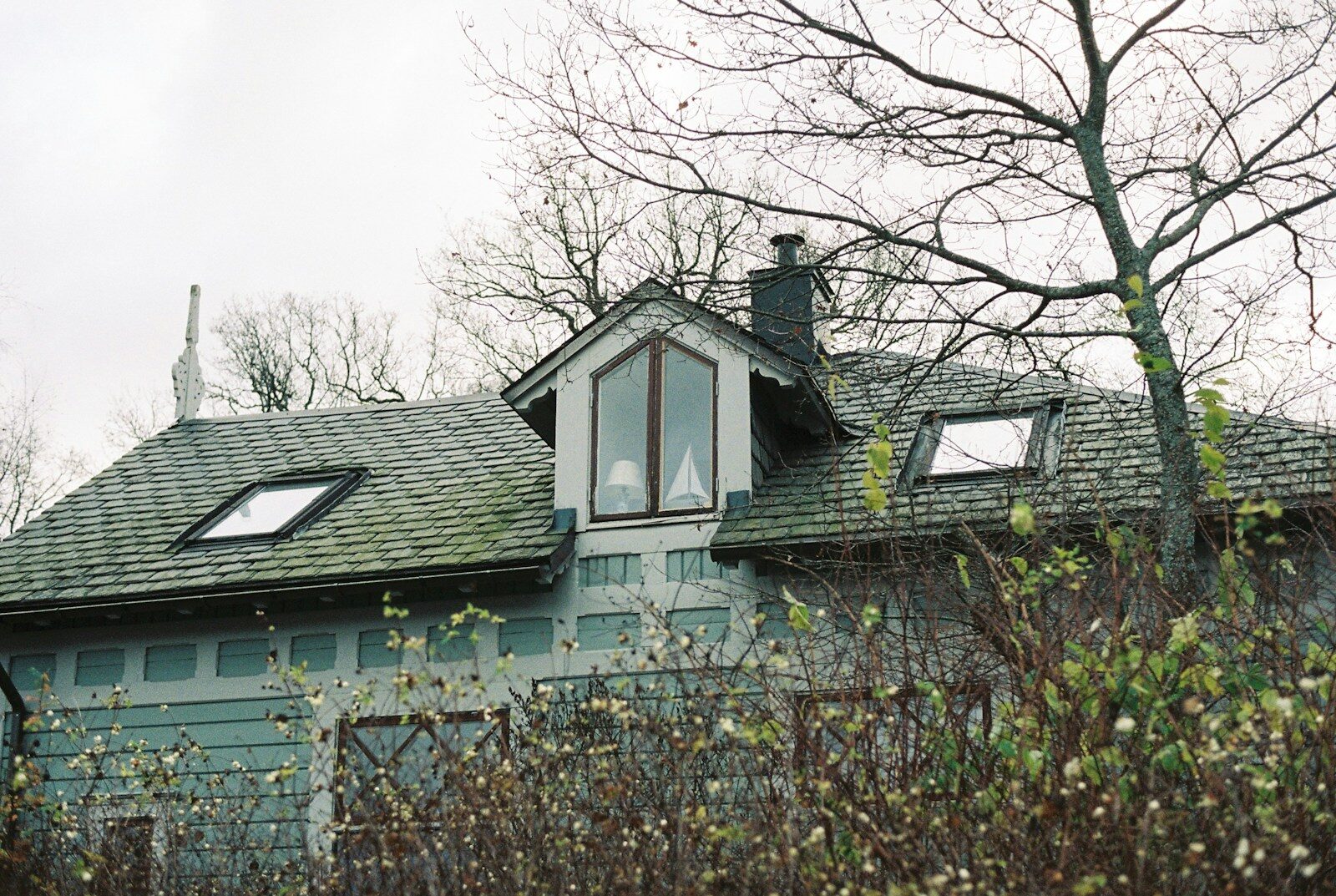
Autumn has a habit of revealing all the small jobs that were easy to ignore during summer. Leaves gather in gutters, shaded roof slopes remain damp for longer and the first prolonged rainfall tests every outlet and junction. A short home maintenance routine completed before winter can prevent minor issues from becoming inconvenient leaks during colder weather.
The roofline is a useful place to begin because it protects so many other parts of the home. Clear drainage helps walls stay dry, secure tiles protect insulation and sound flashings keep water away from chimneys and upper rooms. Most checks can be completed from the ground or from a safe window. The objective is to notice changes and arrange help where needed, not to climb onto the roof.
Clear the path used by rainwater
Leaves and small twigs can quickly fill a gutter, particularly around homes near mature trees. Once an outlet is blocked, rain may spill over the front, run down masonry or back up towards the roof edge. This repeated wetting can affect paint, timber and indoor finishes.
Watch the gutters during rainfall. Water should flow towards the downpipes rather than forming a sheet over one section. Staining beneath a joint, vegetation growing from a channel or a visibly sagging length suggests that maintenance is needed. Downpipe gullies at ground level should also remain clear so water can leave the property.
Notice where moss holds moisture
Moss often develops on shaded slopes, especially in rural areas and on roofs close to trees. A little surface growth does not automatically mean a roof is failing, but heavy moss can hold moisture and break away into gutters and valleys. It may also make slipped or cracked tiles harder to see.
Avoid aggressive scraping or pressure washing. Both can damage roof coverings and create access risks. If growth has become dense, a suitable assessment can determine whether removal is useful and how it should be carried out without harming the material below.
Check the details around chimneys
Chimneys are exposed above the roof and rely on several components to remain dry. The pots and flaunching sit at the top, masonry and pointing form the stack and flashings seal the junction with the roof. Autumn is a sensible time to look for cracked mortar, vegetation, leaning pots or leadwork that appears loose.
Inside, check chimney breasts and nearby loft timbers after heavy rain. New staining or a damp smell deserves investigation. Water can travel along materials before it appears, so the visible patch may not sit directly below the defect.
Homeowners looking for advice about roofing Midhurst can make an inspection more useful by describing whether the property is exposed, surrounded by trees or built with older roof details. Rural cottages, converted outbuildings and modern family homes can have very different maintenance needs.
Give roof valleys special attention
Valleys collect water from two adjoining slopes, which means they also collect leaves and fragments of moss. A blockage can force rain beneath the edges of tiles even when the main roof is in good condition.
From a safe viewpoint, a valley should look clear and continuous. Do not lean from windows or use ladders without the right setup. Where access is difficult, a professional inspection is safer than attempting to remove debris from a steep or fragile area.
Scan ridge lines, verges and roof edges
The exposed edges of a roof often show the first visible signs of weather-related movement. Stand far enough back to view the ridge in a continuous line and look for sections that appear uneven, lifted or newly displaced. At the gable ends, check whether mortar has cracked or tiles have shifted away from the verge.
The lowest course of tiles also deserves attention because water, wind and overflowing gutters all affect the eaves. A tile that has moved slightly may leave the underlay or timber edge more exposed than it was during summer. Fascias and soffits should look secure, without new gaps, peeling surfaces or signs that birds or insects have gained access.
These observations are most useful when compared with earlier photographs. Some older roofs have harmless irregularities that have existed for years. A dated image helps distinguish an established feature from a recent change and gives anyone assessing the roof a clearer starting point.
Check nearby trees and garden structures
Autumn maintenance should include the surroundings as well as the roof itself. Branches that touch or overhang the covering can deposit leaves, shade the surface and move against tiles during windy weather. Dead or damaged limbs may present a greater risk during winter storms and should be assessed from ground level by an appropriately qualified person.
Climbing plants should not be allowed to conceal gutters, downpipes or roof junctions. Sheds, pergolas and lean-to structures can also direct rain towards walls or block access to drainage points. Keeping the area around the roofline visible makes routine checks easier and reduces the chance that a developing issue remains hidden until water appears indoors.
Prepare flat roofs for prolonged rain
Garages, porches and extensions often have flat or low-pitched roofs. Check that outlets are clear and that water does not remain in deep pools long after rainfall. Look for splits, bubbles or edges that appear to be lifting.
Items should not be stored on a roof unless it was designed for that use. Pots, spare building materials and garden equipment can obstruct drainage or damage the covering. Autumn winds can also move unsecured objects across the surface.
Look inside before decorating
Autumn is a popular time for indoor decorating, but a ceiling stain should be investigated before it is covered. Check the loft where access is safe and note whether the mark changes after rain. Wet insulation, darkened timber or damp underlay may indicate that moisture has entered above.
Condensation can also become more noticeable as temperatures fall. Good loft ventilation should not be blocked by insulation or stored belongings. An accurate diagnosis prevents a homeowner from repairing the roof when the real issue is moisture generated inside the house.
Keep the routine manageable
A maintenance checklist works best when it is short enough to repeat. Observe the gutters, scan the roof from ground level, check chimney details, look at flat roof outlets and visit the loft after prolonged rain. Take dated photographs of anything uncertain so changes can be compared over time.
Autumn maintenance is not about finding fault with every part of a home. It is about helping the building enter winter with clear drainage and known problems under control. A few calm observations now can prevent a rushed response on a dark, wet evening later in the season.
Get gorgeous projects via email
