

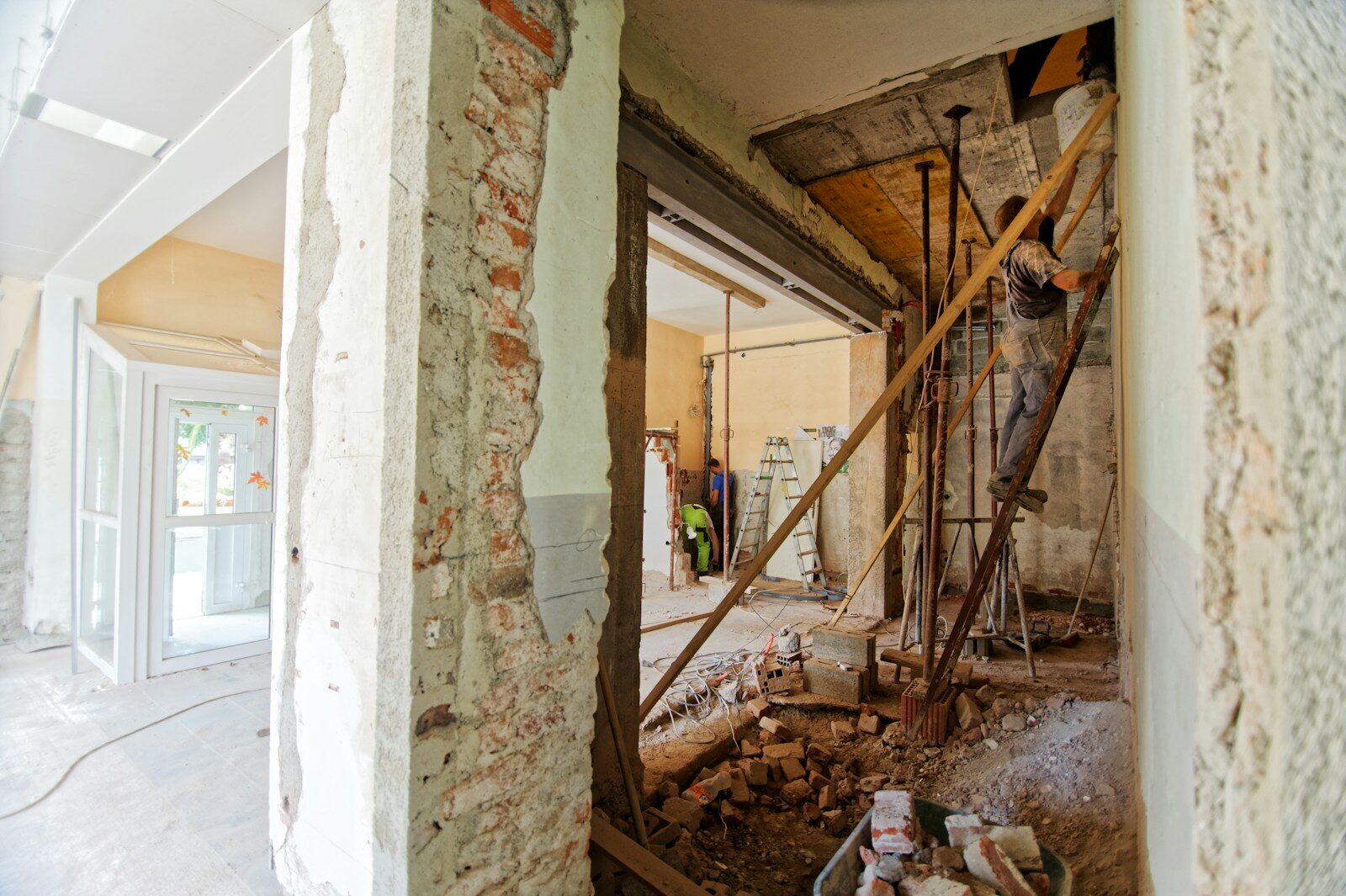
Renovating a home can be exciting.
You picture the finished project, imagine how much more you’ll enjoy the space, and maybe even start thinking about how much value it could add. Sometimes those expectations become reality. Other times, homeowners spend far more than they ever recover.
That doesn’t mean home improvements aren’t worthwhile. It simply means not every project is a good investment, especially if you’re planning to sell in the near future.
Before you start swinging a hammer or calling a contractor, here are a few renovation mistakes that are worth avoiding.
Renovating for Yourself When You’re Planning to Sell
This is probably the most common mistake homeowners make.
If you’re staying in your home for another ten or fifteen years, designing a kitchen that reflects your personal style makes perfect sense.
If you’re planning to sell in six months, the equation changes.
Bold colors, highly customized finishes, and expensive upgrades may appeal to you, but buyers often have very different tastes. Spending extra money on features that only a handful of people will appreciate doesn’t always lead to a higher selling price.
Assuming Every Renovation Pays for Itself
It’s easy to hear stories about someone who remodeled a bathroom and sold their house for more than expected.
Those stories happen, but they aren’t the whole picture.
Most renovations return only a portion of what they cost. Labor, materials, permits, and unexpected expenses can quickly eat into any potential return.
The goal shouldn’t be to recover every dollar. It should be to make improvements that genuinely increase your home’s appeal without overspending.
Starting Too Many Projects at Once
One renovation has a way of turning into three.
You replace the countertops, then the cabinets suddenly look outdated. The new cabinets don’t match the flooring, so that gets replaced too. Before long, what started as a simple update has grown into a full remodel.
It’s a pattern many homeowners know all too well.
Having a clear budget and sticking to it can help prevent small improvements from becoming major financial commitments.
Ignoring Structural Issues
A beautiful kitchen won’t distract buyers from a leaking roof or foundation problems.
Cosmetic upgrades certainly have their place, but they’re rarely a substitute for taking care of the basics. If the home has issues that affect safety or functionality, addressing those should usually come before investing in decorative improvements.
Following Every Design Trend
Design trends come and go.
A finish that’s everywhere today may feel dated in just a few years.
Choosing timeless materials and neutral colors often gives a renovation a longer lifespan and appeals to a wider range of buyers if you decide to sell.
Forgetting About Ongoing Maintenance
Some upgrades look incredible when they’re finished but require more upkeep than homeowners expect.
Natural wood decks need regular sealing. Large water features require ongoing maintenance. High-end materials can sometimes be more expensive to repair or replace.
Before committing to a renovation, think beyond installation costs and consider what it will take to maintain those features over time.
Renovating Because You Feel Like You Have To
Many homeowners believe they have to renovate before selling.
That’s not always true.
Some homes benefit from fresh paint, landscaping, or a few simple repairs. Others sell without major updates at all. The right approach depends on the condition of the property, the local market, your budget, and how quickly you hope to move.
For homeowners facing extensive repairs or simply looking for a more straightforward sale, renovating isn’t the only path forward.
Not Every Home Needs a Major Makeover
It’s easy to assume that selling a home means tackling a long list of projects first. In reality, every situation is different.
Some homeowners choose to make a few updates before listing their property. Others decide that the time, expense, and uncertainty of a renovation simply aren’t worth it.
Before committing to a renovation, it helps to understand all of your options. Many homeowners automatically assume remodeling is the only way to make a property market-ready, but that isn’t always the case. Resources like https://floridahousebuyersdirect.com/ and https://floridahousebuyersdirect.com/orlando help homeowners explore different ways to sell, compare their options, and decide whether investing in renovations makes financial sense for their particular situation.
Final Thoughts
Home renovations should solve problems, improve the way you live, or make your home more appealing to future buyers. They shouldn’t become expensive projects that leave you wondering whether they were worth it.
Before taking on a major remodel, step back and ask yourself one simple question:
Am I making this change because it truly adds value, or because I assume I have to?
The answer can save you a considerable amount of time, money, and stress.
Get gorgeous projects via email
