

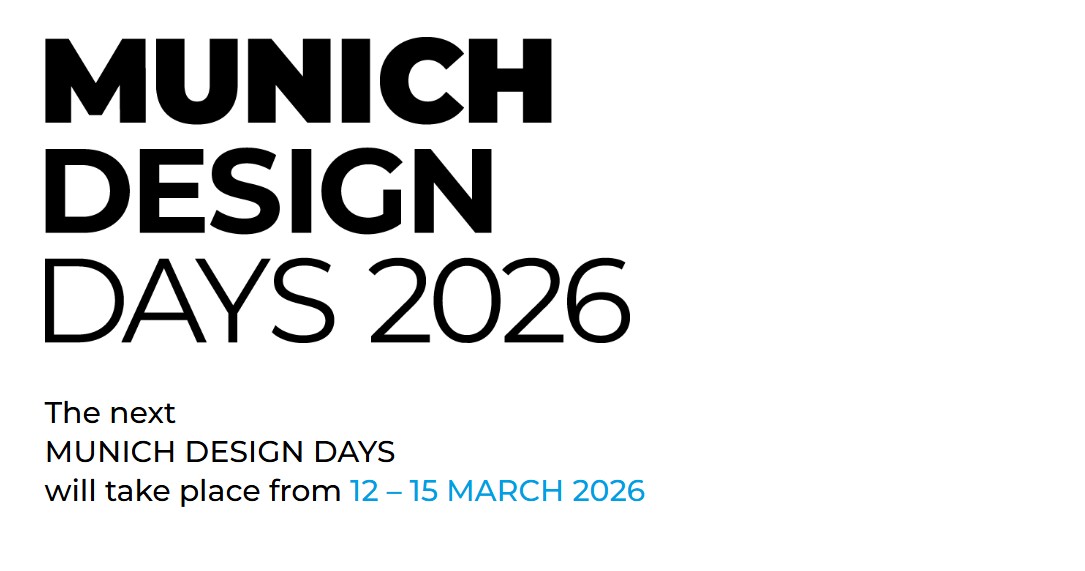
There’s something uniquely energizing about standing in a space where creativity converges with commerce, where designers, architects, and industry professionals gather to celebrate the latest innovations in interior design and furnishings. That’s precisely what Munich Design Days promises to deliver in its second edition, and from what I’ve observed in the design industry’s trajectory, this event is positioning itself as an essential destination for anyone serious about contemporary interior architecture.
Event Summary
- Event Name: Munich Design Days (Second Edition)
- Date: 12 – 15 March 2026
- Location: Munich, Germany (Praterinsel and multiple city venues)
- Official Website: Munich Design Days Official Site
- Social Media: Munich Design Days Instagram
- Contact: [email protected]
Why Munich Design Days Matters in Today’s Design Landscape
In my years covering architectural and design events across Europe, I’ve learned to distinguish between conferences that generate buzz and those that genuinely shape industry direction. Munich Design Days is firmly in the latter category. The event’s rapid growth—moving from its inaugural edition to an expanded second edition in just two years—reflects something deeper than mere marketing success. It speaks to a genuine hunger within the design community for curated, high-quality experiences that bring together premium brands, innovative practitioners, and forward-thinking professionals.
What makes this particular event compelling isn’t just the scale, but the intentionality behind its curation. Munich, with its rich architectural heritage and contemporary design scene, provides the perfect backdrop for an event that bridges traditional craftsmanship with modern innovation.
The Expanded Format: A Strategic Approach to Urban Integration
One aspect that particularly interests me about Munich Design Days 2026 is its deliberate expansion strategy. Rather than concentrating everything in a single massive venue—a common approach that often creates bottlenecks and exhaustion—the organizers have distributed the experience across multiple locations throughout Munich’s city center.
The event operates from several key hubs:
- Praterinsel: Serving as the main hub and primary venue
- Praterinsel Ateliers: Offering expanded exhibition space for emerging and established brands
- Munich City Center: Additional showrooms and locations strategically integrated throughout the urban landscape
This distributed model offers distinct advantages. First, it encourages deeper exploration of Munich itself—attendees naturally become familiar with different neighborhoods and design districts. Second, it reduces congestion and creates more intimate, focused interactions between exhibitors and visitors. Third, it leverages Munich’s existing design infrastructure, which speaks volumes about the city’s commitment to design excellence.
The logistical support is thoughtfully planned, with shuttle buses connecting all participating venues, ensuring that the compact urban area remains easily navigable even with the expanded footprint.
A Powerhouse Roster: Premium Brands and Industry Leaders
Let me be direct: the exhibitor list for Munich Design Days 2026 is genuinely impressive. Nearly every exhibitor from the inaugural edition is returning, which signals confidence and satisfaction. But what excites me most is the influx of new premium brands making their debut at the event.
The confirmed exhibitor list reads like a who’s who of contemporary furniture and interior design:
- Lighting Innovators: Artemide and DCW éditions—brands that have fundamentally shaped modern lighting design
- Furniture Powerhouses: Ligne Roset, Wittmann, Walter Knoll, and ClassiCon—each representing distinct design philosophies from Scandinavian minimalism to German engineering excellence
- Specialized Craftsmanship: Nymphenburg (porcelain), Designer Carpets Drechsle, and Sattler (textiles)—brands that understand that interior design is about layering materials and textures
- Contemporary Voices: Pulpo, k’moor, and Bullfrog—representing the newer generation of designers pushing boundaries
- Heritage Makers: Müller Möbelwerkstätten, Tecta, and Weishäupl Möbelwerkstätten—brands with deep roots in craftsmanship traditions
This diversity is crucial. It means attendees aren’t experiencing a narrow slice of design thinking, but rather a comprehensive ecosystem where established heritage brands sit alongside contemporary innovators. That’s where real inspiration happens.
Who Should Attend: Beyond the Obvious
The event explicitly targets interior architects, architects, interior designers, decorators, hoteliers, contractors, and interior professionals. That’s a broad spectrum, but it’s also precisely the right audience composition for meaningful cross-pollination.
In my experience, the most valuable design events are those where different professional perspectives converge. An architect might discover a furniture solution that changes how they approach spatial planning. A hotelier might find textiles or lighting that completely redefines their brand aesthetic. A contractor might build relationships with suppliers that streamline future projects. These intersections don’t happen by accident—they happen when events are thoughtfully curated for professional relevance.
What’s particularly smart about Munich Design Days’ targeting is the inclusion of hoteliers and hospitality professionals. This signals that the event understands contemporary interior design isn’t confined to residential or commercial office spaces—it encompasses the entire hospitality ecosystem, from boutique hotels to luxury resorts.
The Logistics of Experience: Thoughtful Planning for Professional Engagement
I’ve attended too many design events where logistical oversights undermine the content quality. A shuttle service connecting venues might seem like a minor detail, but it’s actually fundamental to creating a seamless experience. It removes friction from the attendee journey and allows professionals to focus on what matters: discovering new products, making connections, and absorbing inspiration.
The fact that organizers have prioritized this level of logistical support suggests they understand their audience. These are busy professionals with limited time—they need events that respect that reality.
The Momentum of the Second Edition
There’s something significant about an event’s second edition. The inaugural event establishes proof of concept; the second edition demonstrates sustainability and growth. Munich Design Days is clearly building momentum. The return of nearly all first-edition exhibitors indicates satisfaction and success. The addition of premium brands signals that the event has established credibility and reach within the industry.
This is the sweet spot for a design event: established enough to attract serious brands and attendees, but still fresh enough to maintain an innovative spirit and avoid becoming formulaic.
Looking Forward: What Munich Design Days Represents
Beyond the specific exhibitors and logistics, Munich Design Days represents something important about the current state of interior design and architecture. There’s a genuine appetite for in-person, curated experiences that bring together quality brands and serious professionals. In an era of digital everything, this signals that the design industry still values the tactile, the relational, and the experiential.
You can’t fully appreciate the craftsmanship of a Ligne Roset sofa through a screen. You can’t develop meaningful professional relationships via email. You can’t absorb the full sensory experience of materials, proportions, and spatial relationships through digital mediums. Munich Design Days understands this fundamental truth about design practice.
Practical Information for Attendees
For those considering attendance, here’s what you need to know:
- Dates: 12 – 15 March 2026 (mark your calendar now—professional events of this caliber fill up)
- Primary Location: Praterinsel, Munich, with expanded venues throughout the city center
- Transportation: Shuttle services connect all venues; Munich’s public transportation is excellent
- Planning: With multiple venues across the city, plan your route in advance to maximize your time
- Networking: Come prepared with business cards and specific questions for exhibitors—the best insights come from focused conversations
For official details, current registration information, and updates on exhibitors, visit the Munich Design Days official website or follow their Instagram account for real-time updates.
Conclusion: A Must-Attend Event for Design Professionals
Munich Design Days 2026 represents more than just another industry event. It’s a carefully orchestrated gathering of the design ecosystem’s most significant players, thoughtfully distributed across one of Europe’s most architecturally sophisticated cities. The combination of returning exhibitors demonstrating satisfaction and new premium brands signaling confidence creates a unique moment in the event calendar.
For interior architects, architects, designers, and hospitality professionals serious about staying current with contemporary design trends and building meaningful industry relationships, this event deserves a prominent place in your 2026 planning. The second edition promises to build on the success of the inaugural event while expanding its scope and reach—exactly what a maturing design event should do.
Whether you’re seeking inspiration, scouting new suppliers, or simply wanting to immerse yourself in an environment where design excellence is celebrated, Munich Design Days delivers on that promise. In my assessment, it’s shaping up to be one of Europe’s essential design events.
Frequently Asked Questions
Who is the ideal attendee for Munich Design Days?
The event is specifically designed for interior architects, architects, interior designers, decorators, hoteliers, contractors, and interior design professionals. Essentially, if you work in any capacity on interior spaces—whether residential, commercial, or hospitality—you’ll find relevant content and exhibitors. The diversity of attendee backgrounds actually enhances the experience, as it creates opportunities for cross-disciplinary inspiration and networking.
How do I navigate between the different venues?
The organizers have thoughtfully provided shuttle bus services connecting all participating venues throughout Munich’s city center. This eliminates the stress of navigating public transportation with a full schedule. The compact urban area means venues are relatively close together, and Munich’s excellent public transportation system provides additional options. We recommend planning your venue route in advance based on which exhibitors you most want to see.
Will the same exhibitors from the first edition be returning?
Yes—nearly all exhibitors from the inaugural edition are returning, which speaks to the event’s success and the satisfaction of participating brands. Additionally, many new premium brands are joining for the first time in 2026. This combination of established exhibitors and fresh additions ensures both continuity and innovation.
When should I register, and is there early-bird pricing?
For current registration details and pricing information, visit the official Munich Design Days website or contact the organizers at [email protected]. Professional design events of this caliber often fill up, so early registration is advisable.
What’s the best strategy for making the most of my time at the event?
With multiple venues across the city and dozens of exhibitors, planning is essential. Before attending, review the exhibitor list and identify which brands and products align with your specific interests or current projects. Prioritize your venue visits accordingly. Come prepared with business cards for meaningful networking conversations. Rather than rushing through everything, focus on deeper, more purposeful interactions with exhibitors whose work genuinely interests you. Quality of engagement matters far more than quantity of venues visited.
Get gorgeous projects via email
