

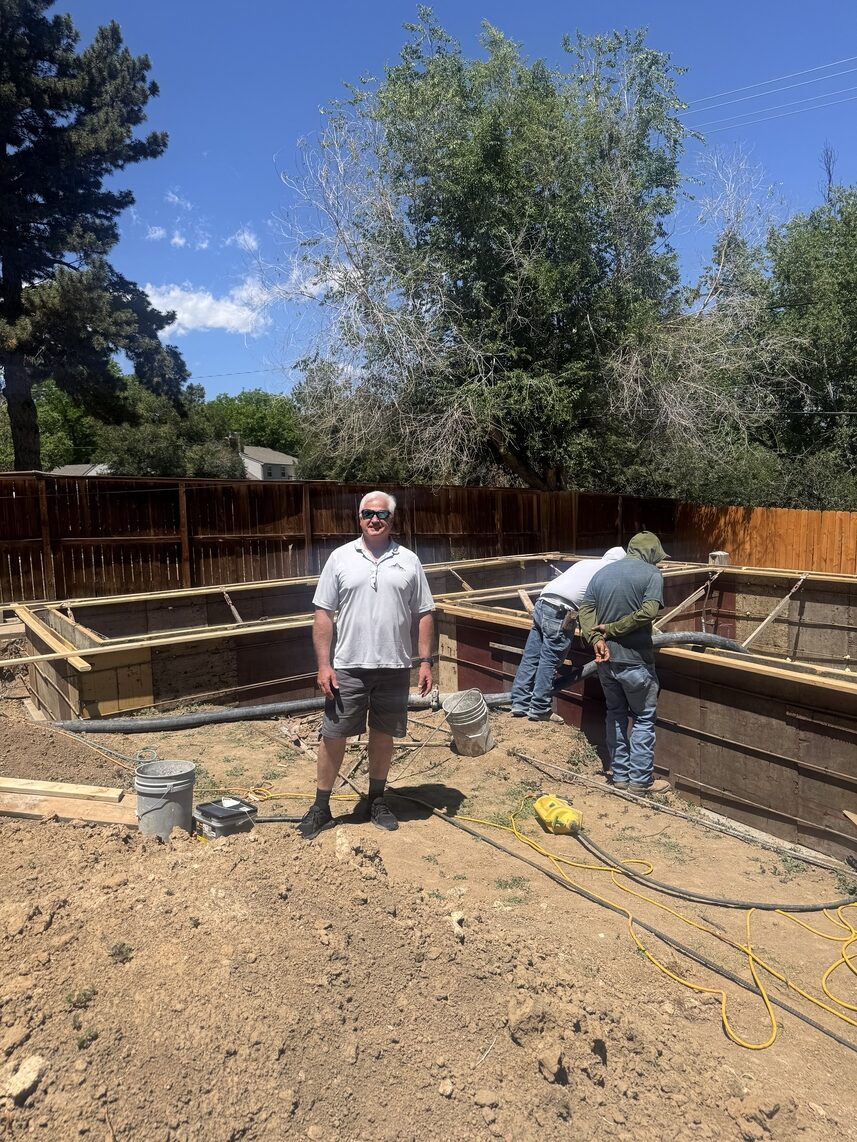
A brand-new home may look impressive at first, but its true quality shows with time. Years after construction is complete, a well-built home should continue to function efficiently, withstand everyday demands and support the changing needs of the family living there.
Christopher Terry has spent 37 years helping homeowners create spaces designed for long-term value. As a licensed general contractor based in Greenwood Village, he serves homeowners throughout Denver and the surrounding communities through Premier Consulting & Construction Inc, a family-owned operation.
His work focuses on new residential construction and accessory dwelling units (ADUs), helping clients make thoughtful decisions about how their properties can better serve their needs today and in the future.
Terry’s mission is to deliver high-quality builds on time and on budget, and achieving that goal requires much more than completing a project by a deadline. Every decision, from initial planning conversations to design selections and construction details, plays a role in how a home performs years down the road.
In Terry’s view, lasting quality comes from getting the fundamentals right. Careful planning, durable materials, skilled craftsmanship, and experienced project management all work together to create a home that stands the test of time.
Getting Clarity Before Breaking Ground
For Terry, successful construction begins long before the first day on the job site. His turnkey process starts with an initial vision consultation and continues through the certificate of occupancy.
“Planning is HUGE!,” he said.
Throughout the project, clients have one main point of contact, ensuring that the ideas and decisions made early on carry through each stage of the construction process.
The first conversations focus on what the homeowner wants the finished space to look like and, just as importantly, how they plan to use it. Terry takes the time to listen and ask questions that clients may not have thought about yet, leading to better opportunities and preventing rushed decisions.
“We educate the client as we plan with them,” he said. “That great communication serves everyone very well.”
Before any contract is signed, Terry’s team reviews important details with the property owner, including permits, inspections and expected timelines. These discussions are documented in writing, giving homeowners something to reference throughout the project.
This preparation gives clients and the construction team more time to spot potential challenges before construction begins. A late product selection can affect both pricing and delivery schedules, while a missed local requirement could mean changing part of the design after the work has already begun.
Preparation is just as important when it comes to setting realistic expectations about cost. Online advertisements can sometimes create unrealistic expectations when they show a price without explaining what is included.
“Watching false ads leads to false numbers in their head,” Terry explained.
He encourages clients to ask the builder which rules and costs apply to their specific property. Local regulations can vary, especially when it comes to ADUs. Size limits, utility rules, all-electric construction and fire suppression systems can all impact the final design and budget.
While an ADU may be smaller than a traditional home, it is still a complete living space. Every square foot matters because the layout must make good use of a limited amount of space.
Finish selections influence much more than appearance. The materials and products a homeowner chooses can affect the home’s durability, functionality and long-term value.
Terry’s clients work with a coordinator who helps them select exterior and interior finishes from a wide range of trusted suppliers at no additional cost. These suppliers offer quality products at competitive prices, helping homeowners achieve the look they want while staying within their budget.
By making selections early, the team can also account for product availability and lead times, reducing delays and helping the project move forward efficiently.
Quality Craftsmanship From Start to Finish
Once construction begins, the plans and product selections must be brought to life correctly. A home may look finished during the final walkthrough, but Christopher Terry believes the quality of the work should remain evident long after the construction team has left.
“Build it once correctly and it lasts for decades as it should,” he said. “That’s our motto.”
That philosophy guides the way Terry approaches every project. A successful build is not simply one that reaches completion, but that continues delivering value through years of everyday use.
Durable materials, proven building practices and skilled craftsmanship all play a role in creating that long-term performance. Strong project management is just as essential, ensuring that schedules, inspections, materials and homeowner decisions come together in the correct order.
“Our team consists of many prideful tradesmen,” Terry said. “They love to see their work come together and bring the home to life. Most of our people have been with us for many, many years and certainly are lifelong craftsmen.”
Management software and daily project monitoring now help Terry’s team track responsibilities and reduce the chance that important work is missed.
“Today’s software holds everyone accountable,” Terry noted.
While technology provides valuable support, assisting with organization and efficiency, it cannot replace the knowledge and judgment that come from years in the field.
Terry remains involved as the general contractor, while his project managers oversee the day-to-day work and keep homeowners informed throughout the building process.
Homeowners have access to members of the team throughout construction, and Terry encourages them to call whenever they have a question or concern.
Weekly walkthroughs give clients another opportunity to stay informed. Clients can see what has been completed so far, learn more about what is coming next and discuss decisions while the team still has time to address them.
Terry encourages families to choose a contractor with the proper qualifications for the work they are doing. He holds a Class A general contractor license, the highest classification, allowing him to manage unlimited commercial and residential construction projects.
Still, he views licensing as one part of a larger decision. Experience and a capable management team also matter because both affect how well the project moves from initial vision to a completed home.
ADUs: Small Spaces With Far-Reaching Benefits
Terry’s team has completed hundreds of ADUs, especially as demand for these smaller residential units grows throughout Colorado. Their popularity comes from the flexibility they offer, helping homeowners make the most of the property they already own.
For many families, an ADU provides a practical way to create additional living space for loved ones, whether they are grandparents, aging parents or extended family members. Relatives can remain close to one another without having to live under the same roof.
Adult children may also use an ADU as a first home without having to leave the family’s property. Terry views this as one example of how thoughtful construction decisions can contribute to long-term generational value.
ADUs can also serve different purposes over time. A space designed for one family member today could later become a rental unit that generates additional income.
The range of possible uses makes ADUs attractive to many clients, but their value still depends on the quality of the finished work. A poorly planned small home can waste valuable space, while a carefully designed one can make each part of the layout useful.
An ADU planned for an aging parent may need to function differently from one intended for an adult child or a future renter, and the client’s goals should guide the process from the beginning. Terry’s turnkey approach helps clients move through each stage with confidence, knowing that their needs are being addressed at every turn.
Relationships Built Alongside Homes
Through Premier Consulting & Construction Inc., Terry has developed relationships with clients who refer him to other property owners and come back with new construction needs. Those relationships often continue after the final inspection because clients still have questions or future plans for the home.
“We do not leave questions unanswered or fail to take the time to explain anything the customer may not fully understand,” Terry said.
Once someone becomes a client, Terry allows that person to continue calling about needs both large and small as a professional courtesy.
“That’s a very useful ace up their sleeve to have a well-respected builder and all his resources at their access 24/7 – 365,” he said.
Some of those working relationships have also developed into friendships. Terry finds the work especially rewarding when a new home or ADU improves a family’s daily life.
“I love to see people benefit from our work,” he said. “Creating financial wellness in the lives of our community brings a lot of career satisfaction.”
Christopher Terry plans to keep the same quality and ethical standards that have guided his work for the past 37 years. For him, quality residential construction is measured by how well the completed home continues serving its owners.
When a home is planned carefully and built correctly the first time, it becomes a lasting investment that can support families for decades.
Get gorgeous projects via email
