

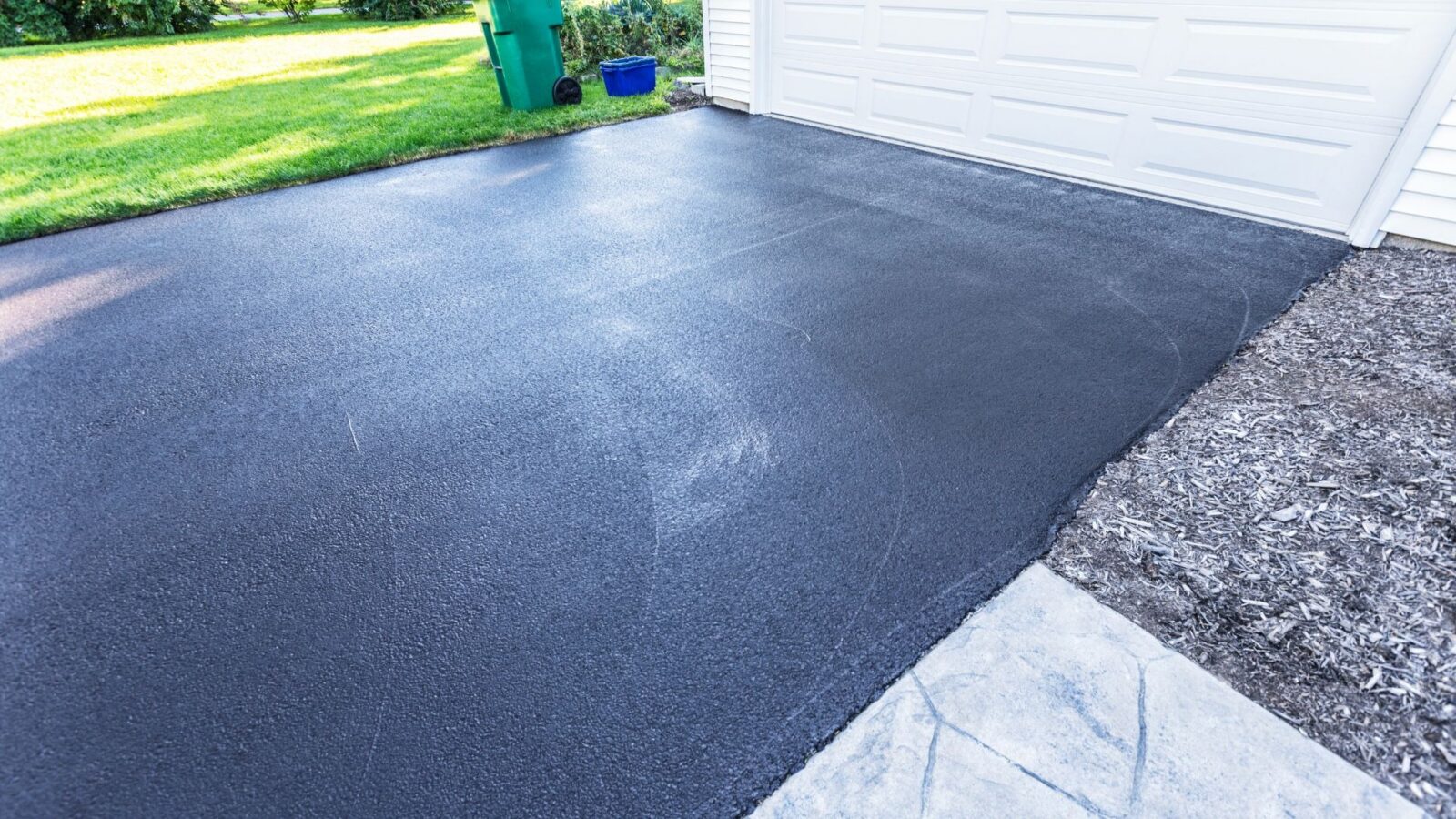
A driveway takes more abuse than almost any other surface on a property. Sun, rain, freezing temperatures, and daily vehicle weight all work against it year-round. The good news is that a little regular maintenance goes a long way toward keeping asphalt looking sharp and lasting decades instead of years. Here are ten essential tips every homeowner should know.
1. Seal Cracks the Moment They Appear
Small cracks might look harmless, but they’re an open invitation for water to work its way beneath the surface. Once water gets in, freeze-thaw cycles can turn a hairline crack into a much bigger problem within a single season. A quick pass with crack filler, done as soon as cracks show up, is one of the cheapest and most effective maintenance habits a homeowner can build.
2. Sealcoat on a Regular Schedule
Sealcoating creates a protective barrier against UV rays, water, and the everyday chemical exposure that comes from oil and gas drips. Most professionals recommend sealcoating every two to three years, depending on climate and traffic. Skipping this step lets the asphalt oxidize and become brittle much faster than it otherwise would.
3. Keep Drainage Clear
Standing water is one of asphalt’s biggest enemies. Clogged gutters, blocked drains, or poor grading near the edges of a driveway can send water pooling right where it shouldn’t be. Checking drainage after heavy storms and clearing debris from low points helps prevent water damage before it starts.
4. Avoid Parking Heavy Vehicles in the Same Spot
Repeatedly parking the same heavy vehicle in one exact spot concentrates stress on that section of pavement. Over time, this can lead to depressions or localized cracking. Rotating parking spots slightly, when possible, distributes wear more evenly across the surface.
5. Clean Up Oil and Chemical Spills Quickly
Asphalt is petroleum-based, which means other petroleum products, like motor oil, gasoline, and certain solvents, can soften and weaken it on contact. Wiping up spills as soon as they happen, rather than letting them sit, prevents soft spots from forming in the surface.
6. Watch for Alligator Cracking
A web-like pattern of interconnected cracks, often called alligator cracking, is a sign that trouble has moved beyond the surface. This pattern usually points to a failing base layer underneath the asphalt rather than a simple surface issue. Catching it early means a homeowner has more options before the problem requires a full resurfacing project.
7. Trim Back Nearby Tree Roots
Trees planted too close to a driveway can cause serious problems as their roots grow. Roots pushing up from below can crack and heave asphalt from underneath, an issue that surface repairs alone can’t fix. Keeping an eye on nearby landscaping, and addressing aggressive root growth early, protects the pavement long term.
8. Don’t Ignore Minor Potholes
A small pothole rarely stays small. Water gets into the opening, freezes, expands, and widens the damage with every passing season. Filling minor potholes promptly, rather than waiting for them to grow, keeps repair costs manageable and prevents a bigger resurfacing job later.
9. Schedule Professional Inspections
Not every issue is visible to an untrained eye. A professional can spot early signs of base failure, drainage problems, or aging asphalt before they become expensive repairs. Companies offering residential asphalt paving and repair services typically recommend a periodic inspection, especially for driveways more than a few years old, to catch problems while they’re still manageable.
10. Plan for Resurfacing Before Full Replacement Becomes Necessary
Every driveway eventually needs more than routine maintenance. Resurfacing, which adds a new layer of asphalt over a structurally sound base, extends a driveway’s life significantly and costs far less than a full replacement. Watching for the signs that resurfacing is due, rather than waiting until the base itself fails, keeps a driveway project affordable and manageable.
Final Thoughts
None of these maintenance habits require special equipment or advanced skills. A little consistent attention, sealing cracks early, keeping drainage clear, and scheduling periodic professional checks, adds years to a driveway’s life. Homeowners who stay ahead of small issues almost always spend less over time than those who wait until a driveway demands a complete overhaul.
Get gorgeous projects via email
