

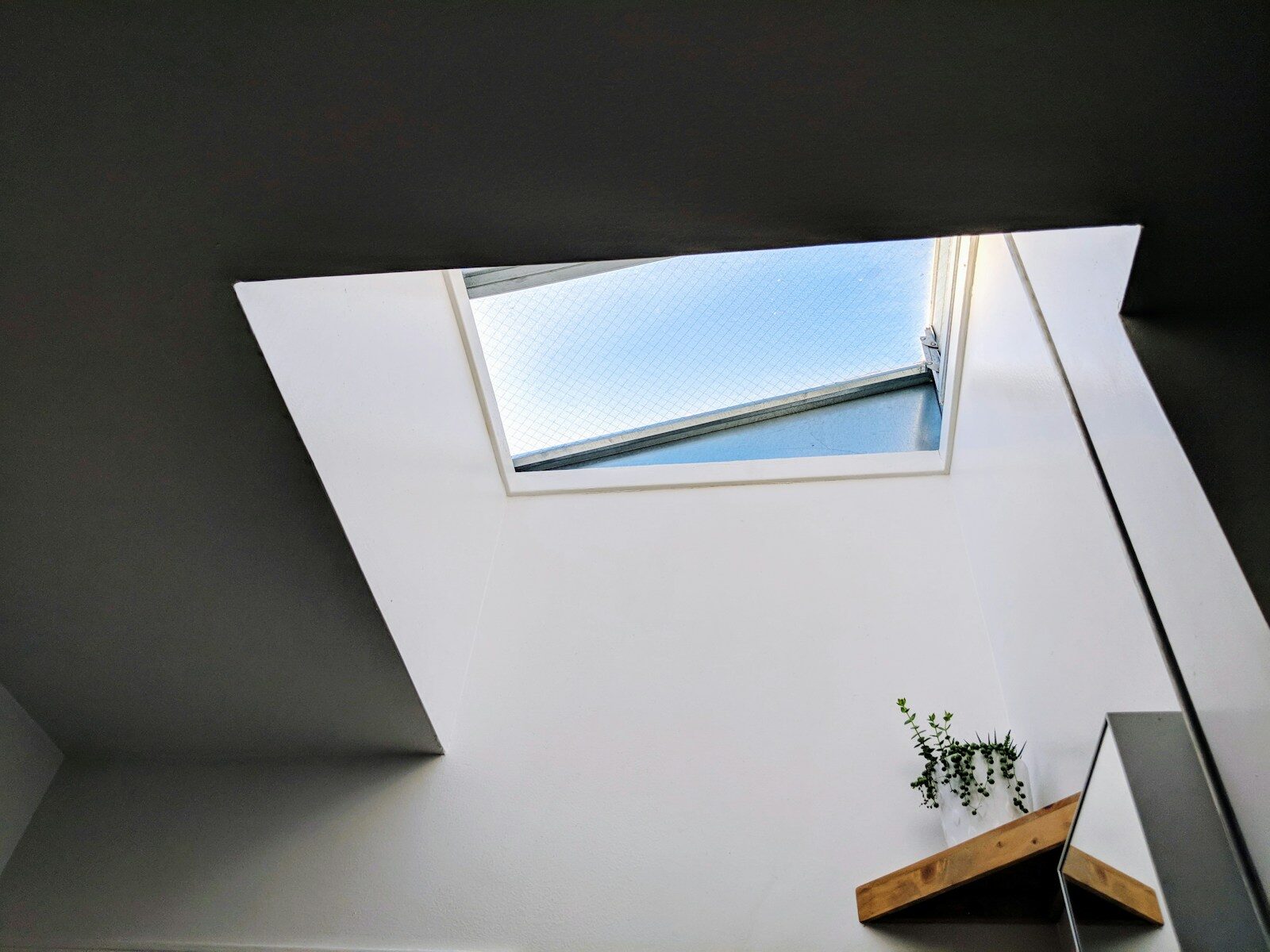
Natural light has a remarkable way of transforming a home. I still remember walking into a friend’s renovated Sydney terrace house for the first time. What had once felt narrow and dim was now bright, welcoming, and full of life. The secret was not a larger floor plan or expensive décor. It was carefully chosen skylights that allowed sunlight to pour into spaces that previously relied on artificial lighting.
For homeowners planning a renovation, introducing natural light can dramatically improve comfort, aesthetics, and property value. Whether you’re upgrading a heritage home, modernizing a suburban property, or enhancing a contemporary build, selecting the right skylight can make a lasting difference. Understanding your options and choosing products suited to Sydney’s climate will help create a space that feels brighter, more spacious, and more enjoyable year-round.
Why Skylights Are a Popular Choice in Sydney Homes
Sydney homeowners increasingly seek ways to maximize natural light while reducing reliance on electricity. Skylights offer a practical and visually appealing solution.
Natural sunlight can:
- Brighten dark hallways and interior rooms
- Reduce daytime lighting costs
- Create a greater sense of space
- Improve mood and wellbeing
- Enhance ventilation when operable models are installed
Beyond functionality, skylights add architectural character. A carefully positioned skylight can become a focal point, drawing attention upward and making rooms feel larger than their actual dimensions.
Many renovation projects now include skylights in sydney because they complement both traditional and modern architectural styles while improving everyday living conditions.
Skylights in Sydney: Understanding Your Options
Choosing the right skylight begins with understanding the different types available. Each option serves a specific purpose depending on your home’s layout and renovation goals.
Fixed skylights remain permanently sealed and focus entirely on bringing light into a room. They work well in living rooms, stairwells, and spaces where additional ventilation is unnecessary.
Ventilated skylights can be opened manually or electronically. These models help remove heat, moisture, and stale air from kitchens, bathrooms, and upper-story rooms.
Tubular skylights use reflective tubes to channel sunlight into smaller spaces. They are ideal for hallways, wardrobes, and compact areas where traditional skylights may not fit.
Custom skylight systems provide flexibility for unique architectural designs and larger renovation projects. These solutions allow homeowners to achieve a tailored look while maximizing daylight penetration.
Understanding these differences helps narrow down choices and match the skylight type to the room’s specific requirements.
Matching Skylights to Different Areas of Your Home
Not every room benefits from the same skylight design. Selecting the appropriate style based on room function can dramatically improve results.
Living Areas
Large fixed skylights often work beautifully in open-plan living spaces. They create a bright, airy atmosphere and establish a stronger connection with the outdoors.
Kitchens
Kitchens benefit from both natural light and airflow. Operable skylights can help release cooking odors and excess heat while illuminating work surfaces.
Bathrooms
Bathrooms often lack exterior windows. Skylights introduce privacy-friendly natural light while reducing moisture buildup when ventilation features are included.
Bedrooms
Carefully positioned skylights can create a relaxing environment. Some homeowners choose models with blinds or tinting systems for greater control over light levels.
Hallways and Staircases
These commonly overlooked spaces become brighter and more inviting with tubular or compact skylight installations.
The key is tailoring the solution to how each room is used throughout the day.
Factors That Influence Skylight Performance
A skylight’s effectiveness depends on more than its appearance. Several factors determine how well it performs over time.
The orientation of your roof affects the amount of sunlight entering the home. North-facing skylights typically provide consistent daylight, while western exposures may introduce stronger afternoon heat.
Glazing technology also plays a major role. Modern double-glazed and low-emissivity glass options help manage heat transfer and improve energy efficiency.
Other factors include:
- Roof pitch and structure
- Ceiling height
- Room dimensions
- Local climate conditions
- Desired ventilation levels
Working with experienced professionals allows homeowners to identify the ideal combination of features for their renovation goals.
The Role of Energy Efficiency in Modern Renovations
Energy-conscious design has become a major focus for Australian homeowners. Skylights contribute positively when selected and installed correctly.
Modern skylight systems are engineered to balance natural light with thermal performance. Advanced glazing technologies help reduce unwanted heat gain during summer while retaining warmth in cooler months.
This balance can lead to lower energy consumption throughout the year. Homeowners may spend less on lighting, heating, and cooling while enjoying a more comfortable indoor environment.
Renovations that prioritize energy efficiency often attract buyers seeking sustainable features, making skylights a smart long-term investment.
Integrating Skylights with Contemporary Design Trends
Today’s renovations often emphasize open spaces, clean lines, and stronger connections between indoor and outdoor environments. Skylights fit naturally within these design principles.
Architects frequently use skylights to:
- Highlight architectural features
- Create dramatic visual effects
- Enhance minimalist interiors
- Increase perceived ceiling height
- Improve indoor-outdoor flow
Natural light interacts differently throughout the day, creating changing patterns and visual interest. This dynamic quality adds depth and character that artificial lighting simply cannot replicate.
When paired with thoughtful interior design, skylights become an integral part of the home’s overall aesthetic.
Combining Skylights with a Glass Roof System
For larger renovation projects, some homeowners explore the benefits of a glass roof in sydney. These installations create expansive light-filled environments that blur the boundary between indoors and outdoors.
Glass roof systems are commonly used in:
- Home extensions
- Alfresco entertaining areas
- Courtyards
- Conservatories
- Modern architectural renovations
When combined with strategically placed skylights, these solutions can flood a property with natural light while maintaining weather protection and visual sophistication.
The result is often a striking architectural feature that enhances both lifestyle and property appeal.
Common Mistakes to Avoid During Skylight Selection
Even high-quality skylights can underperform if planning is overlooked. Avoiding common mistakes can save time, money, and frustration.
Some of the most frequent issues include:
- Choosing the wrong size for the room
- Ignoring roof orientation
- Overlooking ventilation needs
- Selecting poor-quality glazing
- Hiring inexperienced installers
Another common mistake involves focusing solely on appearance without considering long-term performance. A beautiful skylight should also support comfort, durability, and energy efficiency.
Proper planning helps achieve a balance between aesthetics and functionality.
What to Expect During Installation
Understanding the installation process can help homeowners prepare for their renovation project.
Most installations begin with a site assessment to evaluate roof structure, room layout, and desired outcomes. Measurements are taken, product specifications are finalized, and installation timelines are established.
The actual installation process varies depending on roof type and skylight complexity. Many standard installations can be completed within a day, while custom projects may require additional time.
Professional installation helps prevent issues such as leaks, condensation, and poor thermal performance. It also supports compliance with relevant Australian building standards.
Long-Term Maintenance and Care
Skylights are generally low-maintenance additions, but regular care helps preserve their performance and appearance.
Homeowners should periodically inspect:
- Glass surfaces
- Flashing systems
- Seals and gaskets
- Opening mechanisms
- Drainage channels
Cleaning the glass allows maximum light transmission and keeps the skylight looking its best. Routine inspections can also identify minor issues before they become costly repairs.
Many modern skylight systems are designed with durability in mind, offering years of reliable performance with minimal upkeep.
Making the Right Choice for Your Renovation
Every renovation has unique goals, budgets, and architectural considerations. The best skylight is one that complements your home’s design while meeting practical needs.
Taking time to evaluate room placement, energy performance, ventilation requirements, and installation quality can make a significant difference in the final outcome.
Natural light has the power to transform ordinary spaces into extraordinary ones. With thoughtful planning and the right skylight solution, your renovation can create a brighter, more comfortable, and more valuable home that you’ll enjoy for many years to come.
Frequently Asked Questions
What are the benefits of installing skylights in Sydney homes?
The primary benefits include increased natural light, reduced reliance on artificial lighting, improved ventilation, and enhanced property appeal. Skylights can make rooms feel larger and more welcoming while contributing to better energy efficiency. In Sydney’s climate, well-designed skylights can provide year-round comfort when paired with appropriate glazing and installation methods.
How do I choose the right skylights in Sydney for my renovation?
Choosing the right skylight depends on factors such as room size, roof orientation, ventilation needs, and energy efficiency goals. Fixed skylights work well in living spaces, while operable models suit kitchens and bathrooms. Consulting with experienced professionals can help determine the most suitable option for your home’s design and renovation objectives.
Are skylights energy efficient?
Modern skylights are designed with advanced glazing technologies that help regulate indoor temperatures. Double glazing, low-emissivity coatings, and thermally efficient frames reduce heat transfer and improve comfort. When installed correctly, skylights can lower energy usage by decreasing dependence on artificial lighting and supporting natural ventilation.
Do skylights require a lot of maintenance?
Most skylights require only minimal maintenance. Periodic cleaning of the glass surface and inspections of seals, flashing, and opening mechanisms help maintain performance. Modern systems are built to withstand Australian weather conditions and generally provide years of reliable service when properly maintained.
Can skylights increase property value?
Many buyers view natural light as a highly desirable feature. Well-designed skylights can improve a home’s visual appeal, energy efficiency, and overall atmosphere. These benefits often contribute positively to market perception, making skylights a worthwhile addition for homeowners planning future resale opportunities.
Get gorgeous projects via email
