

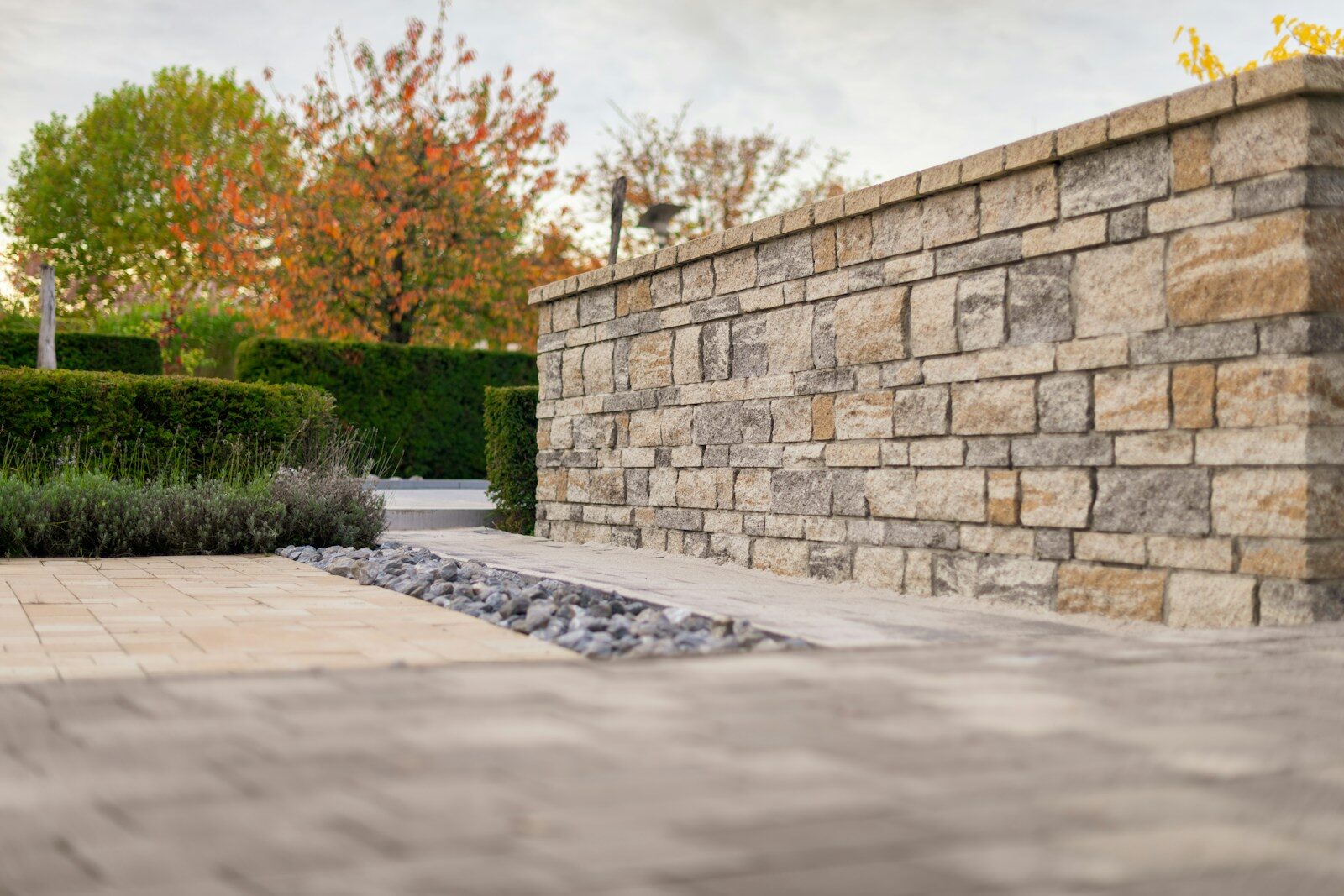
Australian architecture has always borrowed from the landscape that surrounds it. From the warm sandstone facades of Sydney’s heritage terraces to the sun-bleached limestone of coastal Perth homes, stone has long been a quiet partner in our sense of place. In 2026, that partnership is becoming louder. Specifiers across residential, hospitality, and commercial sectors are returning to natural stone with renewed seriousness, and the choices they are making say a great deal about where the industry is heading.
This year is shaping up to be a turning point for stone specification. After several cycles dominated by engineered surfaces and high-gloss minimalism, architects and interior designers are leaning back into materials with provenance, depth, and longevity. The trends below are shaping how natural stone is being drawn, detailed, and delivered into Australian projects right now.
Provenance is becoming a design statement
Where a slab comes from is no longer an afterthought tucked into a schedule. Clients are asking for the quarry, the country, and sometimes the specific block number. This shift mirrors what has happened in food and fashion, where origin has become a marker of quality and integrity.
Italian Calacatta and Statuario remain the headline acts for marble. Greek Thassos still leads for pure whites. But 2026 is seeing a notable rise in less expected sources, including Brazilian quartzites, Turkish travertines, and a slow renaissance in Australian sandstone for select feature walls. Architects who once specified by colour and finish are now specifying by lineage, which means the relationship with the supplier has become more consultative than transactional.
Quartzite is the quiet star
Marble holds the cultural imagination, but quartzite is winning more of the actual contracts. Its appeal is straightforward. It carries the visual softness of marble, with a durability profile closer to granite, which makes it suitable for kitchens and high-traffic surfaces where etching and staining were previously a concern.
In 2026, quartzites such as Taj Mahal, Mont Blanc, and Sea Pearl are moving from boutique residential into hospitality and even premium retail fit-outs. The conversation has shifted. Where briefs used to ask whether a project should use marble or engineered surfaces, they now ask whether marble or quartzite is the better fit, and the answer is increasingly the latter for surfaces that need to perform.
For kitchens specifically, the demand for natural stone benchtops Sydney specifiers can rely on has driven much of this momentum. The logic is simple: clients want the look of luxury without the maintenance anxiety, and quartzite delivers that compromise gracefully alongside the marbles and dolomites that still anchor the category.
Honed, leathered, and brushed finishes outpace polish
High-polish surfaces still have their place, but the 2026 default has shifted. Honed finishes lead for residential benchtops and bathrooms because they read softer, hide minor wear better, and photograph beautifully under both natural and warm artificial light. Leathered finishes are gaining traction in kitchens and outdoor entertaining areas for their tactile, slightly textured surface. Brushed finishes are emerging as a specification favourite for vanity tops and feature walls where designers want subtle dimension without going fully rustic.
The takeaway for specifiers is that finish selection is doing more design work than ever. Two identical slabs can read entirely differently depending on whether they are honed or polished, and project briefs are starting to acknowledge that explicitly.
Larger formats, fewer joins
The technical capability of stone fabricators has improved markedly over the last five years, and architects are using that capability to push for larger formats. Six-metre island benches with no visible joins, full-height shower walls in a single slab, and continuous waterfall edges that wrap a full kitchen are no longer rare requests.
This is partly aesthetic and partly practical. Fewer joins means fewer points of failure, less visual interruption to veining, and a cleaner read for the overall design. It does, however, place greater demand on selection. Book-matching across larger surfaces, vein continuity around mitred edges, and slab consistency for a single project are all conversations that need to happen at the showroom, not in the joinery factory.
Bathrooms are the new hero room
Kitchens have dominated stone specification for a generation. In 2026, bathrooms are catching up. Floor-to-ceiling stone walls, monolithic basins carved from a single block, integrated stone shelves, and stone bath surrounds are appearing in projects that would previously have defaulted to tile.
Part of this is driven by client expectations shaped by hotel and short-stay design. Australians have stayed in too many beautiful European hotels not to want a version of that experience at home. The other driver is the growing acceptance that stone, properly sealed and specified, performs reliably in wet areas.
Sustainability conversations are sharpening
Natural stone has a strong sustainability case to make. It is mined, cut, and finished without the petrochemical resins that bind engineered surfaces, and it lasts for generations rather than decades. In 2026, that case is being made more explicitly in specification documents, particularly for projects pursuing Green Star or NABERS ratings.
Smart specifiers are also asking about freight emissions, water use in fabrication, and end-of-life reusability. Working with a knowledgeable natural stone supplier Australia trusts has become important not just for product quality, but for the documentation trail that supports sustainability claims and the assurance that each slab has been handpicked rather than bulk shipped.
Colour is creeping back in
The all-white, all-grey palette that dominated the late 2010s and early 2020s is loosening. Warmer creams, soft beiges, and earthy greens are entering kitchens and bathrooms. Bold statement stones such as Patagonia, Cipollino Ondulato, and dramatic onyxes are being specified for powder rooms, bar fronts, and reception desks where a single hero surface can carry the whole room.
This is not a return to the busy granites of the early 2000s. It is more considered, often pairing one expressive slab with quieter materials elsewhere in the space. The result is rooms that feel collected rather than coordinated.
Outdoor stone is finally being specified properly
For years, outdoor stone in Australia meant either travertine pavers or generic bluestone. In 2026, specifiers are treating outdoor stone with the same rigour as indoor surfaces. Slip ratings, thermal performance, salt resistance for coastal sites, and freeze-thaw considerations for alpine regions are all being detailed properly.
Outdoor kitchens are the clearest example. Clients now expect the outdoor benchtop to match the indoor one, or to relate to it in a deliberate, designed way. Suppliers who can provide matched indoor and outdoor stone, with appropriate finishes for each, are winning more of those briefs.
What this means for specifiers
The thread running through these trends is consultation. Natural stone in 2026 is not a category that rewards catalogue specification. The best results are coming from projects where the architect, designer, builder, and supplier sit down together early, look at actual slabs, and make decisions based on the material in front of them rather than a swatch on a screen.
For Australian projects, that means the relationship with a trusted local supplier matters more than ever. A good supplier will guide selection, advise on finish, coordinate matched slabs across a project, and connect the team with the right stonemasons. They will also be honest about what a stone can and cannot do, which protects the project from costly assumptions later.
Natural stone has never stopped being beautiful. What has changed in 2026 is how seriously the industry is taking it again. For specifiers willing to engage with the material on its own terms, the rewards are significant. Spaces that feel grounded, finishes that age gracefully, and projects that will still feel considered in twenty years are all within reach when the right stone is paired with the right team. In a market that has spent a decade chasing the next engineered novelty, the return to natural stone is starting to feel less like a trend and more like a correction.
Get gorgeous projects via email
