

Mirrors do more than reflect light. They define proportion, shape, ambiance, and anchor high-traffic spaces. For interior designers, specifying the right custom mirrors for vanities and foyers is a considered decision. Both spaces call for attentive planning around scale, materials, and placement. Understanding how these factors work together helps designers deliver results that are functional and visually compelling. A mirror in the wrong scale or finish can undermine an otherwise polished scheme.
Understanding Scale and Proportion
A mirror’s dimensions should relate directly to its surroundings. For vanities, aligning mirror width with the cabinet below creates visual harmony. Going too narrow looks disconnected. Going too wide can overwhelm the wall.
In foyers, scale reads differently. A larger mirror commands attention and signals a strong design intention. Ceiling height is a key variable here. Taller ceilings favor vertical formats. Lower ceilings work better with horizontal orientations.
 Pin
PinLike this design? Find it here: Partners Art
Shape also plays a role. Round mirrors soften angular bathrooms. Rectangular and arched formats reinforce architectural structure in hallways and formal entryways.
Frame Material and Finish Selection
The frame is where a designer’s voice comes through most clearly. Metal options like brushed brass or matte black suit contemporary and transitional interiors. Wood frames with carved or lacquered surfaces work well in traditional or eclectic schemes.
For vanity applications, moisture resistance is essential. Sealed wood or powder-coated metal holds up in humid environments. Foyer placements allow for more decorative finishes. The space is dry and highly visible, so ornamentation can take center stage.
How Light Interacts With Placement
Mirrors respond to their light sources. In a vanity setting, flanking the piece with two sconces provides even, shadow-free illumination. A single overhead fixture creates unflattering shadows on the face.
In foyers, positioning a mirror opposite a window amplifies natural light. The entry feels more spacious and inviting as a result. Nearby artificial sources also affect how a frame finish reads. Warmer bulbs flatter gold and wood tones. Cooler sources complement chrome and silver.
Functional Versus Decorative Framing Approaches
Vanity mirrors serve a daily, practical purpose. Clean lines and durable frames tend to perform better in those settings. Decorative details should complement surrounding fixtures rather than compete with them.
Foyer mirrors lean toward statement-making. They often function as artwork. Ornate profiles, antique finishes, or sculptural silhouettes suit this area well. The piece becomes part of the room’s narrative, not simply a utility item. Leaning oversized mirrors is another approach gaining traction in expansive foyers. This technique adds drama without requiring wall installation.
For custom mirror projects, these framing considerations are worth revisiting:
Frame finish durability and environment compatibility
Mirror shape and proportion relative to surrounding architecture
Frame style alignment with the overall design concept
Specify Custom Mirrors Through a Trade-Only Partner
Partners Art & Framing crafts custom mirrors to designer specifications. Trade account holders receive exclusive pricing, a dedicated representative, and complimentary delivery. The platform is fully online for both mirrors and art, making the configuration and ordering process efficient.
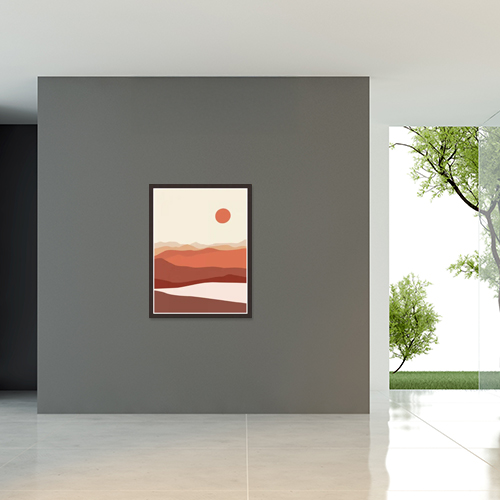 Pin
PinLike this image? Find it here: Partners Art
Whether sourcing a vanity piece or a foyer focal point, the first step is simple. New accounts receive a $500 credit on their initial order. Create your trade account at Partners Art & Framing and start specifying custom mirrors for your next project today.
Get gorgeous projects via email

