

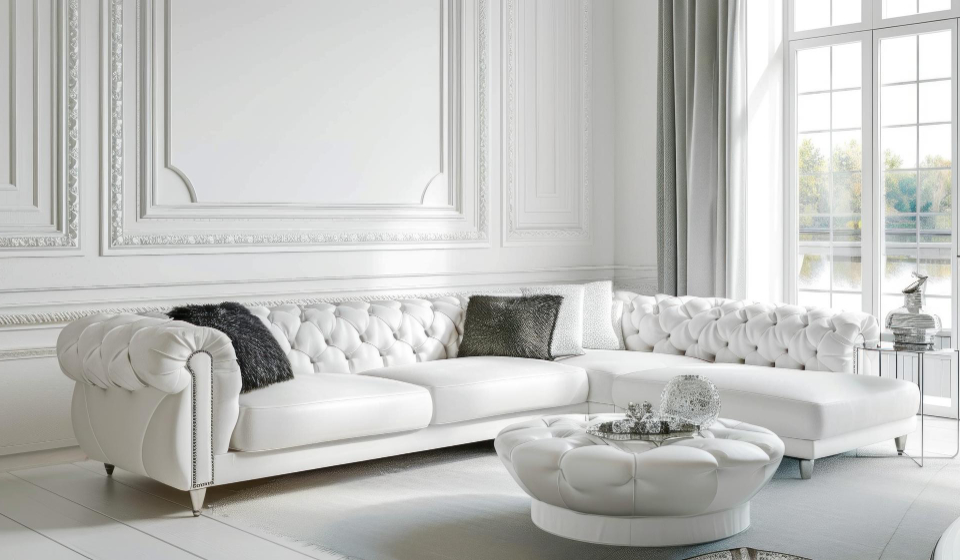
Designing a home that truly feels comfortable goes beyond simply choosing attractive decor. It is about creating a space that supports your lifestyle, encourages relaxation, and promotes a sense of ease in everyday living. Whether you are choosing a well-designed sofa, a supportive bed, or a corner lounge for your Perth home, these choices can greatly influence how your home looks and feels. By selecting the right combination of furniture, it becomes easier to create a home that feels inviting, balanced, and suited to everyday living.
Understanding What Comfort Means in Home Design
Comfort in home design is both physical and emotional. Physical comfort refers to how supportive and functional your furniture and layout are, while emotional comfort relates to how relaxed and at ease you feel in your surroundings. A well-designed home should meet both of these needs seamlessly.
Every household is different, which means comfort is not a one-size-fits-all concept. Some people prefer open and airy spaces, while others feel more at ease in cosy, enclosed areas. Understanding your daily habits and preferences is the first step in designing a home that truly works for you.
Things to Consider When Designing a Comfortable Home
Choosing the Right Furniture for Comfort
Furniture is one of the most important factors in creating a comfortable home. Pieces should not only look appealing but also provide proper support and usability. Sofas should offer enough depth and cushioning for relaxation, while chairs should support posture without causing strain.
Beds, lounges, and dining chairs all contribute to how comfortable your home feels. Selecting the right size is just as important as choosing the right design. Oversized furniture can make a room feel cramped, while pieces that are too small may not provide adequate comfort. Striking the right balance ensures your space remains both functional and inviting.
Optimising Layout for Flow and Functionality
A thoughtful layout plays a major role in enhancing comfort. Rooms should be arranged in a way that allows easy movement without obstacles or clutter. When spaces are too cramped or overly crowded with furniture, they can quickly feel overwhelming rather than relaxing.
Open layouts can create a sense of freedom, but it is equally important to maintain defined areas for different activities. Creating clear zones for relaxing, dining, and working helps maintain balance and prevents the home from feeling chaotic. A well-planned layout supports both convenience and comfort, making everyday routines smoother.
The Role of Lighting in Creating a Comfortable Atmosphere
Lighting has a powerful impact on how a home feels. Natural light can instantly make a space feel more open and uplifting, while artificial lighting helps create mood and warmth during the evening. A combination of both is essential for a well-balanced home.
Layered lighting works best for comfort. This includes ambient lighting for overall brightness, task lighting for specific activities, and accent lighting to highlight features or create a cosy atmosphere. Choosing the right light temperature also matters, as warmer tones tend to feel more relaxing and inviting.
Creating Comfort Through Smart Furniture Choices
Certain furniture pieces can directly enhance comfort when chosen thoughtfully. For example, a supportive sofa encourages relaxation after a long day, while a supportive chair improves posture during daily activities. A well-designed bed is equally important, as it directly impacts sleep quality and overall well-being.
When considering options such as beds with free mattresses, it becomes easier to combine comfort with practicality. A quality bed paired with the right mattress ensures proper support and restful sleep, while complementary furniture like bedside tables and storage units helps maintain an organised and calming environment.
Colour Psychology and Comfort
Colours influence mood more than many people realise. Soft, neutral tones tend to create a calm and relaxing atmosphere, while brighter shades can add energy and personality to a space. The key is to strike a balance that suits your preferences without overwhelming the senses.
Using a consistent colour palette throughout the home helps create harmony. Subtle contrasts and accents can add visual interest while maintaining a cohesive and comfortable feel. Thoughtful colour choices contribute significantly to the overall ambience.
Smart Storage Solutions for a Clutter-Free Space
Clutter can quickly disrupt the comfort of any home. A well-organised space feels more open, calm, and manageable. Smart storage solutions help keep belongings out of sight while maintaining easy access when needed.
Furniture that doubles as storage can be especially useful in maintaining a tidy environment. Keeping surfaces clear and organised contributes to a more relaxing atmosphere, allowing you to fully enjoy your space without distractions.
Conclusion
Designing your home for maximum comfort is about creating a balance between style, functionality, and personal preference. Every element, from layout and lighting to furniture and materials, plays a role in shaping how your home feels.
By making thoughtful choices and focusing on what truly supports your lifestyle, you can transform your space into a place that feels both inviting and practical. Comfort is not achieved through one single change but through a combination of details that work together to enhance everyday living.
Frequently Asked Questions
What is the most important factor in designing a comfortable home?
The most important factor is achieving a balance between functionality and personal comfort. A well-planned layout, supportive furniture, and appropriate lighting all work together to create a space that feels both practical and relaxing.
Does furniture really impact home comfort?
Furniture plays a major role in overall comfort. Supportive seating, well-sized pieces, and quality materials contribute to both physical ease and visual balance.
How does lighting affect comfort in a home?
Lighting influences both mood and functionality. Natural light helps create an open and refreshing atmosphere, while layered artificial lighting allows flexibility for different activities.
How important is layout in home comfort?
Layout is essential for ensuring ease of movement and functionality. A well-organised space prevents clutter and allows each area of the home to serve a clear purpose.
What role does a bed play in overall home comfort?
A bed is one of the most important elements in a home, as it directly affects sleep quality and wellbeing. A supportive mattress and well-designed bed frame contribute to better rest, which in turn improves overall comfort in daily life.
Get gorgeous projects via email
