

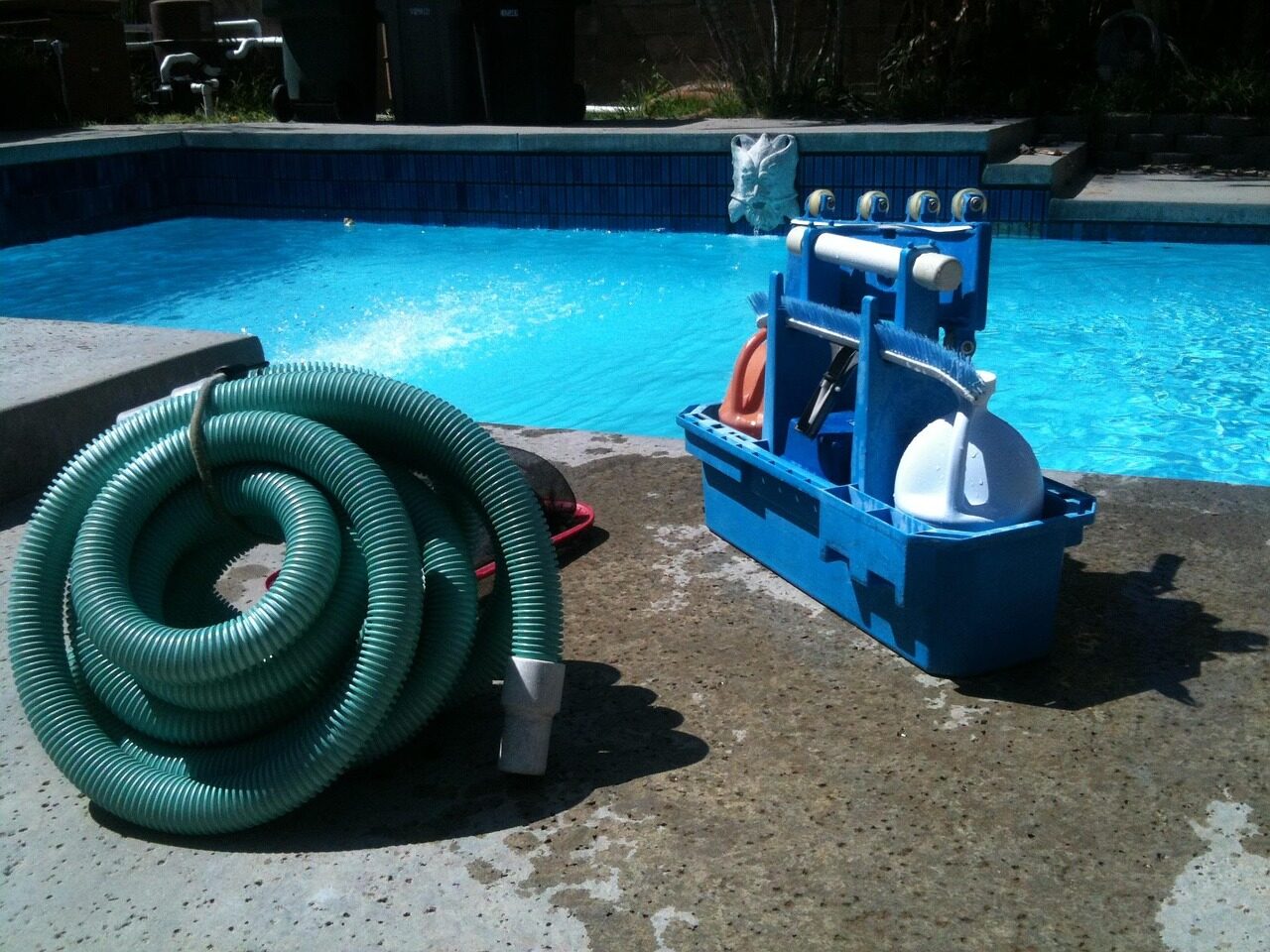
Owning a pool in the Valley of the Sun is one of the best parts of living in Arizona. With triple-digit summers and sunshine nearly year-round, your pool isn’t just a backyard feature — it’s a necessity. But maintaining it properly in the desert climate is more demanding than most homeowners expect.
Because of extreme heat, hard water, dust storms, and heavy usage, pool maintenance in Phoenix, AZ requires more than occasional cleaning and adding chlorine. While DIY care may seem cost-effective at first, professional pool maintenance is often the smarter, safer, and more economical long-term solution.
Here’s why.
Pool Maintenance in Phoenix Is More Demanding Than You Think
Phoenix presents unique challenges that make pool care more complex than in milder climates.
Extreme Summer Heat
Temperatures regularly exceed 110°F in summer. This causes:
- Rapid chlorine burn-off from UV exposure
- Accelerated algae growth
- Increased evaporation
- Greater strain on pumps and filters
In these conditions, chemical levels can change in just days — sometimes even hours.
Hard Water and Mineral Buildup
Phoenix water contains high levels of calcium and minerals. Without proper monitoring, this leads to:
- Calcium scaling on tile and plaster
- Cloudy water
- Clogged filters
- Reduced heater efficiency
- Permanent surface damage
Managing calcium hardness properly requires experience and consistent chemical balancing.
Dust Storms and Monsoon Season
Desert winds regularly fill pools with debris, dirt, and organic material. This affects:
- Water clarity
- Filtration performance
- Chemical balance
Professional technicians know how to restore water balance quickly after storms and prevent long-term damage.
The Hidden Risks of DIY Pool Maintenance
Many homeowners attempt to manage their own pool care. While this can work temporarily, Phoenix conditions often make DIY maintenance risky.
1. Inconsistent Chemical Balancing
Proper water chemistry isn’t just about adding chlorine. It involves maintaining:
- pH
- Alkalinity
- Calcium hardness
- Stabilizer levels
- Sanitizer balance
In Phoenix, high UV exposure destroys chlorine quickly, and evaporation concentrates minerals. Without precise testing and adjustments, water can become unsafe or corrosive.
Even small imbalances can cause:
- Skin and eye irritation
- Equipment corrosion
- Scaling
- Algae outbreaks
Professionals use calibrated testing methods and understand how local conditions affect water chemistry.
2. Equipment Damage From Missed Warning Signs
Pool equipment works overtime in the Arizona heat. Pumps often run 8–12 hours per day in summer. Small issues — like reduced water flow or air bubbles — may signal bigger problems.
Homeowners often miss early signs of:
- Pump motor strain
- Filter blockages
- Leaks
- Heater scaling
- Valve failures
Professional pool maintenance in Phoenix, AZ includes routine inspections that catch minor issues before they become expensive repairs.
Replacing a pump motor or resurfacing a scaled pool can cost thousands. Preventative service saves significant money long-term.
3. Time Commitment Adds Up Quickly
Proper weekly maintenance typically includes:
- Skimming debris
- Brushing walls and tile
- Vacuuming
- Testing and adjusting chemicals
- Cleaning baskets
- Checking equipment
- Inspecting filters
In Phoenix, this can take 1–3 hours per week — more after storms or during peak summer heat.
Over a year, that’s more than 100 hours spent on pool care.
Professional service gives you your weekends back while ensuring consistent results.
Why Professional Pool Maintenance Is the Better Investment
Choosing professional pool maintenance in Phoenix, AZ isn’t just about convenience — it’s about protection and long-term value.
1. Expert Water Chemistry Management
Professionals understand:
- How heat affects chlorine demand
- How to prevent calcium scaling
- When to shock the pool
- How to maintain proper stabilizer levels
- How to adjust chemistry after storms
This expertise prevents:
- Algae blooms
- Surface damage
- Equipment corrosion
- Unsafe swimming conditions
Balanced water also extends the life of plaster, tile, pumps, and heaters.
2. Protection Against Hard Water Damage
Hard water is one of the biggest threats to Phoenix pools. Once calcium scale forms, removal can require:
- Acid washing
- Bead blasting
- Tile scraping
- Surface refinishing
Professional technicians proactively manage calcium hardness and pH to prevent buildup in the first place.
Preventative care is always less expensive than corrective repair.
3. Early Detection of Costly Problems
Routine professional visits include:
- Equipment inspections
- Leak detection
- Filter performance checks
- Pump and motor evaluation
- Heater inspection
Catching issues early can prevent:
- Burned-out motors
- Cracked plumbing
- Major leaks
- Energy inefficiency
In the Phoenix heat, small equipment issues escalate quickly.
4. Consistent, Reliable Scheduling
DIY maintenance often gets delayed due to:
- Travel
- Busy schedules
- Extreme heat
- Family obligations
Missing just a week or two in summer can result in cloudy or green water.
Professional pool maintenance in Phoenix, AZ ensures your pool stays swim-ready year-round — even when you’re out of town.
5. Energy Efficiency and Cost Savings
A properly maintained pool runs more efficiently.
Clean filters, balanced water, and optimized pump settings:
- Reduce electricity usage
- Lower water waste
- Extend equipment lifespan
Professional technicians can recommend energy-saving upgrades like variable-speed pumps that significantly reduce utility costs.
What Professional Pool Maintenance Typically Includes
Comprehensive service generally covers:
- Skimming and debris removal
- Brushing tile and walls
- Vacuuming
- Chemical testing and balancing
- Basket cleaning
- Filter inspection
- Equipment checks
- Water level monitoring
This routine approach ensures every component of your pool system works properly — not just the water surface.
The Real Cost Comparison: DIY vs. Professional
DIY pool care may seem cheaper, but hidden costs include:
- Chemical overuse or misuse
- Equipment damage
- Water waste
- Surface scaling
- Time investment
- Emergency algae treatments
When factoring in potential repairs and your personal time, professional pool maintenance in Phoenix, AZ often proves to be more cost-effective.
Peace of Mind in the Arizona Heat
Phoenix summers are intense. The last thing you want is to discover your pool has turned green during a heatwave or before a gathering.
Professional service provides:
- Reliable water clarity
- Safe swimming conditions
- Equipment protection
- Year-round readiness
Instead of worrying about testing strips and calcium levels, you can simply enjoy your pool.
Final Thoughts
Maintaining a pool in Phoenix is not a casual task. The combination of extreme heat, hard water, dust storms, and year-round usage creates conditions that demand expertise and consistency.
While DIY care may seem manageable at first, the risks of chemical imbalance, scaling, equipment failure, and time loss quickly outweigh the savings. Professional pool maintenance in Phoenix, AZ ensures your investment is protected, your water remains safe, and your pool stays beautiful throughout every season.
Get gorgeous projects via email
