

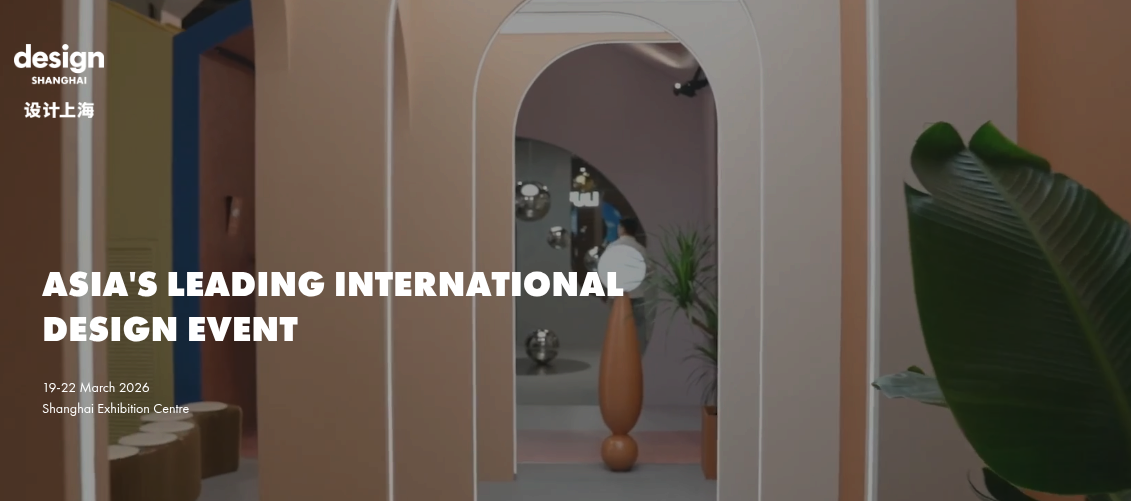
There is a specific energy that hits you when you walk into the Shanghai Exhibition Centre. It isn’t just the grandeur of the architecture; it is the hum of anticipation. For years, this venue has been the backdrop for the evolution of design in Asia. As an architectural writer, I have witnessed many events, but there is something distinct about the return to origins. In March 2026, Design Shanghai returns to this iconic landmark, and frankly, it feels like a homecoming that the industry has been waiting for.
After exploring design trends globally, I’ve learned that the most impactful events are those that balance heritage with forward-thinking innovation. Design Shanghai 2026 promises exactly that—a renewed journey focused on elevated quality and enriched experiences. It is not just about looking at furniture; it is about witnessing the dialogue between Chinese and global design, a conversation that started here in 2014 and has only grown more profound.
Event Overview
- Event Name: Design Shanghai
- Date: 19-22 March 2026
- Location: Shanghai Exhibition Centre
- Official Website: https://www.designshanghai.com/
- Social Media: https://www.instagram.com/design_shanghai
- Visit Info: https://ticket.designshanghai.cn/?lang=en
- Exhibit Info: https://www.designshanghai.com/shanghai-homepage/exhibit/book-stand
- Contact Email: [email protected]
A Return to Iconic Roots
Returning to the Shanghai Exhibition Centre is a significant architectural and curatorial choice. This venue isn’t just a container for exhibits; it is a piece of history. Its prime central location and distinctive architectural character provide a stunning contrast to the modern, often minimalist designs that will be displayed within it. I find that this contrast sparks a unique creative tension—old-world grandeur meeting cutting-edge aesthetics.
This edition marks a renewed focus on “elevated quality.” In my experience, this signals a shift from sheer volume to curated excellence. We aren’t just seeing a display of products; we are seeing a cross-disciplinary event that bridges nature, craftsmanship, and human-centred thinking. It is a return to the essence of why we design: to improve the human experience.
The Four Pillars of Design
The structure of Design Shanghai 2026 is built around four distinct sectors. This segmentation is crucial for navigating the vast amount of creativity on display. It allows visitors to dive deep into specific areas while appreciating the overlaps between them.
- Furniture & Lighting: This is the heartbeat of the event. As the premier destination for creative talent, it showcases the pinnacle of design excellence. It is where form meets function in the most tangible ways.
- Kitchen, Bathroom & Systems Design: Often overlooked, these spaces are where innovation meets luxury. This sector redefines modern living by focusing on the most intimate spaces of our homes.
- New Materials & Applications: As an architectural writer, this is where my eyes are always drawn. Innovation here isn’t just aesthetic; it is about sustainability and pushing the boundaries of what is physically possible.
- Living & Lifestyle: This section brings together the top domestic and international brands, craftsmen, and artists. It is the home for interiors and accessories that turn a house into a home.
The Visionary Key Visual: Nature as Co-Designer
Every year, the visual identity of Design Shanghai sets the tone. For 2026, the focus is unmistakably on nature. The key visual features a silver metal dragon, but it isn’t just a symbol of power; it is a complex metaphor for the future of design. The silver surface represents technology and innovation, while the vibrant green moss growing within it speaks to evolution and the necessity of reconnecting with the natural world.
In my view, this visual is a statement of intent. It suggests that the future of design isn’t about conquering nature but establishing an equilibrium with it. The dragon, an ancient symbol in Chinese culture, is reimagined here as a vessel for biological and technological synthesis. It reminds us that design must be resilient, adaptable, and rooted in the real world.
The Curated Experience: Beyond the Booth
Design Shanghai has always understood that inspiration comes from more than just product displays. The 2026 edition expands on this with the Design Shanghai Shop, a new extension that blends offline displays with an online platform. This curated retail space brings together global contemporary design and art, featuring brands like Established & Sons, Serax, and GUBI. It is an exciting move that makes high design accessible and tangible.
Furthermore, the event continues its legacy of robust forum programmes. The KOHLER · Design Shanghai Global Design Conference and the CMF Conference are set to bring together advanced ideas from leading designers. These sessions are where the intellectual heavy lifting happens—exploring future trends through design thinking and sustainable practices.
For those looking to explore specific exhibitors, the lineup is impressive. From the Italian elegance of Alessi and Artemide in the Furniture & Lighting section to the innovative material applications of ABC-STONE and Burgeree, the floor plan is a map of global creativity. You can explore the full exhibitor list on the official website to see the breadth of countries represented, from Japan to Bosnia and Herzegovina.
Event Logistics and Ticketing
Planning your visit requires attention to the schedule. The event runs from 19th to 22nd March 2026. There are specific windows for different types of attendees:
- VIP & Media Exclusive Hours: Thursday, 19 March 2026 (10:00–12:00)
- Trade Visitors: Thursday (12:00–21:00) and Friday (10:00–18:00)
- Public Days: Saturday (10:00–18:00) and Sunday (10:00–17:00)
Tickets are currently on sale with a launch rate discount available until December 31, 2025. I always recommend securing tickets early, not just for the price, but to ensure you have access during your preferred time slot. Remember, entry requires a physical badge, which you can print in advance to avoid queues.
For ticket registration, you can visit the official site or the “Design Shanghai” WeChat official account. If you have specific inquiries, the team is reachable via the contact email provided in the overview.
Conclusion
Design Shanghai 2026 is shaping up to be more than just an exhibition; it is a convergence of history and future-forward thinking. By returning to the Shanghai Exhibition Centre, the event honors its roots while pushing the boundaries of what a design fair can be. Whether you are an industry professional looking for the next big innovation in materials or a design enthusiast seeking inspiration for your living space, this event offers a layered, immersive experience. It is a reminder that design, at its best, is a dialogue—between nature and technology, between the past and the future, and most importantly, between people.
Frequently Asked Questions
Can I visit Design Shanghai if I am not a professional designer?
Yes, absolutely. While Design Shanghai is a premier trade event, it opens its doors to the public on the weekend (21st and 22nd March). Saturday and Sunday are designated public days where anyone interested in design can attend. However, if you are in the industry, the trade days on Thursday and Friday offer a more focused environment for business.
Are tickets refundable if my plans change?
No, tickets are non-refundable once purchased. This is a standard policy for major industry events to manage capacity and logistics. It is important to double-check your schedule before registering. Entry is strictly permitted during the designated time slot on your ticket.
Is photography allowed inside the venue?
Yes, cameras are permitted for personal use. However, there are a few rules to keep in mind: drones and aerial photography equipment are strictly prohibited, and you should keep your flash off to avoid disturbing other visitors and the exhibits. Please be considerate when taking photos, as the organizer and media partners will also be recording the event.
Get gorgeous projects via email
