


A Phase 3 Environmental Site Assessment (ESA) marks the transition from identifying contamination to actively planning and implementing remediation, making preparation critical for cost control, regulatory compliance, and project success. This phase relies heavily on accurate data from Phase 1 and Phase 2 assessments to define the extent of contamination and establish cleanup objectives, while also requiring the selection of experienced environmental contractors who can execute remediation safely and effectively. By organizing technical documentation, understanding regulatory expectations, and outlining clear next steps in advance, property owners and stakeholders can reduce environmental liability, avoid delays, and move confidently toward site cleanup and future redevelopment. For more details, kindly visit the alphaenvironmental website.
What a Phase 3 Environmental Site Assessment Is—and Isn’t
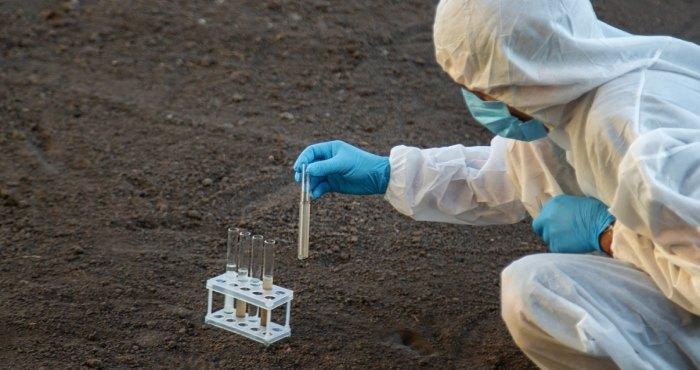
A phase 3 environmental site assessment (often referred to as a Phase III Environmental Site Assessment or phase iii assessment) is the investigation-and-action stage of environmental due diligence. It translates the findings and hypotheses from a phase i environmental site assessment and a phase ii environmental site assessment into definitive delineation, risk evaluation, and a path toward remediation and environmental mitigation. Unlike earlier screening and confirmation steps, this environmental assessment mobilizes field crews, expands sampling density, and provides decision-grade data to address site contamination, vapor intrusion, and groundwater impacts.
How Phase III builds on Phase I and II
- Phase I Environmental Site Assessment (and the underlying site reconnaissance and historical site records review) identifies potential environmental hazards and environmental issues, such as chemical storage tanks, former dry cleaners, or hazardous materials use.
- Phase II Environmental Site Assessment adds subsurface sampling, surface sampling, soil and water analysis, and limited groundwater sampling to confirm or deny hazardous material contamination.
- A phase 3 environmental site assessment advances from confirmation to delineation and corrective action planning, often adding monitoring wells, soil vapor probes, and indoor air quality testing when vapor intrusion is suspected.
Typical triggers and outcomes
Triggers include property acquisition, financing property, development or redevelopment, or a lender/Insurance providers request to reduce environmental liability. Outcomes include an approved mitigation plan, a remediation design with acceptable regulatory guidelines, and documentation sufficient for Regulatory authorities and Lenders.
Focus areas: soil, groundwater, and vapor
Phase III emphasizes contaminated soil delineation, groundwater sampling networks, and vapor intrusion assessments using soil vapor probes and building diagnostics.
 Pin
PinDefine the Phase 3 ESA Scope, Objectives, and Regulatory Drivers
Clarity at kickoff prevents scope creep and ensures your phase iii assessment generates decisions, not just data.
Scope of Work and Decision Boundaries
Define the media (soil, groundwater, soil vapor, and indoor air), the lateral and vertical extents to investigate, and the decision thresholds for removal of contaminants. Specify whether clean soil replacement, groundwater remediation, or source removal will be evaluated. The environmental site assessment scope should explicitly cover areas associated with chemical storage tanks, sumps, sewer laterals, and migration pathways.
Objectives tied to redevelopment and risk
Link objectives to the end use: Is the goal to support development or redevelopment, reduce environmental liability for property acquisition, or obtain a No Further Action letter? Objectives should state how contaminated soil volumes, plume stability, and vapor intrusion risk will be quantified to select remediation methods and craft a mitigation plan.
Regulatory drivers and stakeholders
Identify the Regulatory authorities (e.g., EPA programs and state agencies), municipal permitting offices, and any stakeholder requirements from Property Managers & Developers, Lenders, and Insurance providers. Establish which screening levels and acceptable regulatory guidelines apply (residential vs. commercial/industrial) and the reporting format they expect.
Align with EPA and state programs
Align the sampling density, detection limits, and laboratory analysis methods with EPA guidance and state-specific vapor intrusion protocols to ensure the environmental assessment will be accepted without rework.
Build a Complete Data Package: Phase I/II Findings, CSM, DQOs, and Data Gaps
A robust data package bridges your Phase I/II work with a decision-ready phase 3 environmental site assessment.
Synthesize Phase I/II ESA results
Summarize key recognized environmental conditions from the phase i environmental site assessment (Phase I Environmental Site Assessment) and analytical confirmations from the phase ii environmental site assessment (Phase II Environmental Site Assessment). Map former operations, suspect hazardous materials handling, and infrastructure (e.g., product lines, chemical storage tanks). Reference historical site records that constrain source areas and timeframes.
Conceptual Site Model refinement
Update the conceptual site model to describe sources, pathways, and receptors. For vapor intrusion, delineate volatile zones, building slab features, utilities acting as preferential pathways, and indoor receptors. For groundwater, document gradient, stratigraphy, and potential offsite migration that could trigger environmental liability.
DQOs and lines of evidence
Define data quality objectives (DQOs) for each decision: confirmation of contaminated soil removal limits, groundwater plume extent, or need for environmental mitigation of vapor intrusion. Specify analyte lists, reporting limits, and QA/QC to support soil and water analysis and defend decisions with multiple lines of evidence.
Data gaps, uncertainty, and contingencies
List data gaps by medium: where additional groundwater sampling, soil vapor probes, or surface sampling are needed. Pre-authorize contingency borings, temporary monitoring wells, and additional indoor air quality testing to efficiently address uncertainty during fieldwork in the phase iii assessment.
Vapor intrusion pathway analysis
Include a plan to use soil vapor probes near buildings, coupled with building pressure diagnostics and time-integrated indoor air sampling, to distinguish indoor sources from subsurface contributions.
Select and Contract Your Investigation Team: Prime, Drillers, Labs, Specialty Subs
The right team is critical for a defensible environmental site assessment that moves seamlessly into remediation.
Prime consultant and Environmental Consulting Firm selection
Engage an Environmental Consulting Firm with demonstrated Phase III Environmental Site Assessment experience. Firms such as Omega Environmental bring integrated environmental consulting, Environmental Engineers, and Hazardous Material Remediation planning, which accelerates design-ready outcomes.
Field contractors: drillers and monitoring wells
Retain drillers capable of hollow-stem auger, sonic, and direct-push methods for subsurface sampling and rapid installation of monitoring wells. Ensure they can advance soil vapor probes to targeted depths while maintaining sample integrity.
Laboratories and data management
Contract accredited laboratories for Volatile organic compounds(VOCs), Semi-volatile organic compounds(SVOCs), metals, and PFAS as needed. Define laboratory analysis turnarounds, data packages (Level II/IV), and electronic data deliverables compatible with your consultant’s data systems for prompt validation.
Specialty subcontractors and technology
Add specialists for vapor intrusion diagnostics, geophysics, and waste profiling. Vendors such as ViroForce can support indoor air quality testing or system commissioning during mitigation. Coordinate with General Contractors if intrusive work overlaps construction schedules.
 Pin
PinPrepare for Fieldwork: Access, Permits, Utility Clearance, HASP, Sampling Plan, and Waste
Execution discipline ensures your phase 3 environmental site assessment stays on schedule and produces high-quality data.
Access agreements and site logistics
Secure right-of-entry with owners, tenants, and adjacent properties. For campus or institutional sites like Occidental College, coordinate with facility managers to avoid disruptions. Property Managers & Developers should be briefed on staging, noise, and traffic.
Permits, utility locates, and health & safety
Obtain drilling and dewatering permits; complete 811 utility clearance and private locates. Develop a project-specific HASP addressing hazardous materials, physical hazards, and decontamination. Include contingency measures for unexpected hazardous material contamination.
Sampling and Analysis Plan (SAP) and QAPP
Draft a SAP/QAPP detailing boring locations, sampling intervals, dewatering protocols, and purge criteria for groundwater sampling. Define procedures for soil vapor probes installation, leak checks, and canister handling to ensure defensible vapor intrusion data.
Investigation-derived waste and decon
Plan for waste characterization, profiling, and disposal. Arrange clean soil replacement for backfill, and segregate cuttings and purge water for proper removal of contaminants under applicable regulations.
Subsurface and surface sampling design
Balance spatial coverage and decision density to close data gaps while avoiding redundancy. Use a grid near source areas and transects along plume flow.
Soil vapor probes and indoor air testing
Install permanent or temporary soil vapor probes up- and down-gradient of buildings; pair with indoor air quality testing where warranted, following EPA attenuation guidance for vapor intrusion.
Groundwater sampling and monitoring
Deploy temporary points for reconnaissance and convert to monitoring wells once plume geometry is clear. Standardize low-flow groundwater sampling for comparability across rounds.
Next Steps and Deliverables: Validation, Communication, Reporting, and Remediation Planning
Your final outputs should enable a clear decision pathway for Regulatory authorities and project stakeholders.
Data validation and laboratory review
Perform independent validation of laboratory analysis (holding times, blanks, surrogates) to confirm usability for risk and design. Reconcile field and lab qualifiers to ensure the environmental assessment meets acceptable regulatory guidelines.
Communication with regulators and community
Coordinate with Regulatory authorities (including EPA where applicable) on interim findings, especially if immediate environmental mitigation is required. Prepare factual updates for neighbors and occupants when vapor intrusion screening or mitigation is underway.
Reporting requirements and decision documents
Produce a Phase III Environmental Site Assessment report that integrates Phase I/II findings, DQOs, methods, and results for contaminated soil, groundwater sampling, soil vapor probes, and indoor air datasets. Include an updated conceptual site model, risk screening, and recommendations for removal of contaminants and/or engineering controls.
From findings to action: remediation and mitigation planning
Translate conclusions into a mitigation plan and remediation design. Evaluate remediation methods such as source excavation with clean soil replacement, in-situ groundwater remediation, or sub-slab depressurization for vapor intrusion. Align schedules and budgets with Lenders and Insurance providers, and coordinate constructability with General Contractors. For comprehensive Hazardous Material Remediation, integrate phasing with development or redevelopment milestones so environmental due diligence continues to protect stakeholders throughout the project lifecycle.
Get gorgeous projects via email
