

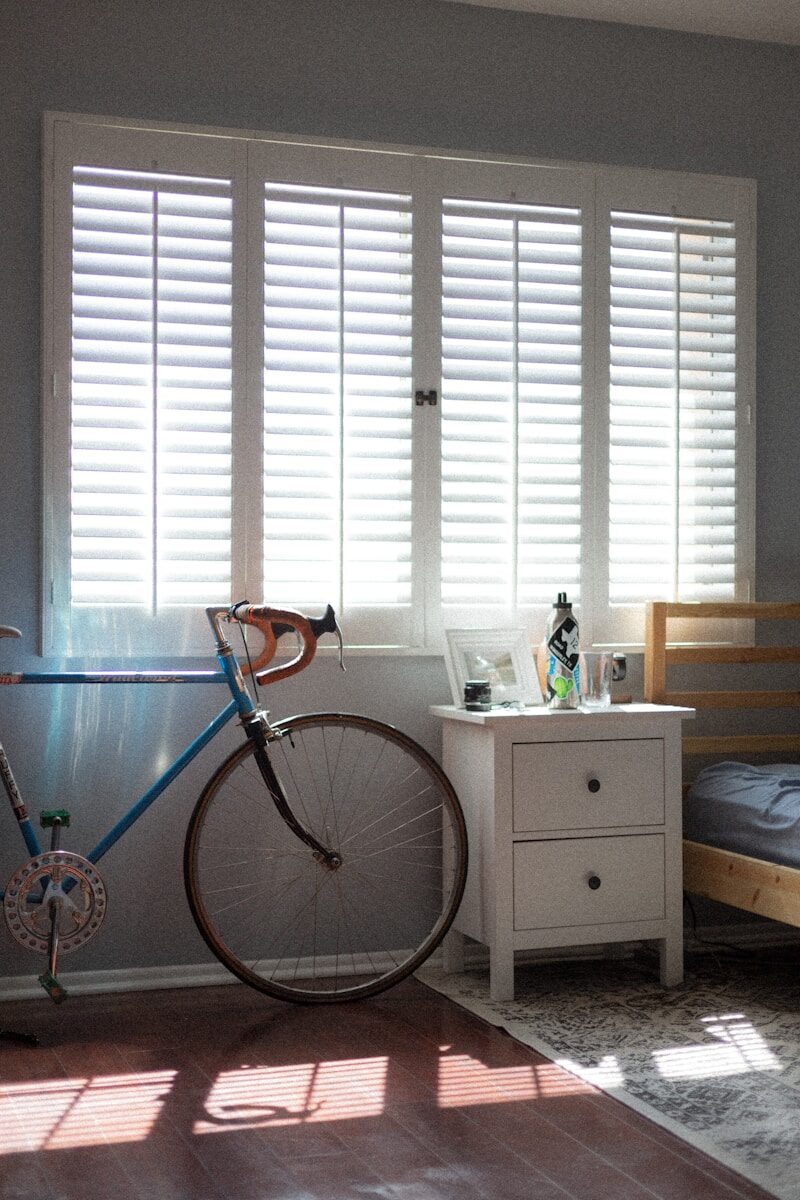
I once walked into a renovated Sydney home where every room had been carefully styled, yet the windows told a different story. Several panels no longer closed evenly, the finish had started peeling near the glass, and the louvres rattled whenever a breeze moved through the room. The window coverings had looked attractive when installed, but their weak materials and poor fit quickly became obvious.
Quality window treatments should feel like part of the architecture, not a temporary accessory. They should open smoothly, control sunlight precisely, suit the surrounding interior, and stand up to years of daily use. For Sydney homeowners, the choice also needs to account for strong sunlight, coastal air, changing temperatures, privacy, and the property’s shape.
Choosing well means looking beyond colour samples and promotional prices. Materials, construction, measurements, hardware, warranties, and installation standards all influence whether the finished product remains reliable or becomes an expensive source of frustration.
Start With the Purpose of the Room
Before comparing materials or styles, identify what each room needs from its window covering. A street-facing bedroom may require privacy and stronger light control, while a living room overlooking a garden may need adjustable daylight without blocking the view.
The purpose of the room guides almost every later decision. It affects louvre size, panel layout, material choice, mounting position, colour, and operating method. Treating every window the same may create visual consistency, but it can also lead to poor performance.
Ask practical questions such as:
- Is the room exposed to direct morning or afternoon sunlight?
- Do nearby homes or footpaths create privacy concerns?
- Will the window covering be opened several times a day?
- Is the room exposed to moisture, steam, or cooking residue?
- Does furniture sit close to the window?
- Is complete darkness needed for sleep or screen viewing?
- Will children or pets regularly use the space?
A clear list of priorities makes it easier to compare products based on their suitability rather than appearance alone.
Understanding Shutter Blinds and Their Main Features
The term shutter blinds is often used to describe rigid window panels fitted with adjustable horizontal louvres. Unlike soft fabric treatments, these panels become a structured part of the window opening and offer direct control over light, airflow, and privacy.
Their performance depends on more than the visible louvres. Frames, hinges, tilt mechanisms, panel width, fixing points, and material density all affect how the system operates. A well-made product should feel stable when moved, remain aligned when closed, and allow the blades to hold their chosen angle.
Key quality features include:
- Smooth louvre movement without stiffness
- Panels that sit square within the frame
- Strong hinges suited to the panel weight
- Neat joins between frames and corners
- Consistent gaps around each panel
- A finish that resists scratching and discolouration
- Secure tilt rods or concealed operating systems
- Frames designed for the specific window shape
Good construction is usually visible in the details. Uneven spacing, rough edges, loose joints, or lightweight hardware may indicate that the product will not withstand repeated use.
Compare Materials Based on the Environment
No single material is right for every window. Timber, engineered wood, polymer, aluminium, and composite products each respond differently to heat, moisture, sunlight, and physical wear.
Natural timber offers warmth and visual character. It can work beautifully in living rooms, bedrooms, and formal spaces, particularly when the grain complements timber flooring or furniture. Yet its quality varies, and poorly sealed timber may react to moisture or strong temperature changes.
Engineered and polymer materials are often chosen for rooms where durability and easy care matter. They may suit kitchens, laundries, bathrooms, or busy family areas. Aluminium can be useful where strength, weather resistance, or outdoor exposure are priorities.
When comparing materials, review:
- Resistance to moisture and humidity
- Stability under strong sunlight
- Weight across wider window spans
- Ease of cleaning
- Resistance to dents and scratches
- Available colours and finishes
- Suitability for indoor or outdoor installation
- Expected maintenance over time
The best option is the one that suits both the environment and the homeowner’s expectations. A premium material used in the wrong setting may perform worse than a practical alternative selected for the conditions.
Check the Strength and Density of the Product
Two products may appear almost identical in a showroom yet differ greatly in strength. Thin panels, hollow sections, weak rails, and low-grade hardware can reduce costs, but they may also cause sagging, movement, or premature wear.
Ask to handle a display panel rather than relying only on photographs. Open it, close it, move the blades, and check whether the frame twists under light pressure. Quality products feel solid without being difficult to operate.
Pay attention to:
- The thickness of the stiles and rails
- The rigidity of the panels
- The quality of the corner joins
- The strength of the hinge screws
- The stability of wider sections
- The consistency of the louvre spacing
For large windows, panel engineering becomes especially relevant. Wider and heavier sections place more pressure on hinges and frames. A suitable design may use extra panels, stronger supports, or a different opening configuration to protect long-term alignment.
Look Closely at Louvre Size
Louvre width changes both the appearance and function of the finished installation. Larger blades create a cleaner, more open look and allow broader outdoor views when tilted. Smaller blades create more horizontal lines and may suit traditional interiors or compact window openings.
The size should relate to the window dimensions and the surrounding architecture. Very large blades on a narrow window may feel oversized, while small blades across a broad opening may look visually busy.
Louvre size also affects:
- The amount of light entering the room
- The clarity of the outside view
- The level of privacy at different angles
- The depth required inside the window recess
- The overall style of the room
- The number of blades visible in each panel
A specialist should be able to show full-size samples against the actual window. Small sample pieces can make it difficult to judge how the proportions will look across a complete installation.
Evaluate the Quality of the Finish
The surface finish protects the underlying material and shapes how the window treatment looks under natural light. A poor coating may appear acceptable indoors but reveal uneven colour, rough patches, or visible marks when sunlight hits it from the side.
Inspect sample panels in bright light. Check the edges, corners, frame joins, and areas around hinges. The colour should be consistent, and the surface should feel smooth without looking artificially thick.
A strong finish should offer:
- Even colour across panels and frames
- Clean coverage around drilled or cut sections
- Resistance to fading from sunlight
- A surface that can be wiped clean
- Minimal visible marks around joints
- Good adhesion along edges and corners
Colour selection also deserves care. Bright whites can create a crisp appearance, while softer whites may blend better with warm wall colours. Matching the frame to existing architraves can make the installation feel integrated rather than added later.
Choosing a Plantation Shutter Sydney Homeowners Can Rely On
When selecting a plantation shutter, homeowners should consider whether the product suits local conditions. Strong ultraviolet exposure can affect low-grade finishes, while coastal air may place added pressure on metal components and external installations.
The home’s location within the city also matters. A coastal property, a high-rise apartment, a suburban family home, and a heritage terrace may each require a different material, mounting method, or panel configuration. Product advice should reflect the actual property rather than follow a standard sales script.
A reliable recommendation should account for:
- Window orientation
- Direct sunlight exposure
- Coastal salt and moisture
- Ventilation requirements
- Building age and wall condition
- Existing window handles and locks
- Privacy from roads or neighbouring properties
- Interior design and architectural style
Local suitability is not a separate feature added at the end. It should shape the product choice from the beginning.
Demand Accurate Measuring
Even high-quality materials can perform poorly when measurements are inaccurate. Frames may sit unevenly, panels may scrape against surfaces, or gaps may allow unwanted light through the edges.
Professional measuring should account for more than window height and width. Installers need to check whether the opening is square, whether the sill is level, and whether handles, locks, tiles, or architraves affect the available space.
A detailed site measure should review:
- Measurements at several points across the opening
- Wall and frame depth
- Variations in floor or sill height
- Existing window operation
- Clearance for handles and locks
- Space for panels to fold or swing
- Suitable fixing locations
- Alignment with nearby windows
Older homes often have walls and windows that are not perfectly level. Custom framing can help conceal these variations while creating a balanced visual result.
Review Panel Layout and Opening Options
Panel configuration affects convenience as much as appearance. Hinged panels may open into the room, while bi-fold or sliding layouts can suit wider doors and openings. Fixed sections may be used where regular access is unnecessary.
The layout should allow easy cleaning, ventilation, and access to windows. It should also account for furniture, taps, benches, door handles, and nearby walls.
Common configurations include:
- Single-hinged panels for narrow openings
- Multiple hinged panels for standard windows
- Bi-fold sections for wide openings
- Sliding panels for doors and broad spans
- Café-style coverage across the lower window
- Full-height panels with divided control
- Custom shapes for arches or angled windows
Ask to see a drawing of the proposed layout before approving the order. This makes it easier to understand where panels will meet, how they will open, and how much space they will occupy.
Compare Tilt Mechanisms and Hardware
The tilt mechanism controls the louvres and is used frequently. Traditional rods remain visible along the panel, while concealed systems create a cleaner appearance. Both can perform well when made with durable components.
Move the blades several times on the display sample. They should rotate evenly and remain in position rather than slowly dropping. Loose movement may indicate weak internal tension or low-grade fittings.
Hardware should be judged by:
- Smooth and even operation
- Secure attachment points
- Resistance to rust or corrosion
- Suitability for the panel weight
- Availability of replacement parts
- Neat placement within the frame
Hinges also deserve attention. Their finish should coordinate with the frame, and their number should match the size and weight of each panel. Undersized fittings may allow sections to drop over time.
How to Compare Shutters Sydney, Suppliers
When reviewing shutter in Sydney, focus on what is included in the full proposal rather than just the advertised price. One quote may include measuring, custom framing, installation, and after-sales support, while another may charge separately for those elements.
Ask each supplier to provide written details about materials, manufacturing, expected timing, installation, warranties, and exclusions. Clear documentation makes comparison easier and reduces the chance of unexpected costs.
Look for signs of a professional supplier:
- Detailed written quotations
- Full-size product samples
- Clear material descriptions
- Transparent warranty conditions
- Experienced measuring and installation staff
- Examples of completed work
- Practical advice about difficult windows
- A clear process for handling defects or adjustments
Be cautious when technical questions receive vague answers. A reliable provider should be able to explain why a specific material, frame, or layout suits the property.
Read the Warranty Carefully
A long warranty may sound reassuring, but its value depends on what it covers. Some warranties protect only selected components, while labour, installation, colour changes, or coastal exposure may be excluded.
Ask whether the warranty covers the full product, including frames, louvres, hinges, tilt systems, and surface finishes. Also, check who handles the claim if the installer, retailer, and manufacturer are different businesses.
Review details such as:
- Warranty length for each component
- Coverage for fading or peeling
- Labour and call-out charges
- Conditions for moisture-prone rooms
- Exclusions for outdoor or coastal use
- Transferability when the property is sold
- Required cleaning and maintenance
- Availability of replacement parts
Keep copies of the quotation, invoice, warranty, product specifications, and care instructions. These records make later support requests much easier.
Watch for Warning Signs Before Ordering
Low pricing does not automatically mean poor quality, but unusually cheap quotes may involve compromises that are not immediately visible. Materials may be thinner, frames may be standardised rather than custom-fitted, or installation support may be limited.
Pressure to sign quickly is another concern. Homeowners should have enough time to review the proposal, inspect samples, and clarify warranty conditions.
Common warning signs include:
- Unclear material descriptions
- No physical samples
- Verbal promises are missing from the contract
- Large upfront payments without clear terms
- No explanation of panel configuration
- Limited information about installation
- Very broad measurement allowances
- No written care instructions
- Warranties with extensive exclusions
A quality purchase should feel transparent. Every major decision should have a practical reason.
Selecting Shutters for Long-Term Value
Well-made shutters can improve privacy, light control, visual balance, and everyday comfort. Their long-term value comes from reliable operation and a design that continues to suit the room as furnishings change.
Price should be viewed alongside expected lifespan, maintenance, repair access, and installation quality. A lower-cost product that needs early replacement may prove more expensive than a carefully selected option that performs consistently for many years.
Before making the final decision, confirm:
- The exact material and finish
- The louvre width
- The frame and panel layout
- The opening direction
- The hardware style
- The installation method
- The warranty coverage
- The total quoted cost
- The expected care requirements
- The process for post-installation adjustments
Take time to review these details in the room where the product will be installed. A thoughtful choice should support the home’s daily routines and visual style.
Frequently Asked Questions
What are shutter blinds?
Shutter blinds are rigid framed panels fitted with adjustable horizontal louvres. The blades can be tilted to control sunlight, airflow, outside views, and privacy. Depending on the design, the panels may also swing, fold, or slide open. They differ from fabric blinds because they form a more permanent architectural feature around the window and usually provide stronger structure, durability, and precise light control.
Which materials are best for shutter blinds?
The best material depends on the room and its conditions. Timber offers natural warmth and suits many dry interior spaces. Polymer or composite materials work well in humid rooms because they are easier to clean and less reactive to moisture. Aluminium is suitable for outdoor or exposed settings. Buyers should compare stability, weight, finish quality, maintenance, and resistance to sunlight before making a choice.
How can I tell whether shutter blinds are good quality?
Quality products usually have solid panels, neat corner joins, smooth louvre movement, strong hinges, and an even surface finish. The panels should remain square when opened and should not twist easily under light pressure. Check whether the blades stay at the selected angle and whether gaps around the frame are consistent. Written material specifications and clear warranty coverage also help confirm product quality.
Are shutter blinds suitable for every room?
They can work in most rooms when the correct material and design are selected. Bedrooms benefit from privacy and adjustable light, while living areas gain flexible daylight control. Moisture-resistant materials may suit bathrooms and laundries, and durable finishes can be useful in kitchens. Window depth, handles, furniture placement, and the required opening method should all be checked before ordering.
How much maintenance do shutter blinds require?
Most shutter blinds need regular dusting and occasional wiping with a soft, lightly damp cloth. Harsh chemicals and abrasive tools may damage the finish, so care instructions should be followed closely. Hinges and operating mechanisms may also need periodic inspection. Addressing stiffness, loose fittings, or moisture exposure early can help prevent larger problems and keep the panels operating smoothly.
Choosing quality window treatments is less about finding the most decorative sample and more about matching construction, materials, measurements, and design to the realities of the home. Examine the product closely, ask detailed questions, and compare complete proposals before committing. A careful decision today can create calmer light, stronger privacy, and more comfortable rooms for years to come.
Get gorgeous projects via email
