

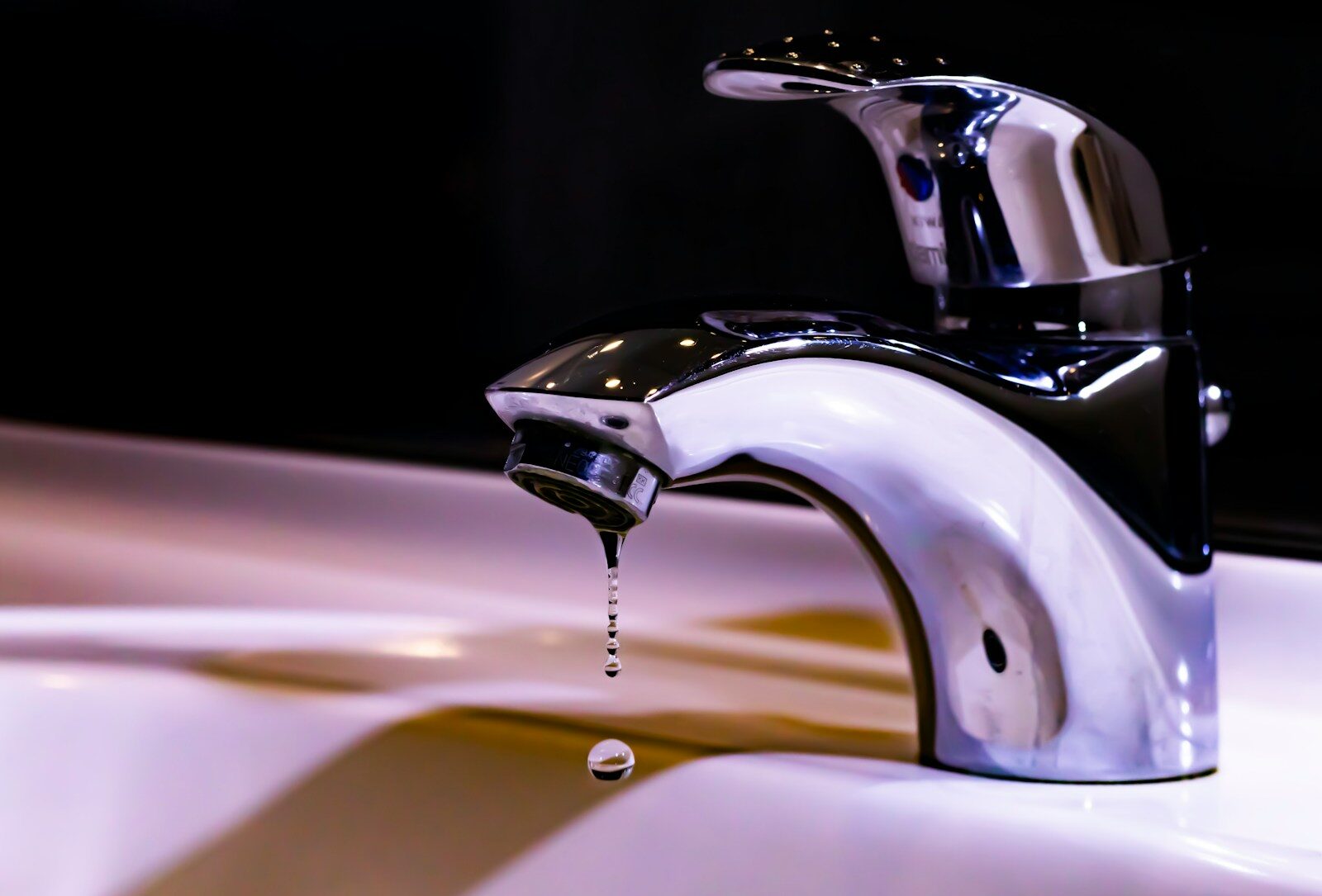
A high water bill in Grand Rapids is frustrating, especially when nothing seems obviously wrong. Most of the time the cause is fixable—a running toilet, a slow leak, or a fixture quietly wasting water around the clock. Grapids Home Services has been helping West Michigan homeowners track down exactly these problems since 1999. Below are the five most common reasons water bills spike across Kent County and what homeowners can do about each one.
 Pin
Why Is Your Water Bill So High?
The most common causes are a running toilet, supply line leaks, dripping faucets, water softener problems, and outdoor irrigation leaks. If the bill jumps and nothing changes at home, one of these five culprits is almost always responsible—especially in older neighborhoods like those in zip codes 49504, 49505, and 49506, where galvanized and cast-iron pipes have been in the ground for 50 years or more. Michigan’s freeze-thaw cycles stress pipe joints every winter, and small cracks can develop quietly between November and April.
 Pin
Cause 1: A Running Toilet
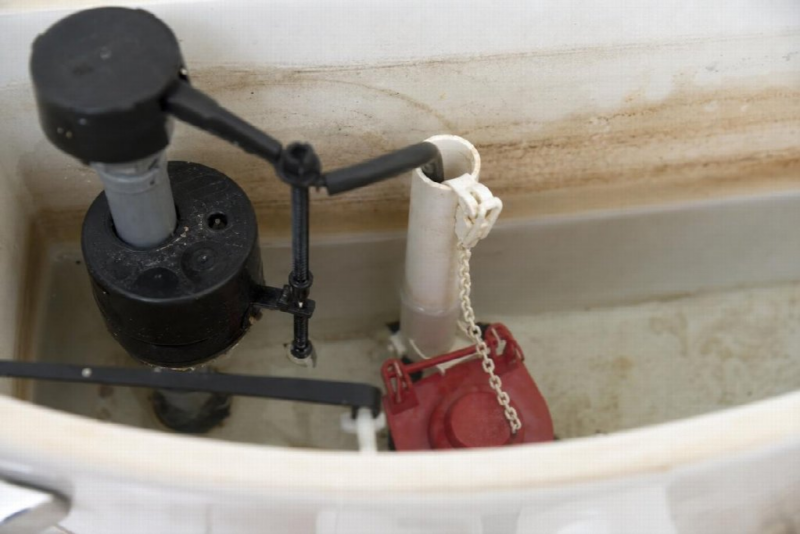
A faulty flapper can waste 200 or more gallons per day, often without obvious noise. Grand Rapids municipal water runs at 15 to 25 grains per gallon—firmly “very hard”—which degrades rubber flapper valves faster than in soft-water regions. Older homes in Heritage Hill and Eastown are especially prone, since many still have pre-1980 toilets with aging fill valves.
PinHow to Test for a Leaking Flapper
- Add several drops of food coloring to the tank.
- Wait 15 minutes without flushing.
- If color appears in the bowl, the flapper is leaking.
A replacement flapper costs $5 to $10. If the toilet keeps running after a new flapper, replace the fill valve ($10 to $20). If it still runs, the flush valve seat may have mineral buildup or a crack—that is the point to call a licensed plumber.
Cause 2: Leaking Supply Lines
Supply lines carry pressurized water to every fixture and can leak continuously even when no tap is open. The most vulnerable spots are braided steel or plastic connectors under sinks and behind toilets, plus the main supply line from the meter into the basement. Look for mineral crusting on fittings, dampness at connector nuts, and rust streaks on copper. Check the rim joist and exposed pipe near exterior walls, which freeze first during a cold West Michigan winter.
Tightening a loose compression nut or swapping a worn connector is a reasonable DIY task. Pinhole leaks in copper, slab leaks, or anything inside a finished wall require a professional. Galvanized lines in homes built before the 1970s typically corrode from the inside out and need replacement rather than patching.
Cause 3: Dripping Faucets and Worn Fixtures
A single faucet dripping once per second wastes thousands of gallons per year. Mineral scale builds up on washers, cartridges, and valve seats, preventing a tight seal. Check kitchen, bathroom, and laundry faucets, plus outdoor hose bibs and the shower valve. A drip that continues after the handle is fully closed points to a worn washer or a failed cartridge.
Replacing a washer or cartridge is an intermediate DIY job once the supply valves are shut off. If the valve seat is pitted from scale or the faucet body is corroded, replacement is usually more cost-effective than continued repair.
Cause 4: Water Softener Malfunction
Because Grand Rapids water is so hard, most local homes run a water softener, and a malfunctioning unit is a frequently overlooked cause of a high bill. A softener stuck in a regeneration loop can send hundreds of gallons straight to the drain every day. Signs include the unit cycling far more often than normal, salt levels dropping unusually fast, water that suddenly feels hard again despite a full brine tank, and the sound of water running to the drain at odd hours.
Homeowners can clean the brine tank, break up salt bridges, and confirm program settings match the local 15 to 25 grains per gallon hardness level. A faulty timer, stuck rotary valve, or worn injector typically needs a technician to diagnose.
Cause 5: Outdoor and Irrigation Leaks
Outdoor leaks are easy to miss because water disappears into the lawn or driveway. Prime suspects are leaking hose bibs, cracked irrigation lines, and sprinkler valves that fail to fully close. Freeze damage is the leading local cause—a hose bib left connected over winter or an irrigation backflow assembly not properly blown out before the first hard freeze will often crack and leak the following spring. Watch for unusually green or soggy patches, water pooling near the foundation, or a meter that keeps spinning when every outdoor fixture is off.
Replacing a worn hose bib washer is straightforward. A buried irrigation line break, a failed backflow preventer, or a frost-damaged outdoor faucet behind siding calls for a professional, since backflow devices are regulated to protect the municipal supply.
When to Call a Plumber in Grand Rapids
If all five causes have been checked and the source remains unclear, hidden leaks inside walls, under slabs, or in buried supply lines require specialized equipment to locate. Clear signs it is time to call a pro:
- Your water bill has spiked with no obvious explanation
- You hear running water but cannot find the source
- You notice soft spots, staining, or mold on walls or floors
- Your water pressure has dropped noticeably
Grapids Home Services’ leak detection services cover pipe pressure testing, meter line checks, and water softener inspection—pinpointing problems that a simple visual check will never catch.
Frequently Asked Questions
How can I check my water meter for a hidden leak?
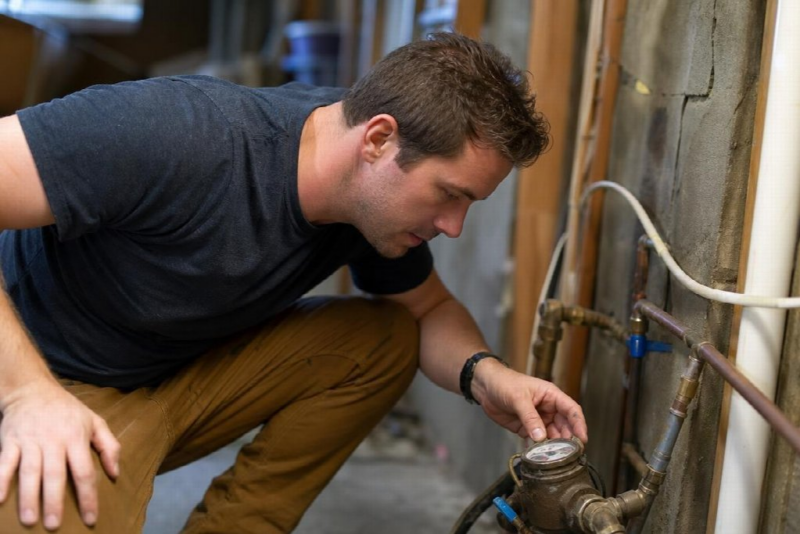
Turn off every fixture and water-using appliance in the home, then locate the meter, usually near the main shutoff in the basement. Note the reading, wait one to two hours without using any water, and check it again. If the number has moved, water is escaping somewhere in the system. Many Grand Rapids meters also have a small triangular or star-shaped leak indicator that spins when even a trickle is passing through the line.
What time of year do water bills usually spike in West Michigan?
Bills tend to climb in early spring and late summer. Spring spikes are usually the result of winter freeze damage showing up as cracked outdoor faucets, split supply lines, and irrigation leaks that were dormant under the snow. Late-summer increases typically come from heavy lawn watering, sprinkler malfunctions, and pool refills across neighborhoods like Cascade, Ada, and Forest Hills.
Can a water softener really cause a high water bill?
A properly working softener uses a modest amount of water during regeneration and should not create a noticeable spike. A malfunctioning unit is a different story. When a softener gets stuck in a regeneration loop or the drain valve fails to close, it can send hundreds of gallons a day straight to the floor drain. If the bill climbs and you hear water running at odd hours in the utility room, the softener is the first place to check.
How long does it take for a fixed leak to show up on my next bill?
Most Grand Rapids residential customers are billed on a two-month cycle, so the impact of a repair usually appears on the following bill after the fix. If the leak was outdoors or hidden inside a wall, expect one or two full billing cycles before usage settles back to normal.
Are older homes in Heritage Hill and Eastown more prone to plumbing leaks?
Yes. Many homes in Heritage Hill, Eastown, Creston, and other pre-war Grand Rapids neighborhoods still have original galvanized steel supply lines, cast-iron drain stacks, or lead-caulked joints. These materials corrode from the inside out and become brittle after decades of exposure to Grand Rapids’ very hard water. Recurring leaks in these homes are often a sign that a partial or whole-home repipe is worth considering.
Does homeowners insurance cover the water on a high bill?
Most policies cover sudden and accidental water damage to the home itself, such as a burst pipe soaking drywall, but they do not reimburse the cost of the wasted water on the municipal bill. Slow, long-term leaks are often excluded entirely. Some West Michigan utilities offer a one-time leak adjustment credit if a homeowner can document the repair, so it is worth contacting the water department after a major fix.
Can I request a water bill adjustment from the City of Grand Rapids after fixing a leak?
The City of Grand Rapids and several surrounding municipalities offer a leak adjustment program for homeowners who repair a documented plumbing leak. You typically need proof of the repair, such as an invoice from a licensed plumber, and the credit is usually a one-time adjustment on a future bill. Contact the local water utility directly to confirm eligibility and required documentation.
About Grapids Home Services
Grapids Home Services is a Grand Rapids-based HVAC, plumbing, and electrical company founded in 1999 by D. Nathan Engelsma. The plumbing team serves homeowners across Kent County and the surrounding West Michigan communities, handling everything from leak detection and pipe repair to water softener service tailored to the region’s very hard water. The company holds a BBB A+ Rating and a 4.8-star average across more than 5,500 reviews. The office is located at 3325 3 Mile Road NW, Grand Rapids, MI 49534; phone: (616) 210-3456.
Business Name: Grapids Home Services
Address: 3325 3 Mile Road Northwest, Grand Rapids, MI 49534
Phone number: (616) 210-3456
Get gorgeous projects via email
