

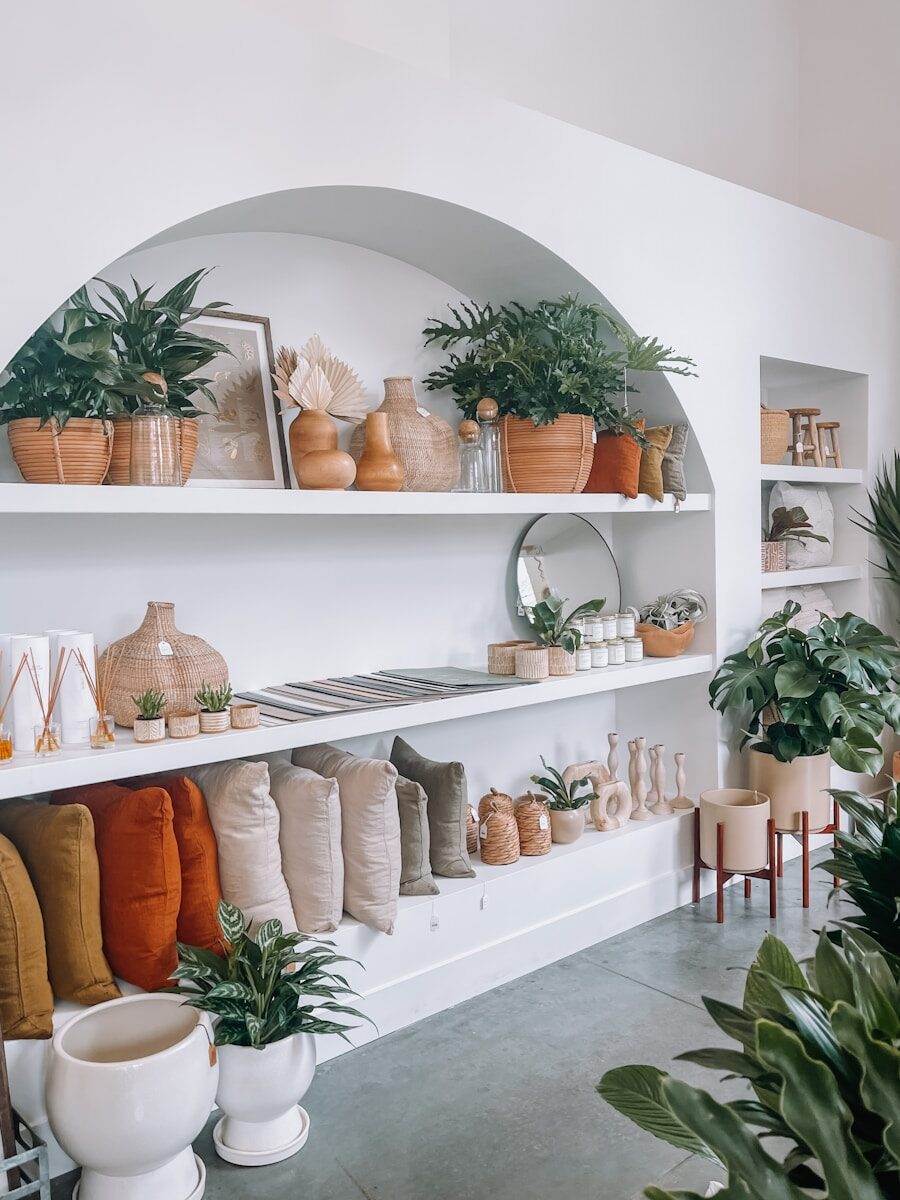
In recent years, the world of interior design has witnessed quite the verdant revolution. And it’s more than just decorative accents. Plants have become essential to transforming any space into a vibrant, welcoming, and beautiful place to be. Their ability to breathe life into rooms, enhance aesthetics, and improve wellbeing has made them a staple in contemporary interior designs. But what exactly makes plants so critical in the realm of interior design? From their visual appeal to their psychological benefits, plants hold a unique position that nothing else can quite match.
The Aesthetic Appeal of Plants: Beyond Simple Decoration
When folk talk about interior design, aesthetics are usually the first to come to mind. Plants add a touch of natural beauty that complements any style, from ultra-modern minimalism to rustic farmhouse chic. The diversity of plants available for indoor use means that there’s far more versatility than some people know what to do with. Long blooming perennials, for instance, offer sustained greenery alongside bursts of color over extended periods, bringing dynamic visual interest without demanding constant replacement. Something like an elegant orchid or a flourishing peace lily that blooms indoors for weeks, their flowers inviting admiration and brightening up the room’s palette.
Plants provide texture that contrasts beautifully with the hard lines of furniture and architectural features. Soft, feathery ferns, spiky succulents, or broad-leafed monstera create layers of visual complexity that make any space feel more curated and thoughtful. Their organic shapes break the monotony of straight edges and smooth surfaces, offering a balance that is both calming to the eyes and stimulating to the senses.
Psychological Benefits: Why Greenery Boosts Mood
Interior designers are increasingly recognizing that designing spaces isn’t only about how things look, but also about how they make us feel. Plants exert a profound psychological impact on our mood and mental health. Studies have shown that being around greenery reduces stress, enhances concentration, and even improves creativity. In workspaces, homes, and public areas, the presence of plants encourages relaxation and fosters a sense of connection to nature, which is especially important in urban environments where access to green spaces may be limited.
The concept of biophilic design, integrating natural elements into built environments, is rooted in this understanding. When you bring plants indoors, you’re not just adding decoration; you’re creating an environment that nurtures wellbeing. Even something as simple as a small potted succulent on a desk can help decrease anxiety and boost productivity by providing a tiny oasis of calm amid daily chaos.
Practical Advantages: Air Quality and Maintenance Ease
Beyond beauty and emotional uplift, plants offer practical advantages that reinforce their role in interior design. One of the most significant benefits is their ability to purify indoor air. Certain houseplants, like spider plants, snake plants, and chrysanthemums, absorb toxins such as formaldehyde, benzene, and carbon monoxide, which are commonly found in indoor environments due to synthetic materials and pollutants. This natural filtration helps maintain cleaner air, which leads to healthier living spaces.
In today’s fast-paced world, the maintenance level of plants is an important consideration for interior designers and homeowners alike. Thankfully, many indoor plants are relatively low-maintenance. Succulents and cacti require minimal watering, while hardy species like pothos or philodendrons thrive in indirect light and can handle a little neglect. This ease of care means that integrating plants doesn’t have to be daunting or time-consuming.
Plants as Functional Design Elements: Versatility at Its Best
One of the unsung virtues of plants in interior design is their remarkable versatility. They can serve both as focal points and subtle accents, depending on the intention behind their placement. Large statement plants like fiddle leaf figs can define a corner or anchor a seating area, creating a natural centerpiece that draws the eye. Conversely, trailing vines on shelves or hanging planters add gentle movement and softness to vertical spaces without overwhelming the room.
Plants also enhance spatial dynamics by visually expanding or dividing areas. For example, a tall cluster of palms can act as a natural room divider, separating living and dining areas without the harshness of walls or screens. This can be especially useful in open-plan designs where maintaining a sense of flow while delineating spaces is challenging.
Plants even contribute to the sensory experience of a room. Beyond their lush appearance, some plants emit delightful fragrances. Think of lavender, jasmine, or eucalyptus. Plants like these enrich the actual air, promoting relaxation and comfort. Incorporating scented plants adds an often-overlooked dimension to interior design, creating a multisensory experience as well as a well-rounded environment.
Bringing It All Together: How to Integrate Plants Thoughtfully
Given all these advantages, incorporating plants into your interior design is more than just placing pots here and there. Thoughtful integration requires considering factors such as lighting conditions, space layout, and the specific needs of the plants chosen. In rooms with little natural light, shade-tolerant varieties like snake plants or ZZ plants thrive, while sun-soaked areas can host flowering types or succulents that relish bright conditions.
It’s also wise to think about containers. The pots and planters you use can either complement or clash with your overall design theme. Sleek, minimalist planters suit contemporary interiors, while handcrafted ceramic or woven baskets match bohemian or rustic aesthetics perfectly. Switching out pots seasonally or using plant stands and shelves can keep the display fresh and exciting.
Mixing plants of different heights, textures, and colors creates a multi-dimensional effect that feels lively and intentional. Grouping several smaller plants together can amplify their impact, while a single large plant can stand alone as a bold statement. Remember, the goal is harmony between nature and design, where plants enhance the space without overcrowding it.
A Natural Essential in Modern Interiors
Plants are far more than mere decorations in interior design, they are pivotal components that bring beauty, wellness, and functionality to any setting. Their aesthetic appeal, psychological benefits, practical qualities, and versatile uses make them indispensable in crafting spaces that are both stylish and inviting. As our lives become increasingly urbanized and screen-driven, plants reconnect us to the natural world, grounding interiors in a sense of calm and life.
Embracing greenery within your home or workspace is a simple yet powerful way to elevate your environment. Whether through long blooming perennials that dazzle with prolonged color or resilient succulents that demand little care, plants invite us to slow down, breathe deeply, and appreciate the quiet joy of living things. So next time you rethink your interior design, consider the transformative magic of plants. They magically turn houses into homes.
Get gorgeous projects via email
