

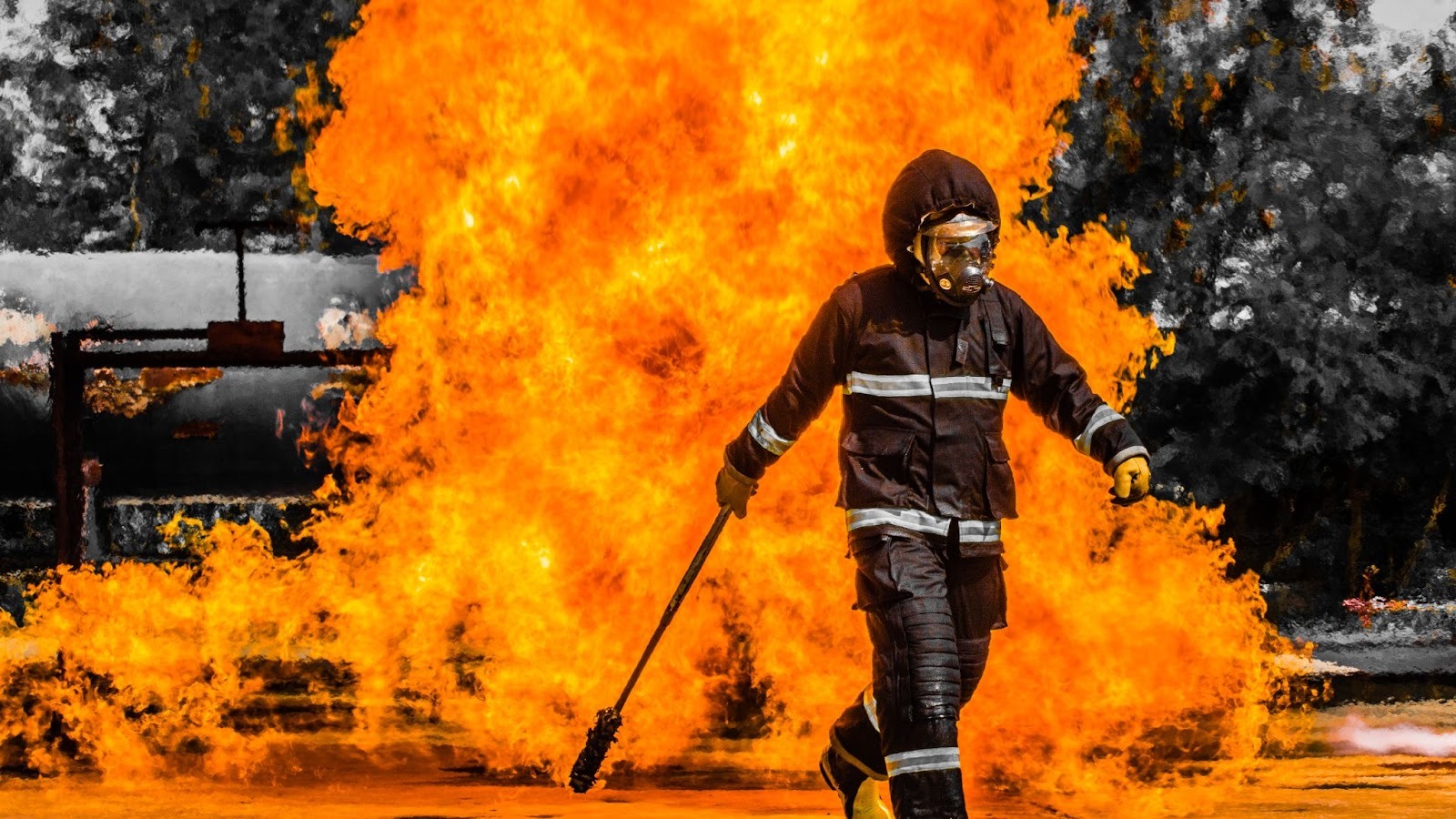
Fire safety has always been a critical responsibility within professional guarding services, especially in high-risk environments like construction sites, industrial facilities, and commercial buildings. In many of these locations, Security Guards For Fire Watch play a vital role in ensuring compliance, monitoring hazards, and responding immediately to potential fire threats. Companies such as Security Guards For Fire Watch services are often deployed when fire alarm systems are down, hot work is underway, or local regulations demand continuous on-site monitoring.
Traditionally, fire watch duties relied almost entirely on human vigilance, guards patrolling sites, visually checking for smoke, heat, or unsafe activity, and manually logging observations. While this hands-on approach remains essential, it also comes with limitations. Even the most experienced guard can miss subtle warning signs after hours of repetitive patrols. Fatigue, environmental distractions, and delayed communication can quietly increase risk. Fire hazards don’t always announce themselves loudly; more often, they start small and unnoticed.
This is where artificial intelligence is changing the game. AI doesn’t replace professional fire watch guards, it strengthens them. By combining human judgment with machine-level awareness, AI enables guarding services to detect risks earlier, respond faster, and prevent incidents before they escalate. Think of AI as a tireless partner that never blinks, never gets distracted, and constantly analyzes the environment for danger.
From intelligent surveillance cameras that recognize smoke patterns to predictive analytics that flag high-risk zones before ignition occurs, AI is reshaping how professional guarding services approach fire safety. Guards are no longer forced to rely solely on routine patrols and instinct; they now have real-time insights, automated alerts, and data-backed decision support at their fingertips.
As fire risks grow more complex and regulations become stricter, the integration of AI into professional guarding services is no longer optional, it’s becoming essential. The result is a smarter, safer, and more proactive fire safety strategy that protects lives, property, and business continuity.
The Evolution of Fire Safety in Professional Guarding
Fire safety within professional guarding services didn’t start with AI. Long before smart sensors and intelligent cameras, fire watch relied on disciplined routines, checklists, and human observation. Guards physically patrolled sites, inspected equipment, watched for smoke or sparks, and logged their findings manually. This approach worked reasonably well for decades, especially in smaller or less complex environments. However, as buildings grew taller, industrial sites expanded, and regulations tightened, the cracks in traditional methods began to show.
One of the biggest challenges of old-school fire watch methods was consistency. Even the most dedicated guard can miss subtle warning signs after hours of repetitive patrols. Fatigue sets in, attention drifts, and small anomalies, such as a slightly overheated machine or faint smoke, can go unnoticed. Fire risks don’t always announce themselves loudly; often, they whisper before they roar. Traditional systems were not always equipped to catch those whispers.
Another limitation was reaction time. By the time a guard noticed a problem, confirmed it, and reported it through the proper channels, precious minutes could be lost. In fire safety, minutes are expensive. They can mean the difference between a controlled incident and a full-blown emergency. Manual reporting also left room for miscommunication, incomplete logs, or delayed responses from emergency services.
As professional guarding services expanded into more complex environments, construction sites, refineries, data centers, and high-rise buildings, the need for smarter solutions became unavoidable. The industry started integrating basic technology like CCTV cameras and alarm systems, but these tools were still reactive. They recorded incidents rather than preventing them.
AI represents the next major leap in this evolution. Instead of simply watching and recording, systems now analyze, predict, and alert. Fire safety has shifted from being purely observational to being intelligently proactive. Guards are no longer alone in their vigilance; they’re backed by technology that enhances their capabilities at every step.
Understanding Artificial Intelligence in Fire Safety
Artificial Intelligence can sound intimidating, but in the context of fire safety, it’s surprisingly practical. At its core, AI is about teaching machines to recognize patterns, learn from data, and make decisions, or recommendations, based on that learning. In professional guarding services, AI doesn’t replace judgment; it sharpens it.
AI systems in fire safety typically rely on a combination of machine learning, computer vision, and sensor fusion. Machine learning allows systems to learn from historical fire incidents, environmental data, and behavioral patterns. Over time, the system becomes better at distinguishing between harmless anomalies and genuine threats. Computer vision enables cameras to “see” more than just images; they interpret smoke movement, flame color, and heat distortion. Sensor fusion combines data from smoke detectors, heat sensors, gas monitors, and even weather data to form a complete risk picture.
What makes AI especially valuable is its ability to operate continuously. Unlike humans, AI doesn’t get tired or distracted. It monitors environments 24/7, constantly comparing real-time data against learned patterns. If something deviates from the norm, the system flags it immediately. This continuous vigilance dramatically reduces the chance of early warning signs slipping through the cracks.
For professional guarding services, AI becomes a trusted assistant. Guards receive actionable insights instead of raw data. Rather than staring at multiple screens or manually checking logs, they’re alerted to exactly where attention is needed. This clarity not only improves response times but also reduces stress and cognitive overload for personnel.
In simple terms, AI in fire safety is like having an experienced supervisor watching everything at once, quietly analyzing, and speaking up only when something truly matters. That’s a game-changer for guarding services tasked with protecting lives and property.
AI-Powered Surveillance Systems
Traditional surveillance cameras have long been a staple in professional guarding services, but AI-powered surveillance takes things to a whole new level. Instead of passively recording footage, smart cameras actively analyze what they see in real time. This shift transforms surveillance from a reactive tool into a proactive fire prevention system.
AI-enabled cameras use computer vision algorithms to detect visual cues associated with fire risks. These cues include smoke patterns, flickering flames, unusual heat signatures, or even sparks in industrial environments. Unlike conventional smoke detectors that rely on particles reaching a sensor, AI cameras can identify smoke visually from a distance, often before it spreads enough to trigger alarms. That early detection can buy invaluable time.
Thermal imaging is another powerful component. AI-enhanced thermal cameras can spot abnormal heat buildup in electrical panels, machinery, or structural elements. Overheating equipment often precedes fires, and catching these hotspots early allows guards to intervene before ignition occurs. The AI doesn’t just see heat; it understands what levels are normal and what levels are dangerous in that specific environment.
Behavioral analysis also plays a role. AI systems can recognize unsafe human behaviors, such as smoking in restricted areas, improper handling of flammable materials, or unauthorized access to high-risk zones. When such behavior is detected, alerts are sent instantly to on-site guards, allowing for immediate corrective action.
For professional guarding services, AI-powered surveillance acts like an extra set of highly trained eyes that never miss a detail. Guards can focus on response and prevention rather than constant monitoring. The result is a safer environment, faster interventions, and a significant reduction in fire-related incidents.
Predictive Analytics for Fire Risk Assessment
One of the most impressive ways AI enhances fire safety is through predictive analytics. Instead of waiting for something to go wrong, AI looks ahead, identifying risks before they turn into real threats. This proactive approach is a massive advantage for professional guarding services.
Predictive analytics works by analyzing historical data, past fire incidents, equipment failures, maintenance records, environmental conditions, and human behavior patterns. The AI then identifies correlations and trends that humans might overlook. For example, it might discover that certain equipment tends to overheat under specific weather conditions or that fire incidents spike during particular shifts or activities.
Using this information, AI systems generate risk scores for different areas of a site. Guards can see which zones are more likely to experience fire hazards and adjust patrols accordingly. High-risk areas receive more attention, while low-risk zones require less frequent checks. This targeted approach maximizes efficiency without compromising safety.
Predictive analytics also supports preventive maintenance. By identifying early warning signs of equipment failure, such as abnormal temperature fluctuations or irregular power usage, AI allows teams to fix issues before they become dangerous. This not only prevents fires but also extends the lifespan of equipment.
For professional guarding services, predictive analytics turns fire safety into a strategic operation rather than a reactive one. It empowers guards and managers with foresight, enabling smarter decisions and stronger prevention strategies that save lives, property, and resources.
Real-Time Fire Detection and Alerts
Speed is everything when it comes to fire safety, and AI excels at delivering real-time detection and alerts. Traditional fire detection systems often rely on single triggers, such as smoke density or heat thresholds. While effective, these systems can sometimes be slow or prone to false alarms. AI changes that by evaluating multiple data points simultaneously.
AI-driven fire detection systems analyze visual data, sensor readings, and environmental factors in real time. When smoke appears, the system evaluates its shape, movement, and density. When heat rises, it considers whether the increase aligns with normal operations or signals danger. This multi-layered analysis reduces false alarms while ensuring genuine threats are identified immediately.
Once a fire risk is confirmed, AI systems send instant alerts to on-site guards, control rooms, and even emergency services if necessary. Alerts are precise, specifying the exact location, nature of the threat, and recommended actions. This clarity eliminates confusion and speeds up response times dramatically.
For professional guarding services, real-time AI alerts act like a direct line between detection and action. Guards don’t waste time verifying vague alarms; they receive clear, data-backed notifications that allow them to respond with confidence. The result is quicker containment, safer evacuations, and significantly reduced damage.
Integration of AI With Professional Guarding Services
AI reaches its full potential when seamlessly integrated into professional guarding services. Rather than operating as a standalone system, AI works alongside guards, enhancing their skills and decision-making capabilities. This collaboration between human intuition and machine intelligence creates a powerful safety net.
In day-to-day operations, AI dashboards provide guards with real-time insights. Risk levels, active alerts, patrol recommendations, and system statuses are all accessible in one place. Guards don’t need to juggle multiple tools or interpret raw data; AI translates information into actionable guidance.
Communication also improves through integration. AI systems can automatically log incidents, generate reports, and share updates across teams. This reduces administrative workload and ensures accurate documentation, an essential factor for compliance and audits.
Importantly, AI respects the human element. Guards remain in control, making final decisions and taking physical action. AI simply ensures those decisions are informed, timely, and precise. In professional guarding services, this partnership enhances trust, accountability, and overall effectiveness.
AI-Enhanced Patrol Optimization
Patrolling is a core responsibility of fire watch guards, but not all patrols are created equal. Traditional patrol routes are often fixed, predictable, and based on general assumptions about risk. AI introduces intelligence into this process, making patrols dynamic and risk-driven.
AI systems analyze real-time data, historical incidents, and environmental conditions to recommend optimal patrol routes. High-risk areas are prioritized, while low-risk zones are monitored efficiently. If conditions change, such as rising temperatures or equipment anomalies, patrol routes are adjusted automatically.
This optimization reduces blind spots and ensures that guards spend their time where it matters most. It also prevents burnout by eliminating unnecessary or redundant patrols. Guards work smarter, not harder.
For professional guarding services, AI-enhanced patrol optimization improves coverage, efficiency, and morale. It ensures that every step a guard takes contributes meaningfully to fire prevention and safety.
The Role of AI in Emergency Response Coordination
When a fire emergency occurs, chaos can spread faster than flames. AI helps bring order to that chaos by coordinating response efforts efficiently. From the moment an incident is detected, AI systems guide the response process.
AI can automatically notify emergency services, provide real-time updates, and assist with evacuation planning. By analyzing building layouts and occupancy data, AI suggests the safest evacuation routes and identifies areas where people may be trapped.
For professional guarding services, this coordination is invaluable. Guards receive clear instructions, situational awareness, and support that allows them to act decisively. AI doesn’t replace training; it reinforces it when every second counts.
AI and Compliance With Fire Safety Regulations
Compliance is a major responsibility for professional guarding services. Fire safety regulations require detailed documentation, regular inspections, and timely reporting. AI simplifies this process through automation and accuracy.
AI systems automatically log patrols, incidents, and alerts. Reports are generated in real time, complete with timestamps, locations, and actions taken. This creates a transparent, tamper-proof record that supports audits and inspections.
By ensuring consistent compliance, AI reduces legal risks and enhances credibility. Professional guarding services can demonstrate due diligence with confidence, knowing their fire safety measures meet or exceed regulatory standards.
Reducing Human Error Through AI Assistance
Human error is an unavoidable reality, especially in high-pressure environments. AI helps minimize these errors by providing decision support and continuous monitoring. Guards receive prompts, reminders, and alerts that guide their actions.
AI doesn’t criticize or replace humans; it supports them. By handling data analysis and pattern recognition, AI frees guards to focus on judgment, communication, and physical response. This balance significantly reduces mistakes and improves outcomes.
Training Professional Fire Watch Guards With AI Tools
Training is where AI’s long-term impact truly shines. AI-powered simulations allow guards to experience realistic fire scenarios in a controlled environment. These simulations adapt to the trainee’s actions, providing personalized feedback and continuous improvement.
Ongoing training ensures guards stay sharp, confident, and prepared. AI also identifies skill gaps and recommends targeted training modules. For professional guarding services, this results in a highly skilled workforce ready to handle any fire safety challenge.
Cost Efficiency and ROI of AI-Driven Fire Safety
While AI requires an initial investment, the long-term financial benefits are substantial. Early detection prevents costly damage, predictive maintenance reduces repairs, and compliance automation lowers administrative expenses.
Insurance premiums may decrease due to improved risk management, and liability exposure is reduced. For professional guarding services, AI isn’t just a safety upgrade, it’s a smart business decision.
Challenges and Ethical Considerations
Despite its benefits, AI comes with challenges. Privacy concerns, data security, and over-reliance on technology must be addressed carefully. Transparent policies and ethical use ensure trust and accountability.
Professional guarding services must strike a balance, using AI as a tool, not a crutch. With proper governance, these challenges are manageable.
The Future of AI in Fire Watch and Guarding Services
The future of fire safety is intelligent, connected, and proactive. As AI continues to evolve, systems will become even more accurate, adaptive, and accessible. Integration with IoT devices, drones, and smart infrastructure will further enhance capabilities.
Professional guarding services that embrace AI today are setting the standard for tomorrow. Fire safety will no longer be about reacting to disasters but preventing them altogether.
Conclusion
Artificial Intelligence is transforming fire safety within professional guarding services in profound ways. By enhancing detection, prediction, response, and training, AI empowers guards to perform at their best. The partnership between human expertise and machine intelligence creates safer environments, faster responses, and stronger prevention strategies. As technology continues to advance, AI will remain a cornerstone of modern fire safety, protecting lives, property, and peace of mind.
Get gorgeous projects via email
