

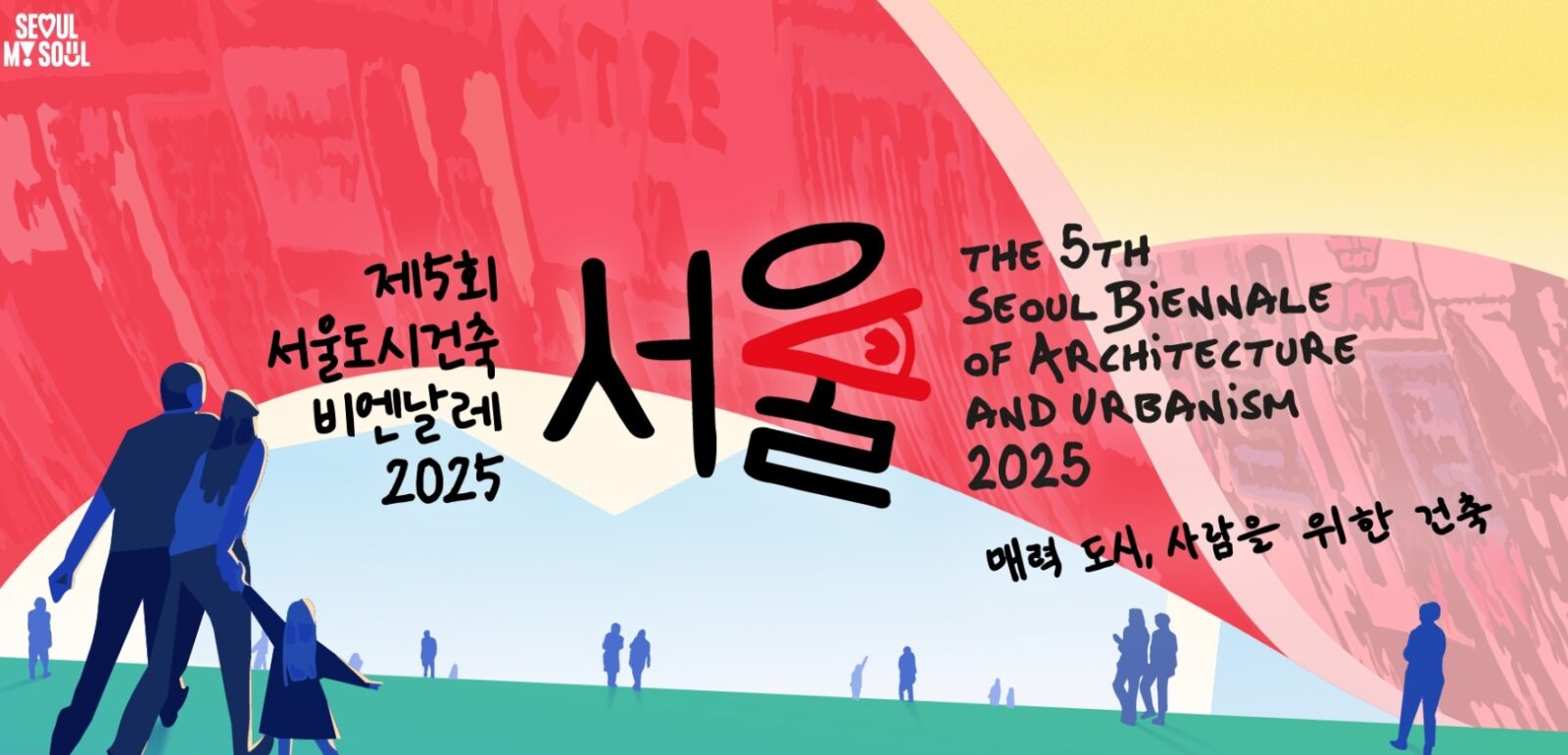
In an era where cities are often shaped by economic pressures and technological efficiency, a bold question emerges: What if architecture existed primarily to serve human emotion and connection rather than mere function? This is precisely the challenge that the 5th Seoul Biennale of Architecture and Urbanism 2025 is posing to the global design community. Running from September 26 to November 18, 2025, under the visionary direction of renowned architect Thomas Heatherwick, this pivotal event promises to reshape how we think about cities, buildings, and the spaces we inhabit.
Event Summary
- Event Name: The 5th Seoul Biennale of Architecture and Urbanism 2025
- Theme: Radically More Human
- Dates: September 26 – November 18, 2025
- Primary Venues: Songhyeon Green Plaza, Seoul Hall of Urbanism & Architecture, and surrounding areas
- Official Website: Seoul Biennale Official Website
- Social Media: @seoulbiennale on Instagram
- Contact Information: [email protected]
Understanding the Seoul Biennale: A Brief Context
Before diving into the specifics of this year’s edition, it’s worth understanding what makes architecture biennales such important cultural institutions. The concept traces back to La Biennale di Venezia, established in 1895, with the first dedicated architecture biennale emerging within the Venice Biennale in 1968. Today, major architecture biennales operate in cities including Chicago, Rotterdam, and Hong Kong–Shenzhen, each serving as a vital forum for international architectural discourse and innovation.
Seoul joined this prestigious global conversation in 2017 with its inaugural biennale. Since then, the event has evolved into a critical platform for addressing contemporary urban challenges while positioning Seoul as a testbed for human-centered design solutions. The biennale’s mission is clear: to re-establish Seoul as a city that prioritizes human experience, sustainability, and emotional connection—qualities that often get lost in the rush of rapid urban development.
Radically More Human: Unpacking the 2025 Theme
The 2025 theme, “Radically More Human,” is more than a catchy tagline. It represents a fundamental philosophical shift in how we approach urban design and architecture. In my years covering architectural trends, I’ve observed a growing disconnect between how cities are built and how people actually want to live in them. Skyscrapers designed purely for maximum occupancy, public spaces engineered for traffic flow rather than lingering, and facades optimized for visual impact rather than emotional resonance—these are the symptoms of architecture that has lost sight of its primary purpose: serving humanity.
Thomas Heatherwick, the biennale’s General Director and founder of the acclaimed Heatherwick Studio, brings a unique perspective to this challenge. His portfolio—which includes the UK Pavilion at Shanghai Expo, the innovative public space Little Island in New York, the architectural marvel Vessel, and the culturally significant Azabudai Hills in Tokyo—demonstrates a consistent commitment to what Heatherwick calls “emotional functionality.” This approach seamlessly blends cutting-edge technology, artistic vision, and genuine public utility, creating spaces that don’t just exist but resonate with visitors on a profound emotional level.
The Exhibition Framework: Four Distinct Perspectives
The Seoul Biennale 2025 is structured around four interconnected exhibitions, each offering a unique lens through which to examine the theme of radical humanity in architecture:
1. Humanise: The Thematic Heart
The flagship “Humanise” exhibition at Songhyeon Green Plaza comprises three major components:
- The Humanise Wall: A monumental 90-meter by 16-meter installation that weaves together ideas from both professional designers and everyday citizens. This isn’t architecture imposed from above; it’s a collaborative tapestry that literally incorporates the voices and visions of Seoul’s residents. Project Director Suk Kyu Hong has orchestrated this ambitious vision, with structural engineers Wanghee Lee and Sudal Park ensuring both safety and aesthetic integrity.
- Walls of Public Life: Comprising 24 experimental facade installations across outdoor spaces, this component—curated by Homin Kim—explores the concept of “visual complexity” and its relationship to emotional resonance. Rather than treating building facades as mere aesthetic objects, these installations investigate how architectural surfaces can foster genuine emotional connections and enhance public well-being.
- Creative Communities Project: Led by Jiyoon Lee, this initiative brings together over 1,000 Seoul citizens in nine community-led works. This is participatory architecture at its finest—citizens don’t just observe; they co-create visions of more humanized urban environments.
2. City’s Face: Global Perspectives on Human Buildings
Curated by Keehyun Ahn, the “City’s Face: Human Beings Need Human Buildings” exhibition showcases 25 significant projects from 21 cities across 15 countries. This international scope is crucial. It demonstrates that the desire for more human-centered architecture isn’t uniquely Korean or Asian—it’s a global imperative. The exhibition, housed in the B3 VIUM Hall and B2 Corridor of the Seoul Hall of Urbanism & Architecture, presents a compelling argument: when architects prioritize human experience, transformative public spaces emerge across diverse cultural contexts.
3. From a Bird’s Eye to the Human Eye: Seoul’s Own Story
Co-curated by Hyun Seok Kang and GunHo Kim, this Seoul-specific exhibition features 18 projects that illustrate the city’s evolution toward more human-centered design. The title itself is instructive—we’re shifting perspective from the abstract, detached viewpoint of urban planners to the lived experience of actual inhabitants. This exhibition invites visitors to see Seoul not as a collection of statistics and zoning regulations, but as a lived environment where emotional and practical needs intersect.
4. Emotionally Yours, Seoul: AI Meets Citizen Collaboration
Perhaps the most innovative component, the “Emotionally Yours, Seoul” exhibition, curated by Ja Young Kim, represents a fascinating fusion of artificial intelligence and human creativity. This interactive installation allows visitors to collaborate with AI systems to create dynamic collages that combine architecture, sound, and emotion. Rather than positioning technology as a replacement for human judgment, this exhibition demonstrates how AI can amplify and extend human creative capacity, generating a citizen-driven archive of emotional responses to the built environment.
The Opening Forum: Establishing the Intellectual Foundation
The biennale kicks off with an Opening Ceremony on September 26, 2025, at Songhyeon Green Plaza, followed by the Opening Forum: “Emotional City” on September 27-28 at the Multi-purpose Hall on the 8th Floor of Seoul City Hall. This forum comprises four substantive sessions that frame the intellectual terrain:
- Cities for Citizens: Building for the Passers-By – Challenging the notion that buildings are primarily for their inhabitants, this session explores how architecture can create meaningful experiences for the transient populations that move through our cities daily.
- Visual Complexity and Public Health – This session bridges architecture and public health, examining the growing body of research suggesting that certain visual and spatial qualities directly impact psychological well-being and mental health outcomes.
- Creating Buildings that are Loved and Last – Addressing the phenomenon of underutilized or demolished buildings, this session explores what qualities make certain structures beloved by their communities and how we can design for longevity and emotional attachment.
- How Communities in Seoul Feel about Their Buildings – A grounded, participatory session that centers Seoul residents’ actual experiences and emotional responses to their urban environment.
Why This Biennale Matters Now
We’re at a critical juncture in global urban development. Cities worldwide are grappling with challenges that purely technical solutions cannot address: social isolation despite density, mental health crises, environmental degradation, and a pervasive sense of disconnection from the built environment. The Seoul Biennale 2025 arrives at precisely the right moment, offering both diagnosis and potential remedies.
What makes this biennale particularly significant is its refusal to separate aesthetics from functionality, emotion from practicality, or individual experience from collective well-being. Instead, it proposes that truly excellent architecture does all of these things simultaneously. A building can be structurally sound, economically viable, and emotionally resonant. A city can be efficient and beautiful. Public spaces can serve practical transportation needs while also fostering genuine human connection.
The Practical Details: How to Engage
For those interested in participating in this landmark event, the logistics are straightforward:
- Venue Locations: The primary exhibitions occupy Songhyeon Green Plaza and the Seoul Hall of Urbanism & Architecture, with additional programming in surrounding areas. This distributed approach allows the biennale to activate multiple urban nodes rather than concentrating everything in a single location.
- Duration: The full program runs for nearly two months, providing ample opportunity for engagement whether you’re a local resident, international architect, or casual cultural enthusiast.
- Information and Contact: For the latest updates, detailed schedules, and registration information, visit the official Seoul Biennale website, follow updates on Instagram, or contact the organizers directly at [email protected].
The Curatorial Vision: A Diverse Team Approach
One aspect of the 2025 biennale that deserves particular attention is its curatorial structure. Rather than concentrating authority in a single curator, the event distributes curatorial responsibility across specialists, each bringing distinct expertise:
- Keehyun Ahn brings international perspective to the Cities Exhibition
- Hyun Seok Kang and GunHo Kim provide local expertise through the Seoul Exhibition
- Ja Young Kim pioneers new methodologies through the Global Studios
This distributed approach mirrors the biennale’s core philosophy: that human-centered design emerges not from top-down authority but from collaborative, multi-perspective engagement. The curatorial team itself embodies the principle of “Radically More Human” by valuing diverse viewpoints and shared responsibility.
Looking Forward: Architecture’s Emotional Future
The Seoul Biennale 2025 arrives at a moment when architecture is increasingly recognized as a social determinant of health and well-being. Recent research in environmental psychology, neuroscience, and public health confirms what many architects have long intuited: the spaces we inhabit profoundly shape our emotional states, social behaviors, and overall quality of life.
Thomas Heatherwick’s leadership ensures that this biennale won’t simply celebrate beautiful buildings in isolation. Instead, it will examine how architecture functions within complex urban ecosystems, how it serves diverse populations, and how it can be designed to foster genuine human flourishing. This is architecture with stakes—not merely aesthetic or technical, but deeply human and social.
Conclusion: An Invitation to Reimagine Our Cities
The 5th Seoul Biennale of Architecture and Urbanism 2025 extends an invitation to architects, urban planners, policymakers, and citizens alike: What if we designed our cities radically differently, prioritizing human emotion, connection, and well-being above all else? This isn’t naive idealism. Rather, it’s a sophisticated recognition that the most successful cities—those that are economically vibrant, socially cohesive, and environmentally sustainable—are precisely those that have learned to design for genuine human needs.
From the monumental Humanise Wall to the intimate conversations happening in community-led projects, from international case studies to Seoul-specific innovations, the 2025 biennale constructs a comprehensive argument for architectural humanism. It demonstrates that radical humanity isn’t a luxury or an afterthought—it’s the foundation upon which truly excellent cities are built.
Whether you’re a seasoned architectural professional or someone who simply cares about the spaces where you live and work, the Seoul Biennale 2025 offers both inspiration and practical insights. It’s a rare opportunity to engage with some of the world’s most innovative thinking about cities and architecture at a pivotal moment in urban development. Mark your calendars for September 26 through November 18, 2025, and prepare to see your city—and cities worldwide—through a radically more human lens.
Frequently Asked Questions
What is the Seoul Biennale of Architecture and Urbanism?
The Seoul Biennale of Architecture and Urbanism is an international biennial event held in Seoul that brings together architects, urban planners, designers, and citizens to explore contemporary urban challenges and innovative architectural solutions. First established in 2017, it has become a significant platform for global architectural discourse, comparable to similar biennales in Venice, Chicago, and Rotterdam. The event combines exhibitions, forums, and participatory programs to examine how architecture can better serve human needs and create more livable cities.
Who is Thomas Heatherwick, and why is his involvement significant?
Thomas Heatherwick is an internationally acclaimed architect and designer whose studio, Heatherwick Studio, has created some of the world’s most innovative public spaces and buildings. His notable works include the UK Pavilion at Shanghai Expo, Little Island in New York, Vessel, and Azabudai Hills in Tokyo. Heatherwick is known for his philosophy of “emotional functionality”—creating structures that seamlessly blend artistic vision, technological innovation, and genuine public utility. His leadership of the 2025 biennale ensures that the event will prioritize authentic human experience and emotional resonance in architecture.
Get gorgeous projects via email
