

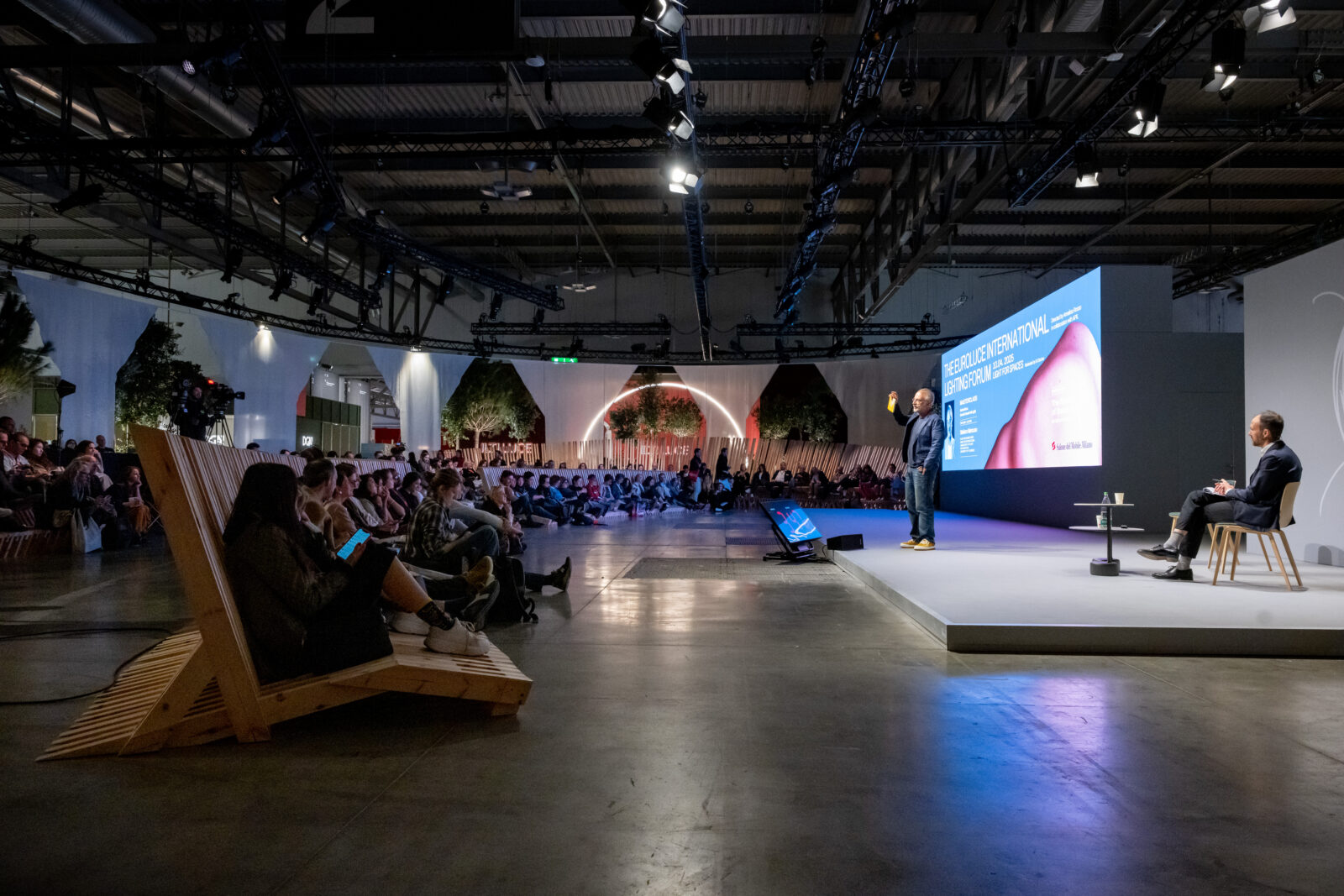
There’s a particular energy that fills the halls of Fiera Milano every April—a palpable sense of anticipation mixed with purposeful determination. I can confidently say that Salone del Mobile remains the heartbeat of international furniture and design culture. And the 2026 edition promises to be nothing short of extraordinary.
As I prepare for the 64th edition (April 21-26, 2026), I’m reminded not just of what this event represents today, but of the remarkable journey that brought it here—from its founding in 1961 as a modest platform for Italian furniture exports to its current status as a global benchmark that attracts over 370,000 design professionals annually from 188 countries.
Let me take you through what makes Salone del Mobile 2026 an unmissable event for anyone passionate about design, innovation, and the future of our living spaces.
The Historical Context: From Italian Ambition to Global Authority
When Salone del Mobile was founded in 1961, the world was a different place. Post-war Italy was rebuilding, and the furniture industry emerged as a symbol of the nation’s ingenuity and craftsmanship. The original mission was straightforward: promote Italian furniture exports to international markets. Yet what began as a regional initiative transformed into something far more significant—a cultural institution and economic engine that has shaped global design discourse for six decades.
I’ve observed this evolution firsthand. Each year, the fair becomes less about promoting a single nation’s products and more about establishing a universal dialogue on how design shapes our lives, communities, and futures. This philosophical shift reflects the maturity of both the industry and the event itself.
Today, organized by Federlegno Arredo Eventi S.p.A., Salone del Mobile commands an annual exhibition space of approximately 210,000 square meters at Fiera Milano Rho, hosting over 2,300 exhibiting companies and welcoming professionals from every corner of the globe.
2026 Edition: What to Expect
Dates and Venue
Mark your calendars: April 21-26, 2026 at Fiera Milano Rho, Milan, Italy. The timing is strategic—spring in Milan is ideal for both contemplation and inspiration, and the six-day format provides sufficient immersion without overwhelming attendees.
Fiera Milano Rho has become synonymous with design excellence. The sprawling complex offers optimal conditions for what the industry demands: walkable distances between pavilions, excellent lighting, and spaces that allow design to breathe and speak for itself.
Scale and Reach
The numbers tell an impressive story. The fair consistently attracts:
- 370,000+ professional visitors annually (70% international, representing 188 countries)
- 2,300+ exhibiting companies across all design categories
- 5,000+ accredited journalists from national and international media outlets
- ~27,500 public weekend visitors for design enthusiasts and consumers
These aren’t abstract numbers—they represent the real economic and cultural significance of the event. When I speak with designers, manufacturers, and retailers, their business calendar quite literally revolves around Salone del Mobile.
Who Should Attend? Understanding the Trade Visitor Structure
Salone del Mobile maintains a carefully curated admission policy focused on qualified trade professionals. This distinction is important and, frankly, one of the reasons the fair maintains such high quality standards. The reserved access ensures that discussions are substantive, business outcomes are meaningful, and the experience remains valuable for all participants.
The fair welcomes professionals across these categories:
- Architects & Designers – seeking inspiration, trends, and product solutions
- Distributors & Retailers – identifying new product lines and market opportunities
- Exporters & Importers – establishing supply chains and commercial partnerships
- Facility Managers – sourcing workplace and contract furnishings
- General Contractors – discovering integrated design solutions for projects
- Interior Decorators – exploring new collections and inspirational trends
- Lighting Designers – particularly during Euroluce years
If your professional role aligns with any of these categories, registration is your gateway to one of the most valuable industry experiences available. I’ve watched countless professionals discover game-changing partnerships, innovative products, and strategic insights that fundamentally altered the trajectory of their businesses.
For registration and admissions information, visit the official admissions page or contact [email protected].
The Associated Exhibitions: A Comprehensive Design Ecosystem
What distinguishes Salone del Mobile from a conventional trade fair is its integrated ecosystem of specialized exhibitions. Rather than existing as isolated events, these complementary fairs create a comprehensive platform covering virtually every dimension of contemporary design.
Biennial Exhibitions
Euroluce (Lighting) – In odd-numbered years, Euroluce takes center stage as the world’s premier international lighting exhibition. The interplay between furniture and illumination design creates remarkable synergies that drive innovation across both industries.
EuroCucina & International Bathroom Exhibition – In even-numbered years, these culinary and wellness-focused exhibitions explore how kitchens and bathrooms have evolved into sophisticated lifestyle spaces rather than purely functional areas. The design philosophy here is particularly sophisticated—it’s where ergonomics, aesthetics, technology, and sustainability converge.
Annual Exhibitions
- International Furnishing Accessories Exhibition – The often-overlooked jewel of the fair, this exhibition celebrates the details that complete interior spaces: textiles, hardware, decorative objects, and functional accessories that define contemporary style
- Workplace3.0 – Reflecting the post-pandemic transformation of work environments, this exhibition explores flexible, collaborative, and wellness-centered workspace design
Collateral Events and Special Initiatives
Beyond the main exhibitions, several specialized events deserve attention:
- FTK (Technology For the Kitchen) – Directly linked to EuroCucina, this platform showcases intelligent kitchen technologies and innovations
- S.Project – A curated selection of design products and furnishing solutions targeting specific market segments
- SaloneSatellite (established 1998) – Perhaps my personal favorite, this exhibition has become the launching pad for emerging designers worldwide. SaloneSatellite represents the future of design, and the talent discovered here consistently influences global trends
From my perspective, SaloneSatellite deserves particular mention. I’ve watched it evolve from a modest platform into a genuine discovery engine for the industry. Young designers who exhibited at SaloneSatellite now lead major studios and brands. It’s where raw talent, fresh perspectives, and fearless innovation converge.
Strategic Cultural Programming: Design Beyond Commerce
What genuinely sets Salone del Mobile apart from purely commercial trade events is its commitment to cultural discourse. The fair’s collateral events are curated by leading international artists and designers, creating a rich blend of business and culture that speaks to the holistic significance of design.
This approach reflects the fair’s core values and the 2018 Manifesto—a declaration of intent to preserve Milan’s leadership in design and international trade fairs. The manifesto articulated ten foundational keywords that guide the fair’s vision:
- Emotion – Design must move us
- Business – Practical commerce creates sustainability
- Quality – Excellence is non-negotiable
- Design – The core discipline and language
- System – Integrated, holistic thinking
- Young People – Future voices and perspectives
- Communication – Transparent dialogue across stakeholders
- Culture – Design as cultural expression
- Milan – The city as design epicenter
- Ingenuity – Innovation and creative problem-solving
In my experience, these aren’t merely aspirational statements. The fair genuinely attempts to operationalize these values through programming, curatorial choices, and the overall experience. You feel it in conversations, see it in exhibition design, and sense it in the collective energy of participants.
Global Reach: The International Editions
The influence of Salone del Mobile extends far beyond Milan through international satellite editions that bring the fair’s philosophy and market connections to key global regions.
Salone del Mobile.Milano Moscow
Established in 2005 and renamed in 2018, the Moscow edition has become the primary platform for Italian and international design brands seeking to access Russian and Eastern European markets. Hosted at Crocus Expo, this edition brings together approximately 300 exhibiting companies and demonstrates how Salone del Mobile’s model translates across geographical and cultural contexts.
The Moscow edition is particularly significant post-2018 rebranding—it’s now formally positioned as a direct extension of the Milan fair rather than a separate entity, ensuring brand consistency and market credibility.
Salone del Mobile.Milano Shanghai
Launched in 2016 at the Shanghai Exhibition Centre, this edition opened critical connections between European design sensibilities and Asian markets. With over 120 Italian brands participating, the Shanghai edition represents the fair’s strategic recognition of Asia-Pacific as essential to the global design industry.
From a strategic standpoint, the Shanghai edition fascinates me because it demonstrates how European design philosophy adapts and evolves in different cultural contexts—not through dilution, but through genuine dialogue and mutual influence.
Core Values: Sustainability, Excellence, and Systemic Collaboration
Beyond the surface metrics, what truly defines Salone del Mobile 2026 is its commitment to three interconnected values:
Sustainability & Design Excellence
The fair increasingly emphasizes that true excellence cannot be separated from environmental responsibility. This isn’t performative sustainability—I’ve observed genuine industry-wide shifts toward circular design principles, responsible material sourcing, and lifecycle thinking. Exhibitors are increasingly demonstrating how beautiful design and ecological consciousness coexist.
Systemic Industry Collaboration
Salone del Mobile functions as a nexus where designers, manufacturers, retailers, specifiers, and end-users literally occupy the same physical and conceptual space. This systemic approach—rather than viewing these as separate constituencies—creates genuine innovation. I’ve witnessed breakthrough conversations that would simply never occur in siloed contexts.
Training and Supporting Young Talent
Through SaloneSatellite and various educational partnerships, the fair explicitly invests in emerging designers. This isn’t charity; it’s strategic renewal. The industry understands that its future vitality depends on fresh perspectives challenging established assumptions.
The Practical Matter: Attendance and Registration
If you’re a qualified trade professional, getting to Milan in April 2026 should be on your strategic calendar. Here’s what you need to know:
- Official Website: https://www.salonemilano.it/en
- Registration: https://www.salonemilano.it/en/admissions-and-tickets
- Email Inquiries: [email protected]
- Social Media: Follow @isaloniofficial on Instagram for real-time updates
- Dates: April 21-26, 2026
- Venue: Fiera Milano Rho, Milan, Italy
I’d recommend registering early. While the fair welcomes a significant number of visitors, the most valuable experiences—deep conversations with key exhibitors, access to specialized seminars, and prime positioning for appointments—benefit from early planning and registration.
Why 2026 Matters: Looking Forward
As I reflect on what makes the 2026 edition particularly significant, several factors stand out:
Post-Pandemic Maturation: The design industry has undergone genuine transformation since 2020. Remote work, home-centered living, and digital-first considerations have fundamentally altered what we expect from designed spaces. Salone del Mobile 2026 will showcase how the industry has responded to and integrated these learnings.
Sustainability as Standard: By 2026, sustainable design won’t be a niche concern—it will be industry standard. The fair will demonstrate how excellence and environmental responsibility have become inseparable.
Technological Integration: Artificial intelligence, smart materials, and digital fabrication are no longer emerging technologies—they’re reshaping design practice. The 2026 fair will showcase genuine integration of these tools rather than superficial applications.
Generational Transitions: We’re witnessing a leadership transition in design studios, manufacturing companies, and brands. Salone del Mobile 2026 will reflect this generational shift—new voices, fresh perspectives, and evolved priorities.
Final Thoughts: The Enduring Significance of Salone del Mobile
After decades of observing, writing about, and participating in this extraordinary event, I can say with conviction that Salone del Mobile represents something increasingly rare in our fragmented world: a genuine global gathering organized around shared values of excellence, innovation, and cultural significance.
The fair isn’t just a marketplace—though commerce certainly occurs. It’s not just a display of products—though spectacular design objects undoubtedly command attention. Rather, it’s a living forum where the design industry collectively contemplates how objects, spaces, and systems can improve human experience.
Salone del Mobile 2026 will be the 64th manifestation of this ongoing conversation. Whether you’re a seasoned architect reviewing new product developments, a young designer seeking to establish professional connections, a retailer scouting emerging brands, or a manufacturer exploring market opportunities, the fair offers genuine value that extends far beyond the six days in April.
Milan in spring, surrounded by 370,000 design professionals from around the world, all engaged in substantive dialogue about how design shapes our future—that’s worth planning for. I’ll be there, observing, listening, and discovering the ideas that will define design for the next year. I hope to see you there as well.
Frequently Asked Questions
Who qualifies as a trade visitor for Salone del Mobile 2026?
Trade visitor access is reserved for qualified professionals across specific categories, including architects, designers, distributors, retailers, exporters, importers, facility managers, general contractors, interior decorators, and lighting designers. To verify your eligibility and register, visit the official admissions page. Professional credentials and documentation may be required to confirm your status.
What is the difference between Salone del Mobile and the biennial exhibitions like Euroluce and EuroCucina?
Salone del Mobile is the main annual furniture exhibition held every April. Euroluce (lighting) occurs in odd-numbered years, while EuroCucina (kitchens) and the International Bathroom Exhibition occur in even-numbered years. These specialized exhibitions complement the main fair but focus specifically on their respective design categories. Together, they create a comprehensive ecosystem covering virtually all contemporary design disciplines. In 2026, you’ll experience the main Salone del Mobile alongside these complementary exhibitions.
How should I plan my visit to maximize the value of attending Salone del Mobile 2026?
I recommend several strategic approaches: First, register early to secure preferred admission timing. Second, research exhibitors in advance using the official website and plan appointments with companies most relevant to your professional interests. Third, allocate sufficient time—the sprawling 210,000 square meters cannot be meaningfully experienced in a single day. Fourth, attend at least one cultural event or collateral program to engage with the fair’s broader design philosophy. Finally, consider staying for the full six days (April 21-26) to allow for both structured appointments and serendipitous discovery. Quality conversations often occur at informal moments between scheduled engagements.
What makes SaloneSatellite different from the main fair, and should I visit it?
SaloneSatellite, established in 1998, functions as the fair’s dedicated platform for emerging and young designers. While the main Salone del Mobile showcases established brands and mature design solutions, SaloneSatellite offers a glimpse into the future of design through fresh perspectives and experimental work. If you’re interested in identifying emerging talent, understanding emerging design trends, or supporting the next generation of designers, SaloneSatellite is absolutely worth your time. Many designers exhibiting there today will lead influential studios within five to ten years.
Are there public or consumer access days at Salone del Mobile 2026?
Yes, the fair welcomes approximately 27,500 public visitors on weekend days. However, primary focus is on trade professionals during weekdays. If you’re not a qualified trade professional but interested in experiencing the fair, check the official website for designated public access dates and registration details. The weekend experience offers a more accessible introduction to the fair’s scope and significance, though it naturally differs from the more focused trade environment of weekday visits.
How do the international editions (Moscow and Shanghai) relate to the main Milan fair?
The Moscow (established 2005) and Shanghai (established 2016) editions represent strategic extensions of Salone del Mobile.Milano, bringing the fair’s philosophy and market connections to key regional audiences. These aren’t separate events but rather officially branded satellite editions that maintain the core values and exhibition standards of the Milan fair while adapting to local market contexts. If you operate in Eastern European or Asian markets, these regional editions offer valuable networking and sourcing opportunities closer to your geographic base. However, the Milan edition remains the primary global gathering and the authoritative statement of contemporary design direction.
Get gorgeous projects via email
